36-Pack vs 50-Pack Outlet Covers: Which Quantity Is Right for Your Home?
Choosing the right pack size for outlet covers depends on your home's layout and the number of outlets you need to secure. This comparison helps you determine whether a 36-pack or 50-pack better suits your babyproofing needs.
Choosing the Right Pack Size for Your Babyproofing Needs
When preparing your home for a crawling baby, one of the most common questions parents face is how many outlet covers they actually need. Both the Safety 1st Electrical Outlet Baby Proof Covers and Clear Outlet Covers Value Pack offer budget-friendly solutions, but they differ in quantity and design approach.
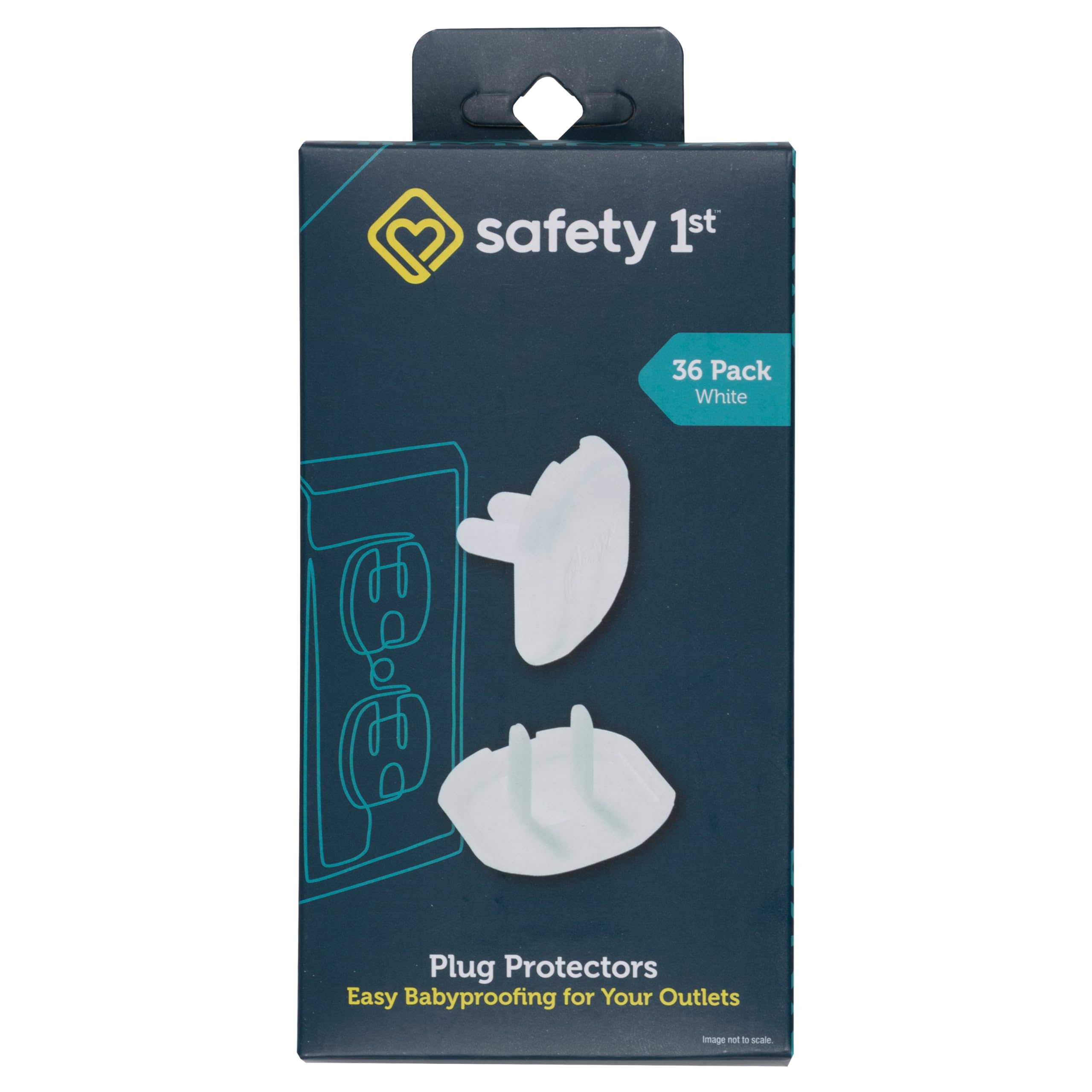
Safety 1st Electrical Outlet Baby Proof Covers, Secure Outlet Plugs, Baby Proofing, 36 Count
Pack Size and Coverage Comparison
The Safety 1st Electrical Outlet Baby Proof Covers come in a 36-count pack, which typically covers the essential outlets in smaller homes, apartments, or specific high-traffic areas like living rooms and nurseries. The simple white design fits standard outlets and provides straightforward protection.
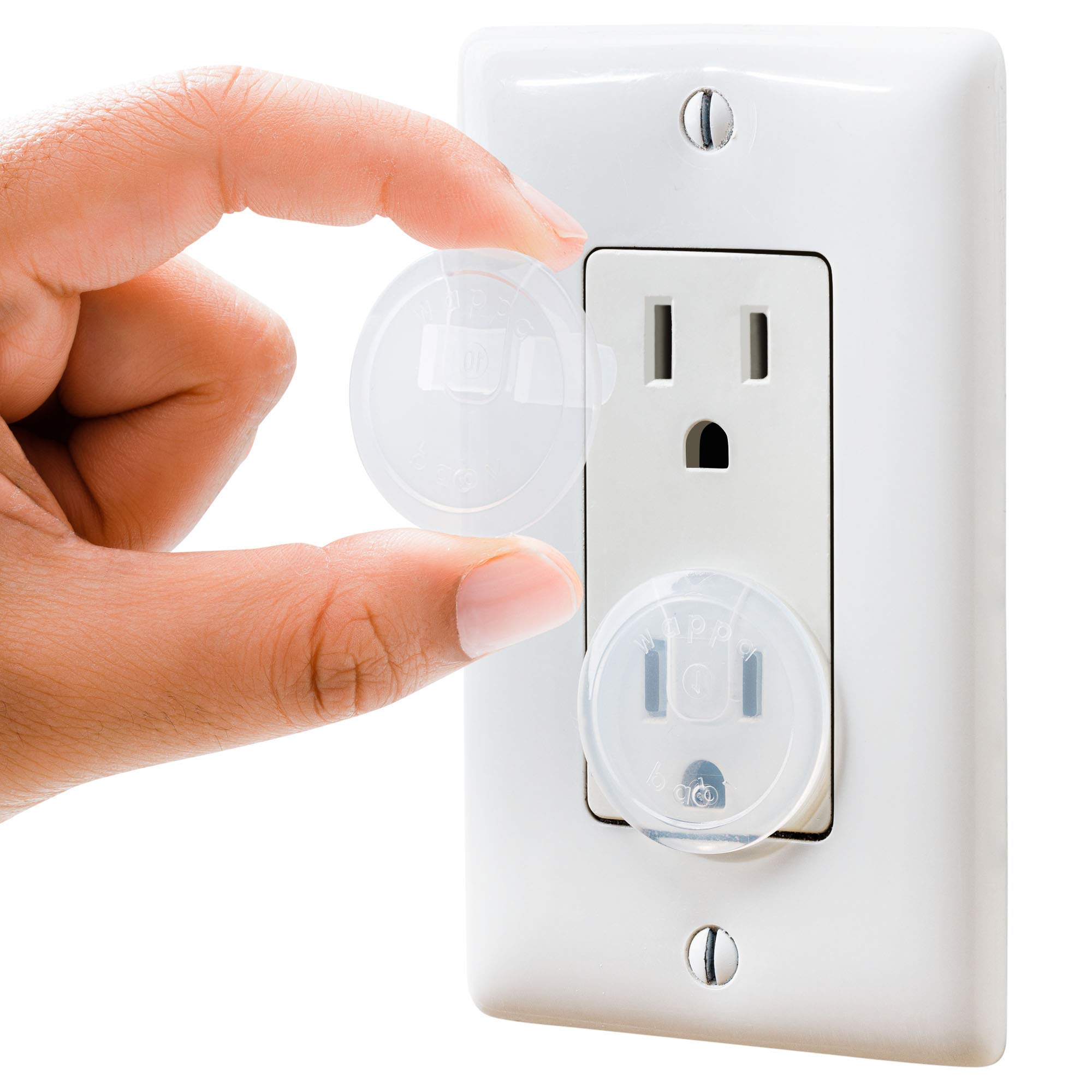
The Clear Outlet Covers Value Pack from Wappa Baby offers 50 covers, giving you 14 additional units. The clear design blends with any outlet color or wall finish, making them less visually noticeable throughout your home.
How to Estimate Your Coverage Needs
- Count accessible outlets in each room where your child will play or crawl
- Include hallways, bathrooms, and bedrooms within toddler reach
- Remember that each duplex outlet requires two covers
- Factor in extras for replacements or future room additions
- Consider daycare centers or multi-level homes that need more coverage
Installation and Design Differences
Both options install in seconds by pressing the covers into unused outlets. The Safety 1st Electrical Outlet Baby Proof Covers are removable and reusable, offering flexibility if you need to access outlets occasionally. Their functional design prioritizes practical protection over aesthetics.
The Clear Outlet Covers Value Pack are specifically designed to resist removal by children while remaining accessible to adults. The transparent construction makes them virtually invisible once installed, maintaining your home's visual appeal.
When Quantity Matters Most
Larger homes, multi-story houses, or spaces like daycare facilities benefit from the extended coverage of a 50-pack. You'll have adequate protection for every accessible outlet plus spares for wear and tear. Smaller apartments or targeted babyproofing in specific rooms may find the 36-pack sufficient without leftover covers.
Balanced Verdict
The choice between these packs centers on your home's size and coverage requirements. The 36-pack offers adequate protection for focused babyproofing efforts, while the 50-pack provides comprehensive coverage for larger spaces or commercial settings. Both deliver reliable outlet protection with easy installation.
Best for Apartments and Smaller Homes
The Safety 1st Electrical Outlet Baby Proof Covers work well when you need essential coverage without excess. The 36-count pack handles most single-level living spaces or targeted room-by-room babyproofing efficiently.
Best for Larger Homes and Multi-Room Coverage
The Clear Outlet Covers Value Pack suits multi-story homes, daycare facilities, or parents who want complete coverage with backup covers. The clear design also appeals to those prioritizing interior aesthetics alongside safety.
Skip These If
Neither option fits if you need outlet covers for non-standard outlet types or prefer sliding plate covers. Homes with primarily covered outlets behind furniture may not require either full pack size.
Related Buying Guides
- Thick vs Thin Playpen Mats: Which Cushion Level Does Your Baby Actually Need?
- Car Seat Protector Features That Actually Matter for Everyday Parenting
- Best Baby Carrier with Hip Seat for Baby Shower Gifts 2026
- SafeRest vs Shunjie.Home Crib Mattress Protector: Which One Should You Buy?
- Winter Dry Skin Season: Cotton vs Muslin No-Scratch Mittens for Newborns Under $15
- Summer Road Trip Cup Holder Fixes Every Family Car Needs