Baby Ear Protection Guide: When and How to Use Infant Noise-Canceling Headphones
Learn when babies need hearing protection, how to choose safe ear muffs, and what features matter most for infants 0-48 months in loud environments.
Why Babies Need Hearing Protection
Babies have more sensitive hearing than adults, and exposure to loud noises at concerts, fireworks, sporting events, or even household tools can cause discomfort or potential hearing damage. Infant ear muffs create a physical barrier that reduces sound levels, helping protect developing ears in environments over 85 decibels.
What Actually Matters
Age range and fit: Look for adjustable headbands that grow with your baby from newborn through toddler stages. A snug but gentle fit prevents slipping without causing pressure.
Noise reduction rating (NRR): Effective baby ear muffs reduce sound by 20-30 decibels. This makes a lawn mower (90 dB) sound like normal conversation (60 dB).
Comfort and weight: Lightweight foam padding and soft materials matter for extended wear. Babies will resist uncomfortable gear, making protection ineffective.
2-in-1 or adjustable design: Models that convert between headband and behind-the-head styles work better as babies grow and develop preferences.
What to Ignore
Ignore marketing claims about "professional grade" or "studio quality" for baby products. What matters is proper fit and reasonable noise reduction, not audiophile specs. Also skip over-complicated adjustment systems—simpler mechanisms work better when you need quick protection.
Practical Example: HOIGRBOM Baby Ear Muffs
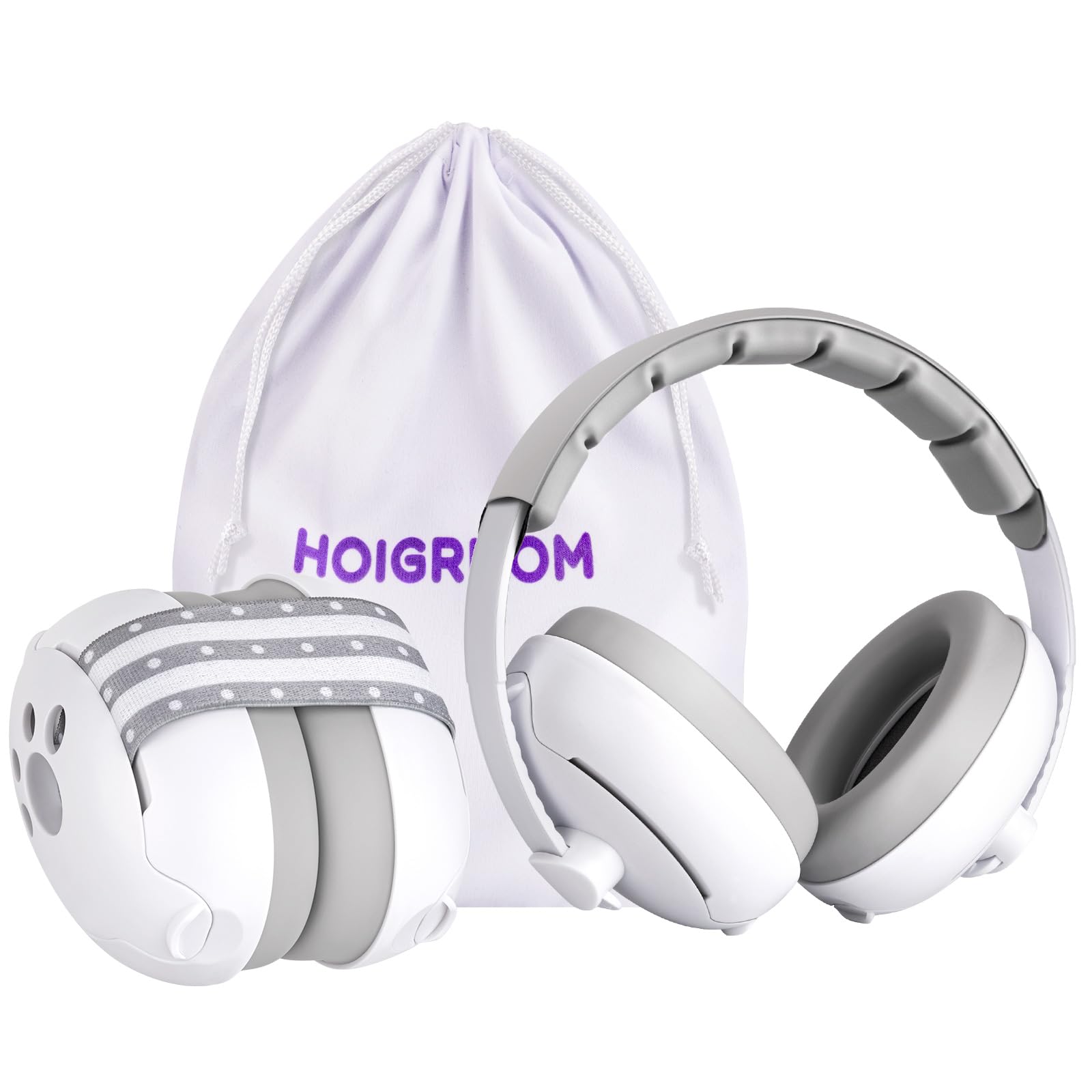
The HOIGRBOM Baby Headphones demonstrate what solid infant hearing protection looks like. Designed for ages 0-48 months, these ear muffs feature a 2-in-1 design that adjusts as your child grows. At the latest price with a 4.6-star rating, they offer practical noise reduction without excessive cost.
The adjustable headband fits newborns through toddlers, and the dual-wearing modes (over-head or behind-head) accommodate different ages and head shapes. Soft padding keeps babies comfortable during longer events like air travel or outdoor festivals.
Who Should Use These
- Parents attending loud events (concerts, fireworks, parades)
- Families living near airports or construction zones
- Anyone using power tools or lawn equipment around infants
- Travelers managing cabin noise on flights
Who Can Skip Them
- Families in consistently quiet environments
- Parents whose babies strongly resist anything on their head
- Those needing medical-grade hearing protection (consult an audiologist instead)
Quick Verdict
Baby ear protection is simple: get adjustable ear muffs that fit your child's age range, ensure they reduce noise by at least 20 decibels, and prioritize comfort over features. Start using them whenever ambient noise exceeds normal conversation volume, and your baby's sensitive ears will thank you.
Related Buying Guides
- Alpine Muffy Baby Ear Protection FAQ: Is It Worth It for Your Infant?
- Baby Won't Sleep Through Loud Noise? Why Infant Ear Protection Helps
- Baby Won't Sleep at Loud Events? Alpine Muffy Baby Earmuffs May Help
- Baby Won't Sleep Through Loud Noise? How Infant Ear Muffs Help
- How to Protect Your Baby's Hearing at Loud Events
- HOIGRBOM Baby Headphones Review: 2-in-1 Noise Protection for Infants 0-48 Months