Why Your Baby's Silicone Feeder Is Hard to Clean (And How to Fix It)
Silicone feeders make introducing solids easier, but those tiny holes can trap food particles and become frustrating to clean. Here's how to troubleshoot common cleaning challenges and keep your baby's feeder hygienic.
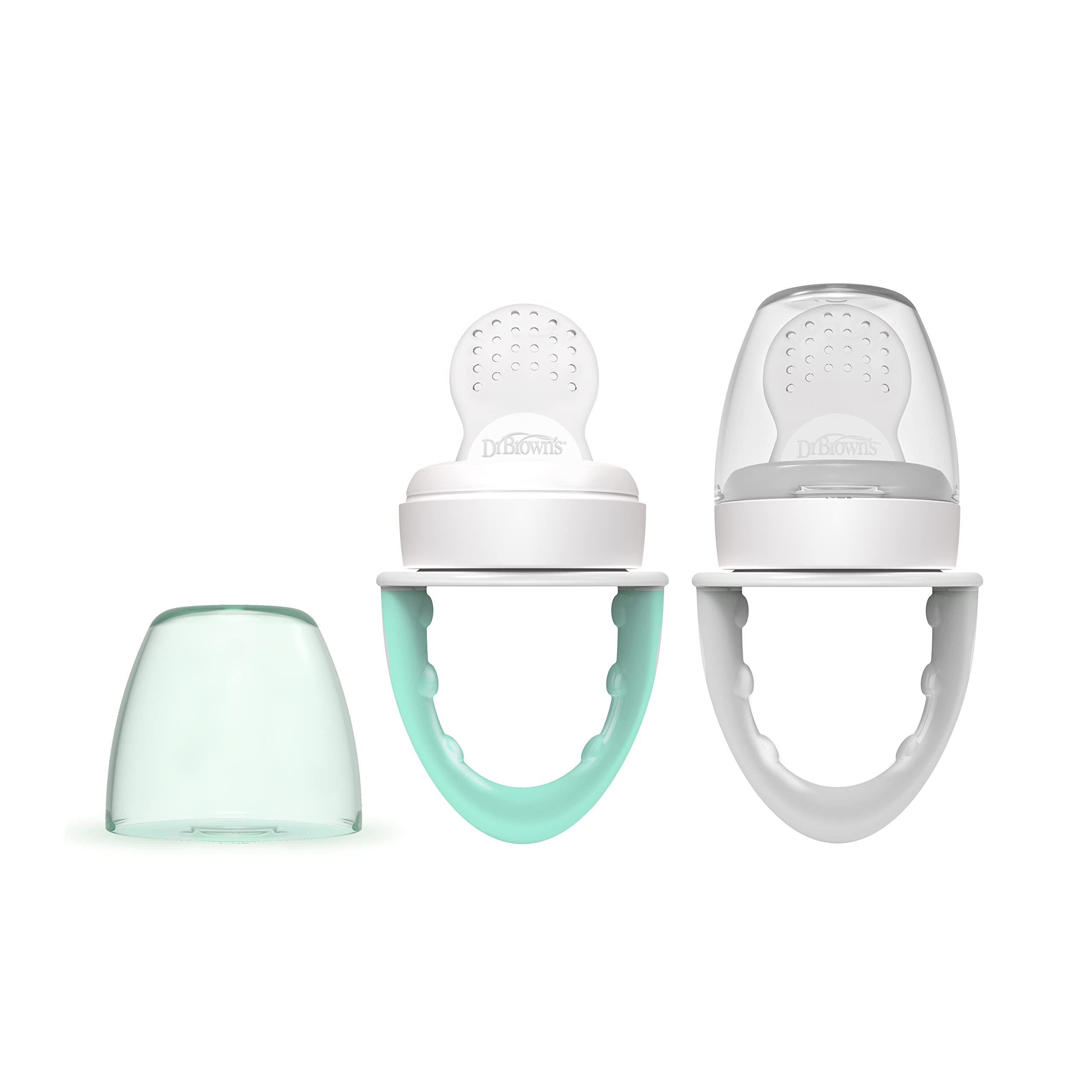
Silicone feeders have become a popular choice for introducing solids because they let babies safely explore new textures. But many parents quickly discover a frustrating problem: food particles get lodged in those tiny holes and refuse to come out, no matter how much scrubbing you do.
Why Food Gets Trapped in Silicone Feeders
The design that makes silicone feeders safe is also what makes them tricky to clean. Those small perforations control how much food passes through, but fibrous foods like mango, banana, or cooked carrots can wedge themselves inside. Unlike mesh feeders that you can easily see through, solid silicone hides debris.
If you notice discoloration, odors, or visible food remnants even after washing, your cleaning method likely needs adjustment.
Effective Cleaning Solutions That Actually Work
Start by rinsing the feeder immediately after each use. Waiting allows food to dry and harden, making removal significantly harder.
Manual Cleaning Method
- Turn the bulb inside-out if possible to access trapped particles
- Use a small bottle brush or clean toothbrush to scrub each hole from both sides
- Soak in warm soapy water for 10-15 minutes to loosen stubborn residue
- Rinse thoroughly under running water while squeezing the bulb repeatedly
- Inspect all holes against light to confirm they're clear
Dishwasher Approach
Many silicone feeders are dishwasher safe on the top rack. Place the feeder with holes facing down so water pressure can push debris out. Run a hot cycle with your regular detergent. This works well for daily maintenance but may not remove everything on its own.
When Staining Happens
Certain foods like berries or sweet potato can stain silicone. This discoloration is usually cosmetic and doesn't affect safety. For stubborn stains, create a paste with baking soda and water, apply it to the affected areas, and let it sit for an hour before scrubbing.
Consider a Mesh-Free Design
The Dr. Brown's Fresh First Silicone Feeder addresses many common cleaning complaints with its durable, bite-resistant construction. The bulb shape is designed for little mouths while the lightweight build lets babies hold it independently. It's dishwasher and sterilizer safe, which simplifies the cleaning routine for parents juggling multiple tasks.
The Verdict
Cleaning challenges with silicone feeders are common but manageable with the right techniques. Immediate rinsing, proper tool selection, and taking advantage of dishwasher-safe designs make maintenance easier. A quality silicone feeder remains a practical option for self-feeding when you establish a consistent cleaning routine.
This Works Best For
Parents who want a reusable feeding tool that can handle both fresh foods and frozen treats for teething relief. The durability means it withstands biting and repeated washing cycles.
Skip This If
You prefer completely transparent feeding tools where you can immediately see all trapped food. Mesh feeders offer that visibility, though they come with their own maintenance requirements and durability concerns.
Related Buying Guides
- Thick vs Thin Playpen Mats: Which Cushion Level Does Your Baby Actually Need?
- Car Seat Protector Features That Actually Matter for Everyday Parenting
- Best Baby Carrier with Hip Seat for Baby Shower Gifts 2026
- SafeRest vs Shunjie.Home Crib Mattress Protector: Which One Should You Buy?
- Winter Dry Skin Season: Cotton vs Muslin No-Scratch Mittens for Newborns Under $15
- Summer Road Trip Cup Holder Fixes Every Family Car Needs