Best Non-WiFi Baby Monitors for Privacy-Conscious Parents in 2026
Compare the top non-WiFi baby monitors with long battery life, night vision, and secure encrypted signals. No internet, no hacking risks—just reliable monitoring.
Why Choose a Non-WiFi Baby Monitor?
For parents prioritizing privacy and simplicity, non-WiFi baby monitors eliminate internet dependency, cloud storage risks, and potential hacking vulnerabilities. These devices use encrypted direct transmission between camera and parent unit, offering reliable monitoring without network configuration or streaming delays. We evaluated three leading models based on screen size, battery life, range, and core monitoring features.
Top Non-WiFi Baby Monitors Compared
| Model | Screen Size | Battery Life | Pan/Tilt | Rating | Price |
|---|---|---|---|---|---|
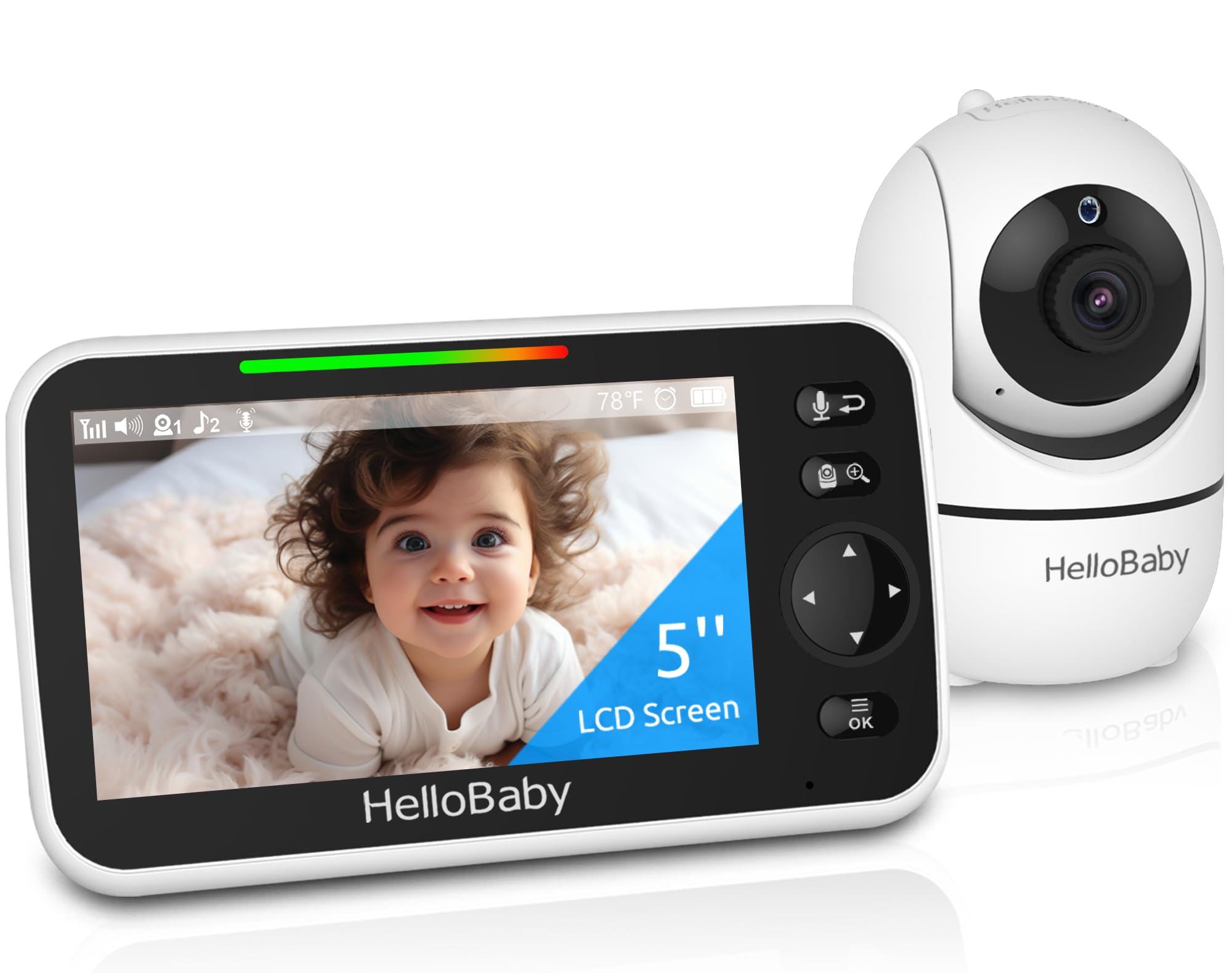
| HelloBaby HB6550 | 5 inch | 30 hours | 355° / 120° | 4.5/5 | $63.17 |
| VTech VM819 | 2.8 inch | 19 hours | Fixed | 4.6/5 | Check price |
| HelloBaby HB6560 | 6 inch IPS | 16–30 hours | 355° / 120° | 4.4/5 | $56.98 |
HelloBaby HB6550: Best Overall Value
The HelloBaby HB6550 balances screen size, battery longevity, and remote camera control at a competitive price. Its 5-inch display provides ample viewing area without excessive bulk, while the 30-hour battery life supports overnight monitoring without frequent recharging. The 355° horizontal and 120° vertical pan-tilt range offers comprehensive nursery coverage, and the noiseless motor avoids disturbing light sleepers. Invisible infrared night vision eliminates disruptive red glow, and two-way audio enables reassurance without entering the room. This model suits parents who need flexible camera positioning and extended battery performance.
VTech VM819: Highest User Rating
With a 4.6-star rating, the VTech VM819 excels in reliability and ease of use. It pairs automatically out of the box using 2.4GHz FHSS encryption, requiring no technical setup. The 2.8-inch screen is compact but delivers real-time video with no streaming lag, and the 2,600mAh battery provides up to 19 hours of use. While it lacks pan-tilt functionality, its fixed-angle camera works well for smaller nurseries or cribs positioned within direct line of sight. Sound-activated screen and temperature monitoring add practical value. Best for parents prioritizing simplicity and proven performance over advanced camera control.
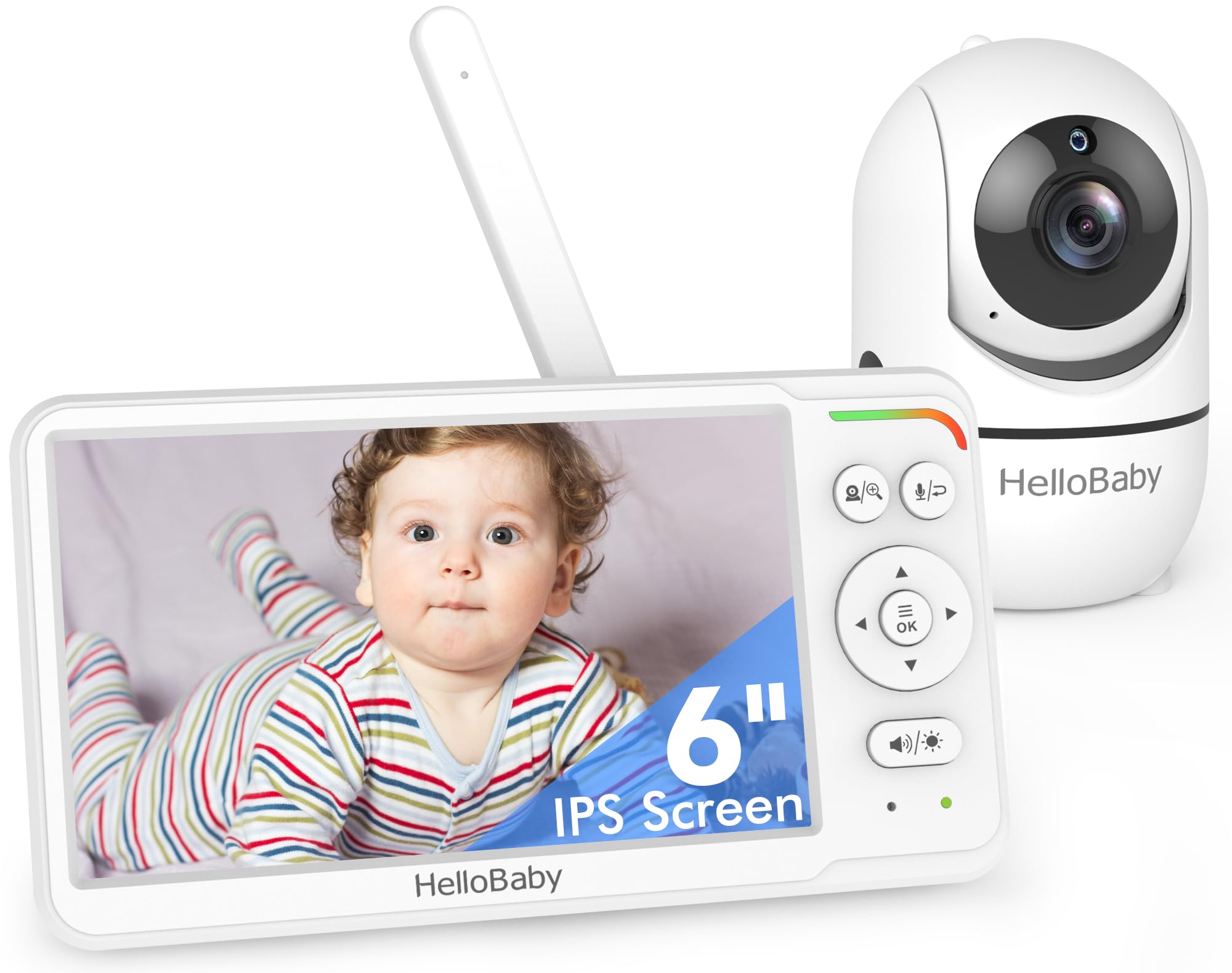
HelloBaby HB6560: Largest Display Option
The HelloBaby HB6560 features a 6-inch IPS screen designed to reduce eye strain during extended viewing. The IPS panel maintains color accuracy and clarity from wider angles compared to standard LCD displays. Battery life ranges from 16 to 30 hours depending on screen brightness and VOX mode usage. Like the HB6550, it includes full pan-tilt control and wide-angle lens coverage. At $56.98, it offers the most screen real estate per dollar, appealing to grandparents or users who prefer larger text and visuals. The tradeoff is slightly bulkier portability compared to smaller monitors.
Key Considerations
All three monitors use encrypted 2.4GHz transmission with 1,000-foot range and avoid internet connectivity entirely. Battery claims assume power-saving features like VOX (voice-activated display) are enabled. Pan-tilt motors introduce minimal noise but may not suit extremely light sleepers in very quiet environments. Fixed-camera models like the VTech require careful initial placement. For multi-room coverage, additional cameras are typically sold separately and supported by most non-WiFi systems.
Who Should Buy Which Monitor
- HelloBaby HB6550: Parents needing remote camera adjustment and balanced screen size at moderate cost
- VTech VM819: Users who prioritize setup simplicity, proven reliability, and compact portability
- HelloBaby HB6560: Grandparents or anyone preferring maximum screen size and viewing comfort
Who Should Skip These
If you require smartphone integration, cloud recording, or remote viewing outside the home, WiFi-enabled monitors are necessary. Parents wanting split-screen multi-camera views should verify model compatibility, as not all non-WiFi monitors support this feature natively.