Carbon Fiber vs Standard Frame: Which Travel Stroller Material Is Worth It?
Travel stroller frames come in different materials, each affecting weight, durability, and performance. We compare a carbon fiber model against a standard fabric-frame option to help you decide which construction suits your family's travel needs.
Frame Material Makes the Difference
When choosing a travel stroller, most parents focus on folding mechanisms and canopy size. But the frame material quietly determines how the stroller performs across hundreds of airport walks and city strolls. Carbon fiber frames promise ultra-light portability, while standard construction keeps costs down. Here's how they actually compare in real travel scenarios.
Carbon Fiber Construction: Mompush Nexis
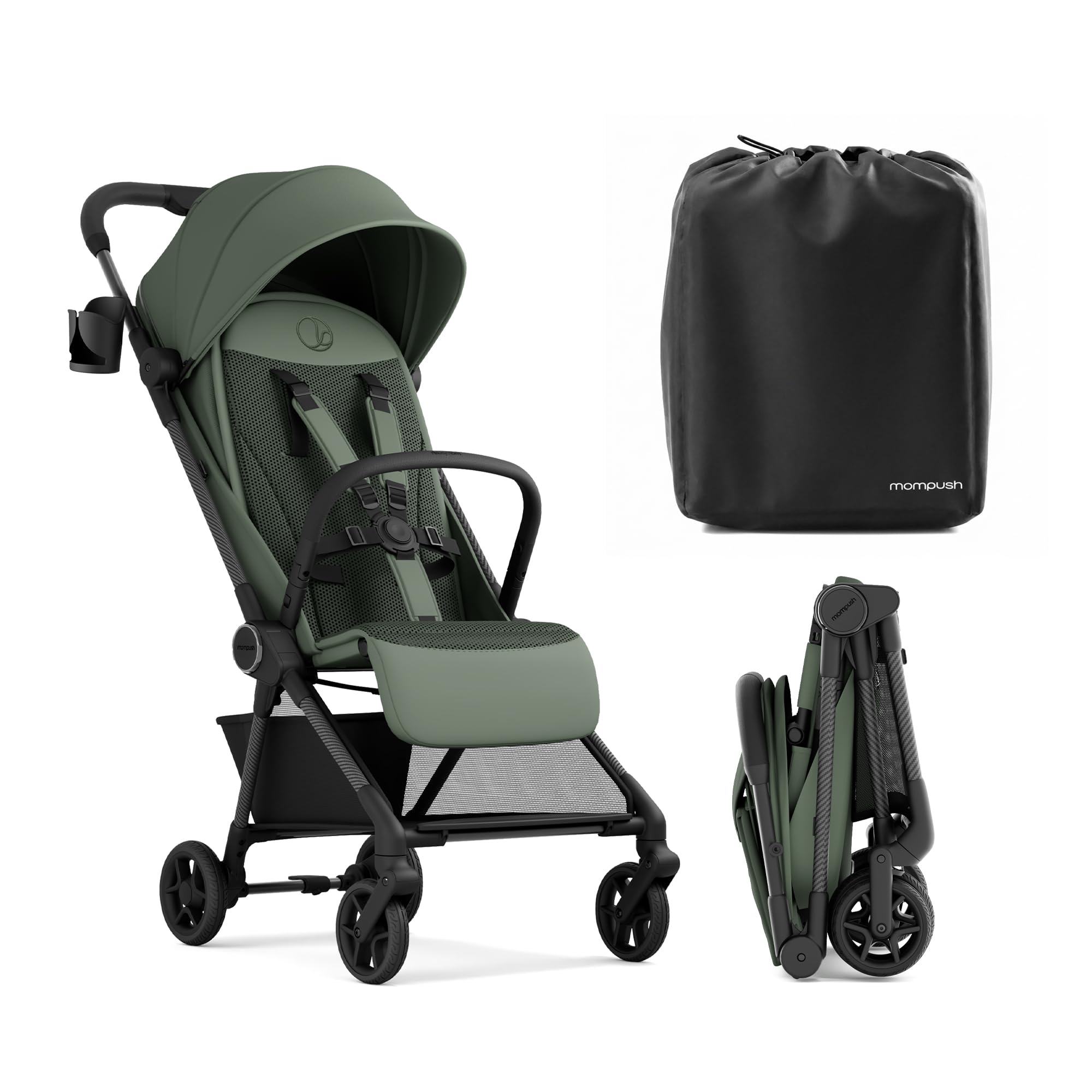
The Mompush Nexis Carbon Fiber Lightweight Travel Stroller weighs 11.5 pounds thanks to its high-modulus carbon fiber frame. This material delivers exceptional strength-to-weight ratio, letting you lift the stroller overhead or carry it upstairs without strain. The frame's rigidity translates to better handling—the wheels track straight on uneven pavement, and the full suspension system smooths out bumps that would rattle a lighter-duty frame.
The engineering shows in the details. Auto-fold happens with one hand, and the stroller stands on its own when collapsed. The seat reclines nearly flat at 170 degrees using a mechanical system instead of webbing straps, giving you precise angle control. An XL canopy with 50+ UV protection and breathable 3D mesh lining keep your child comfortable during long outings. The included rain cover, adjustable footrest, and newborn foot barrier extend usability from infancy forward.
Check Latest PriceStandard Frame Build: KOOLABABY Travel Stroller
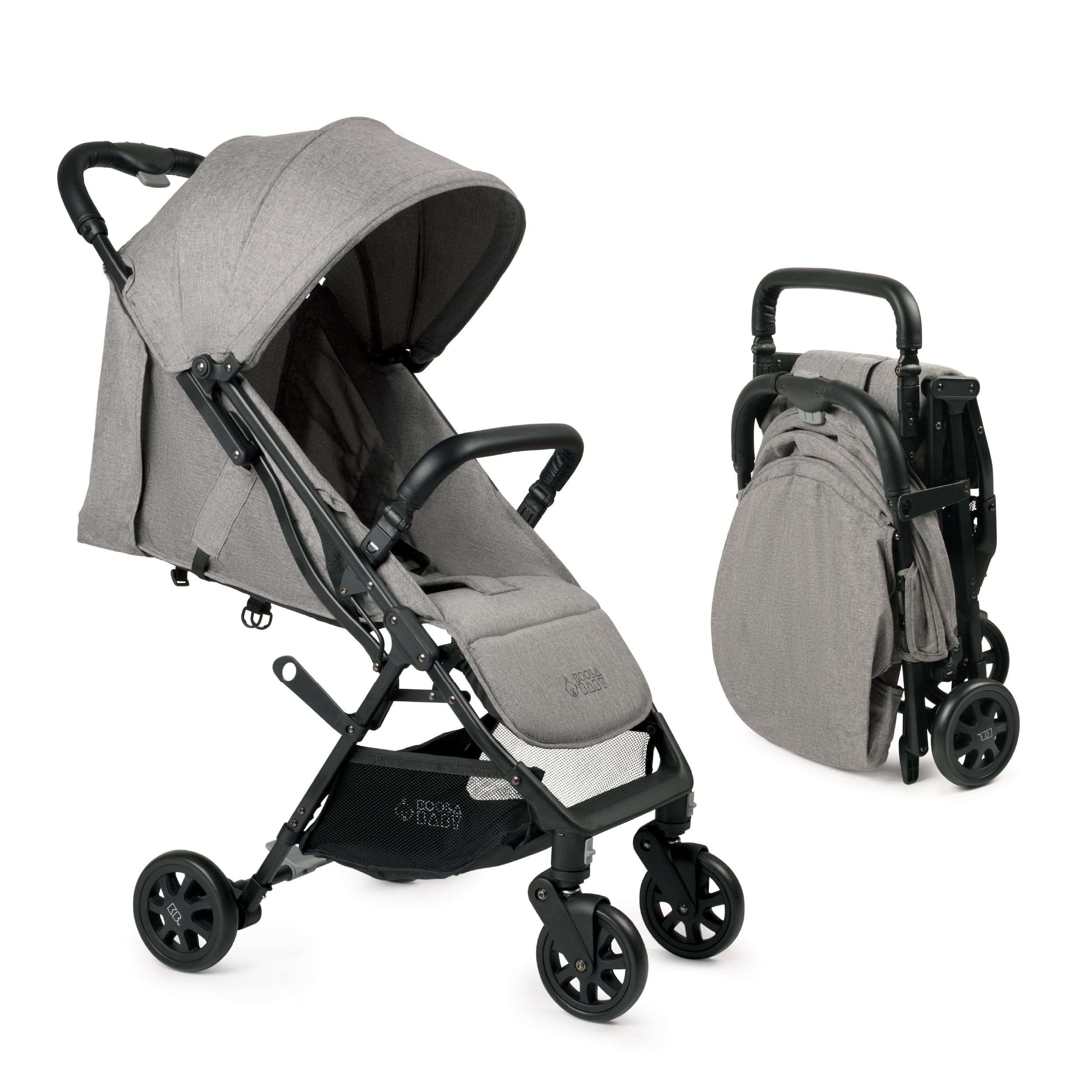
The Lightweight Travel Stroller for Baby & Toddlers from KOOLABABY uses traditional fabric and metal construction. While exact weight isn't specified, standard-frame strollers in this category typically weigh more than carbon fiber alternatives but cost considerably less. This model still folds with one hand and fits in overhead compartments, meeting basic travel requirements.
The fabric frame approach keeps the design straightforward. Multiple recline positions let you adjust the seat angle, and an extendable sun canopy provides shade during outdoor walks. A convenient carry handle and storage basket add practical touches. The compact fold tucks into car trunks and small storage spaces, making it functional for families who prioritize budget-friendly options over premium materials.
Check Latest PriceKey Differences at a Glance
| Feature | Carbon Fiber Frame | Standard Frame |
|---|---|---|
| Weight | 11.5 lbs | Heavier (typical range) |
| Frame rigidity | High-modulus carbon fiber | Standard metal/fabric |
| Recline mechanism | Mechanical, 90° to 170° | Multiple positions |
| Suspension | Full suspension system | Basic wheels |
| Included accessories | Rain cover, shoulder strap, cup holder | Carry handle, storage basket |
Verdict: Match Material to Your Travel Style
Carbon fiber construction costs more but delivers measurable benefits for frequent travelers. The lighter weight reduces fatigue during long airport connections, and the rigid frame handles better on varied terrain. If you fly regularly or walk several miles daily, the engineering investment pays off in comfort and durability.
Standard frame strollers work well for occasional travel and neighborhood use. They meet basic portability requirements without the premium price tag. Families who drive more than fly, or who need a backup stroller, will find them perfectly adequate.
Choose Carbon Fiber If You:
- Travel by plane multiple times per year
- Navigate stairs, public transit, or uneven sidewalks regularly
- Value precise handling and smooth ride quality
- Want a stroller that grows with your child from newborn through toddler years
Choose Standard Frame If You:
- Need a budget-friendly travel option
- Primarily drive and use the stroller for short outings
- Want basic portability without advanced features
- Already own a primary stroller and need a secondary option
Both strollers fold compactly and meet airline carry-on requirements. The question comes down to how much the weight difference and build quality matter for your specific travel patterns and budget.
Related Buying Guides
- Thick vs Thin Playpen Mats: Which Cushion Level Does Your Baby Actually Need?
- Car Seat Protector Features That Actually Matter for Everyday Parenting
- Best Baby Carrier with Hip Seat for Baby Shower Gifts 2026
- SafeRest vs Shunjie.Home Crib Mattress Protector: Which One Should You Buy?
- Winter Dry Skin Season: Cotton vs Muslin No-Scratch Mittens for Newborns Under $15
- Summer Road Trip Cup Holder Fixes Every Family Car Needs