How to Carry Your Baby Hands-Free with an Ergonomic Hip Seat Carrier
Learn how to use an ergonomic hip seat carrier to keep your baby close while freeing your hands. Step-by-step guide with storage tips and what to check before...
How to Carry Your Baby Hands-Free with an Ergonomic Hip Seat Carrier
Carrying a baby while managing daily tasks can feel like juggling—until you discover the right carrier. An ergonomic hip seat carrier keeps your little one secure and comfortable while freeing both hands for groceries, errands, or playing with older siblings.
Step 1: Choose a Carrier That Grows with Your Baby
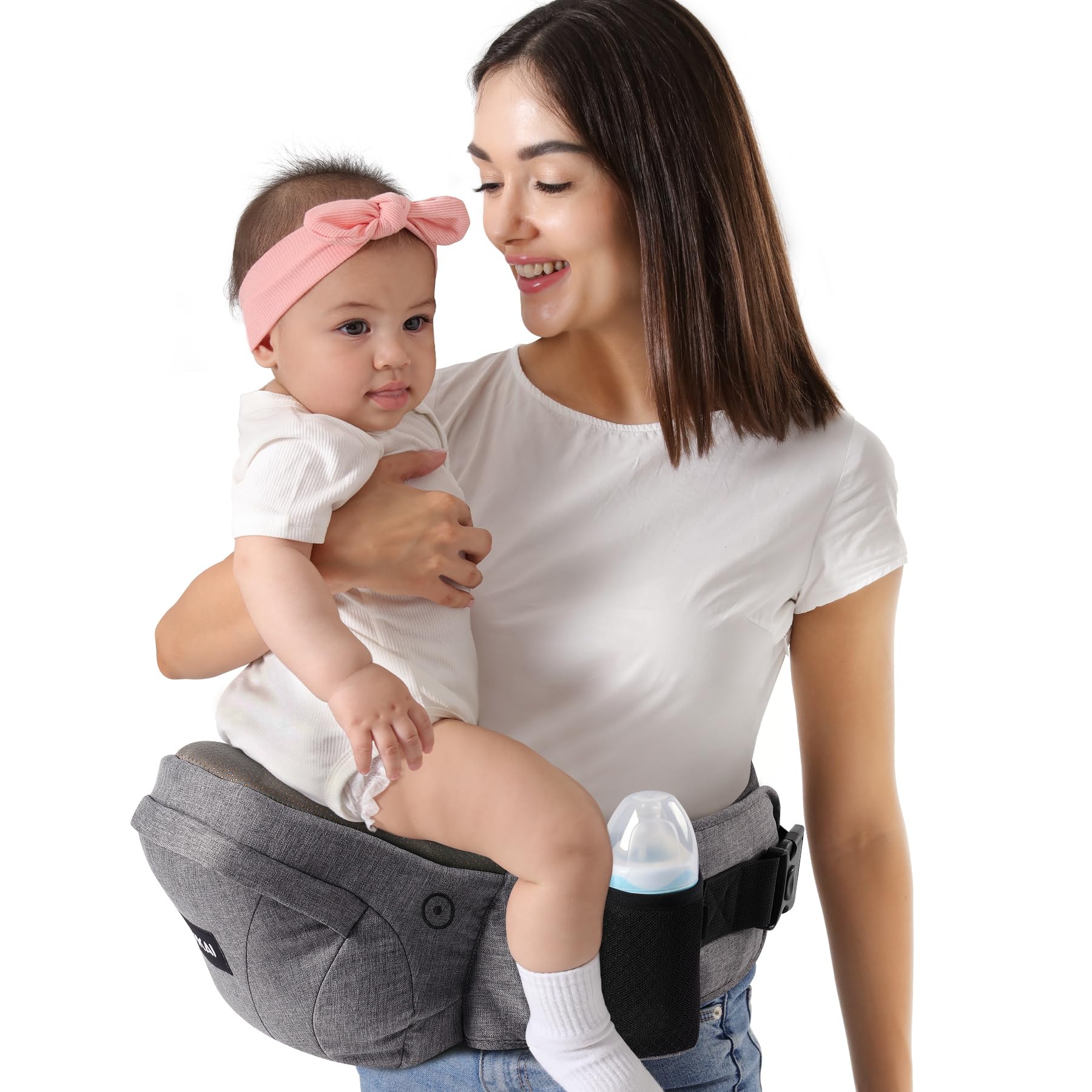
Look for a hip seat carrier that supports newborns through toddlers. The HKAI Baby Hip Carrier works from birth to 36 months (up to 44 lbs), offering three carry positions: facing in for newborns, facing out once baby has head control, and side carry for toddlers who want to see the world.
Step 2: Adjust the Waistband for Your Body
A proper fit prevents back strain. Fasten the padded waistband snugly around your hips—not your waist—so the hip seat sits at a natural angle. The HKAI model features an adjustable waistband and a 30° angled, non-slip seat surface that distributes weight evenly and keeps baby from sliding.
Step 3: Position Your Baby Safely
For newborns, use the facing-in position with full head and neck support. Once baby can hold their head up (usually around 4-6 months), try facing out for short periods. Always ensure baby's legs are in an "M" position with knees higher than hips—this supports healthy hip development.
Step 4: Use the Storage Pockets
Parent life means carrying diapers, wipes, bottles, and your own essentials. This carrier includes five pockets: a bottle holder, zippered side pocket for keys and phone, and a roomy front pocket for bulkier items. No separate diaper bag needed for quick outings.
What to Check Before Buying
- Weight range: Confirm the carrier supports your baby's current and future weight (this one goes up to 44 lbs)
- Breathability: Look for mesh panels to prevent overheating during warm weather
- Washing: Check if fabric components are machine washable
- Certifications: Verify it meets safety standards for baby carriers
- Return policy: Ensure you can return it if the fit isn't right
Who This Works Best For
Hip seat carriers excel for parents who need quick on-and-off access—think grocery runs, toddler drop-offs, or soothing a fussy baby while cooking. They're ideal if you have back issues, since the hip seat transfers weight to your pelvis instead of your shoulders.
Related Buying Guides
- Cup Holder Upgrades for Parents Who Live in Their Car
- Best Baby Feeder for Mess-Free Self-Feeding Practice
- Baby Silicone Placemat Not Staying Put? How to Fix the 5 Most Common Mealtime Mat Problems
- How to Pick a Nursing Cover That Keeps Eye Contact With Your Baby
- Giraffe Baby Laundry Basket Review: Cute Meets Functional in the Nursery
- Need a Replacement Swaddle? Why the Love to Dream Swaddle UP Is the One to Reorder