How to Clean and Maintain Your Baby Bath Rinse Cup for Long-Lasting Use
A baby bath rinse cup makes shampooing easier, but proper maintenance keeps it clean and ready for every bath. Here's how to care for your silicone rinser.
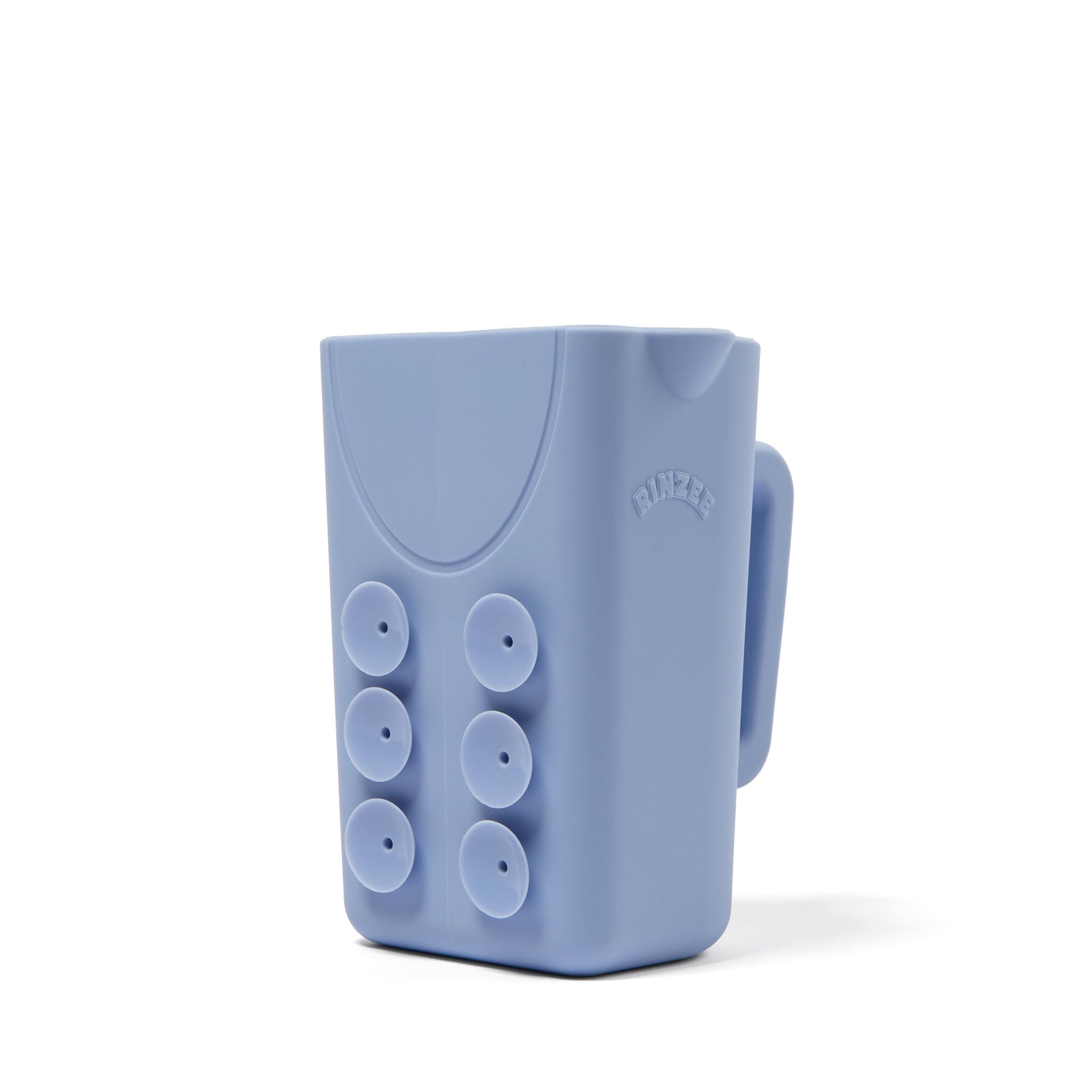
A dedicated rinse cup transforms bath time from a splashy struggle into a smooth routine. The Rinzee® Baby Bath Rinse Cup with Suctions combines soft silicone construction with clever storage features, but like any bath tool, it needs regular care to stay hygienic and functional.
Daily Rinse and Drain Routine
After each bath, rinse the cup thoroughly under warm running water to remove shampoo residue and soap buildup. The Rinzee® Baby Bath Rinse Cup with Suctions is designed to drain when stored upside down, which prevents standing water from collecting inside.
Attach the cup to your bathroom tiles using the built-in suction cups, positioning it upside down so gravity pulls any remaining moisture out naturally. This simple habit between baths dramatically reduces the chance of mold or mildew developing in hidden crevices.
Weekly Deep Cleaning Steps
Once a week, give your rinse cup a more thorough cleaning to maintain its BPA-free, food-grade silicone material:
- Fill a basin with warm water and add a few drops of gentle dish soap
- Submerge the cup and gently scrub all surfaces, paying attention to the suction cups
- Use a soft brush or cloth to reach into corners where residue might hide
- Rinse completely under running water until no soap remains
- Shake off excess water and store upside down on the wall to air dry
Maintaining Suction Power
The suction cups keep your tub area organized by sticking the cup to smooth bathroom tiles. To maintain their grip, wipe the suction surfaces with a damp cloth weekly to remove any soap film or mineral deposits. Clean the tile surface where you attach the cup as well—a clean connection point ensures the cup stays securely in place.
If suction weakens over time, check for trapped air bubbles when pressing the cup against the wall. Press firmly from the center outward to create a proper seal.
When to Replace Your Rinse Cup
Inspect the silicone regularly for tears, cracks, or permanent discoloration. While the soft, flexible material is durable, any damage compromises both function and hygiene. If the suction cups no longer hold despite cleaning, or if you notice persistent odors that don't wash away, it's time for a replacement.
Who This Maintenance Routine Suits
Parents who want a quick, effective cleaning routine that fits into busy schedules will appreciate this straightforward approach. The upside-down drainage feature makes daily maintenance nearly automatic.
Who Should Consider Alternatives
If you prefer dishwasher cleaning for all bath accessories, verify that your specific rinse cup is dishwasher-safe before placing it in the machine. Some silicone products may require hand washing only.
Final Verdict
Regular maintenance keeps a baby bath rinse cup hygienic, functional, and ready for every shampoo session. The Rinzee® Baby Bath Rinse Cup with Suctions makes this process easier with its drain-when-inverted design and wall-mounting capability, turning post-bath cleanup into a simple rinse-and-stick routine.
Related Buying Guides
- Thick vs Thin Playpen Mats: Which Cushion Level Does Your Baby Actually Need?
- Car Seat Protector Features That Actually Matter for Everyday Parenting
- Best Baby Carrier with Hip Seat for Baby Shower Gifts 2026
- SafeRest vs Shunjie.Home Crib Mattress Protector: Which One Should You Buy?
- Winter Dry Skin Season: Cotton vs Muslin No-Scratch Mittens for Newborns Under $15
- Summer Road Trip Cup Holder Fixes Every Family Car Needs