How to Freeze Baby Food: A Simple Guide for Beginners
Learn how to freeze homemade baby food safely and efficiently. Discover the best storage methods, portion sizes, and what to look for in a baby food freezer tray.
Getting Started with Freezing Baby Food
Making your own baby food at home gives you control over ingredients and saves money compared to store-bought jars. Freezing purées in individual portions lets you prep meals in advance without worrying about spoilage. If you're new to this, the process is simpler than you might think.
What Actually Matters
Focus on these essentials when choosing a freezer tray:
- Material safety: Food-grade silicone is flexible, non-toxic, and doesn't leach chemicals. It's also naturally non-stick, so frozen cubes pop out easily without prying or running under hot water.
- Portion control: Look for trays that create small, uniform cubes (usually 1-2 ounces). This matches typical serving sizes for babies starting solids and reduces waste.
- Tight-fitting lids: Covers prevent freezer burn and keep odors from other foods out of your baby's meals.
- Easy cleaning: Silicone that's dishwasher-safe or boil-proof saves time and ensures thorough sanitization.
What You Can Ignore
Don't overthink these details:
- Fancy compartment shapes — simple cubes work just as well as stars or hearts
- Extra-large capacity trays — standard sizes are easier to store and stack
- Brand hype — focus on material quality and user reviews instead
A Practical Example
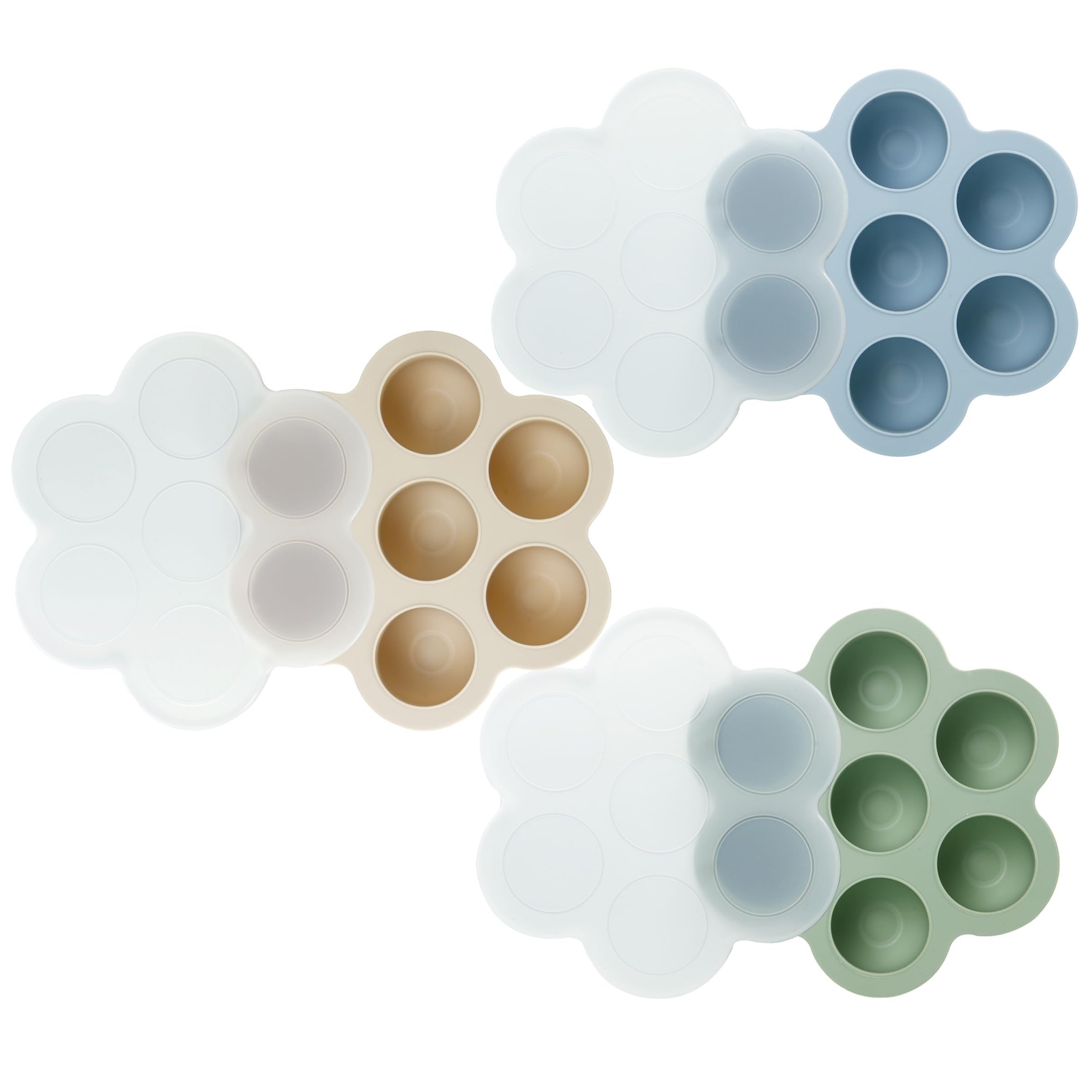
The PandaEar 3 Pack Baby Food Freezer Tray shows what to look for in a starter set. It includes three trays made from food-grade silicone with snap-on lids, so you can prep multiple batches at once. The flexible material makes it easy to release frozen cubes without cracking or breaking them. Each tray holds multiple portions, and the silicone is boil-proof for sterilizing between uses. At the latest price for three trays, it's an affordable way to get started without buying single-use plastic bags or expensive glass containers.
This setup works whether you're freezing puréed vegetables, blended fruits, or even breast milk. Once frozen, you can pop the cubes into labeled freezer bags to free up the trays for your next batch.
Who This Works For
This approach is ideal if you want to meal prep on weekends, avoid preservatives in commercial baby food, or save money over time. It's especially useful for parents introducing solids who need small, controlled portions.
Who Should Skip This
If you prefer buying ready-made pouches or don't have freezer space, batch freezing may not fit your routine. Some families also prefer fresh prep for each meal.
Related Buying Guides
- Best Spill Proof Snack Cups for Toddlers: Daximo 2-Pack Review
- What Are Silicone Baby Food Freezer Trays and Why Parents Need Them
- PandaEar Silicone Baby Food Freezer Trays Review: 3-Pack Storage Solution for Homemade Purees
- Best Alternative to Plastic Baby Food Storage: Silicone Freezer Trays for Homemade Purees
- How to Store Homemade Baby Food Safely Using Silicone Freezer Trays
- How to Choose the Best Spill Proof Snack Cup for Toddlers in 2026