How to Keep Your Baby Thermometer Clean and Accurate: Essential Maintenance Tips
A well-maintained thermometer delivers reliable readings when your child needs them most. Follow these simple cleaning and care practices to keep your device hygienic and accurate for years.
Your baby thermometer is only as reliable as the care you give it. Proper maintenance ensures accurate readings during those stressful moments when your child feels warm, and hygiene practices protect your family from cross-contamination. This guide walks through essential cleaning, storage, and upkeep routines that take just minutes but make a significant difference.
Daily Cleaning After Each Use
Non-contact forehead thermometers like the Thermometer for Adults and Kids, Fast Accurate Baby Thermometer, Fever Alarm & Mute Mode, Baby Essentials - Lifetime Support require minimal cleaning, but consistency matters. After each temperature check, wipe the sensor area with a soft, dry cloth to remove any dust or residue that could interfere with infrared readings.
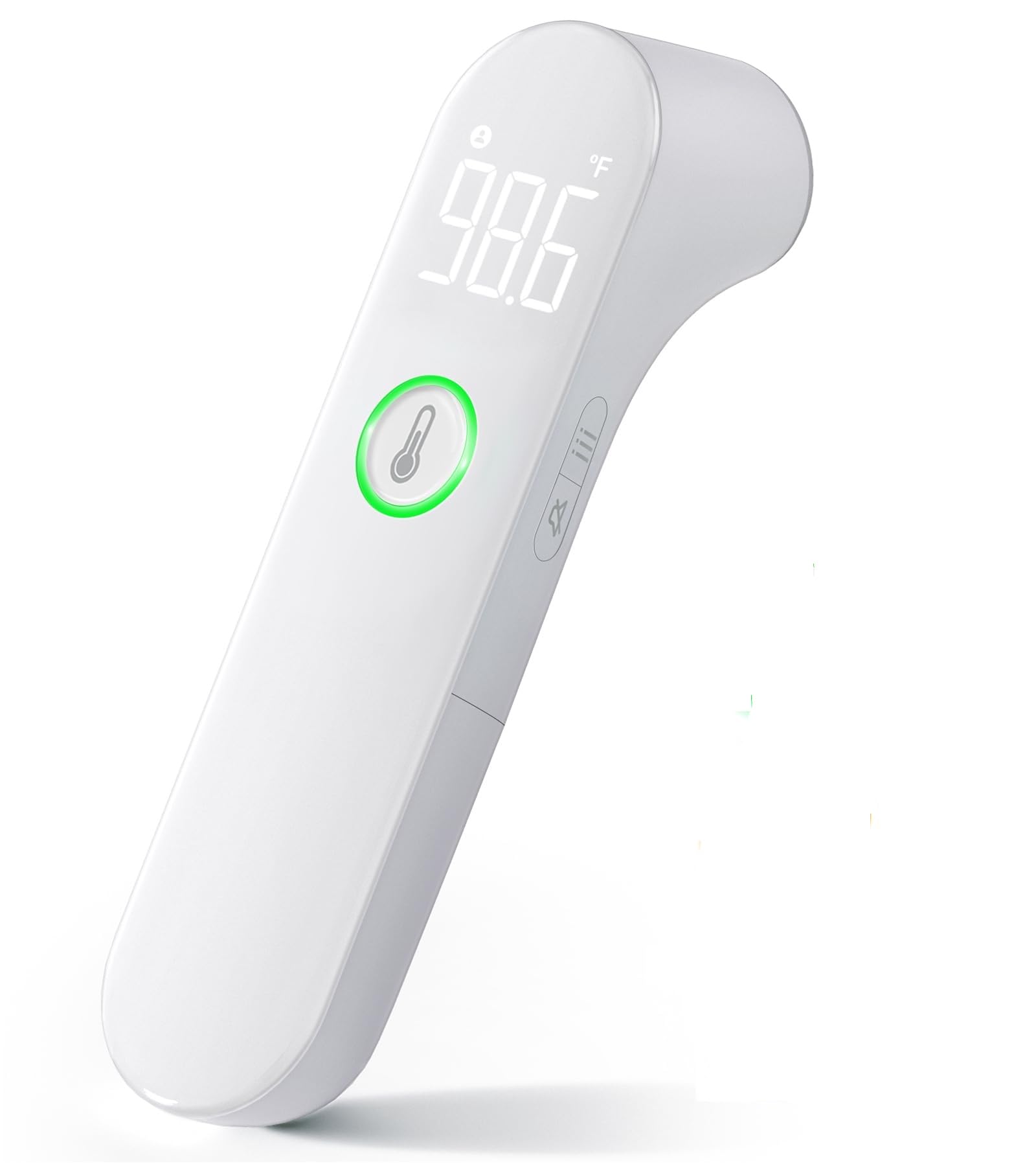
For deeper cleaning once weekly, dampen a cotton swab with 70% isopropyl alcohol and gently clean the sensor lens. Allow it to air dry completely before taking the next reading. Never submerge the device or use harsh chemicals that could damage electronic components.
Storage Best Practices
Temperature and humidity affect thermometer performance. Store your device in a cool, dry location away from direct sunlight, ideally between 50°F and 104°F. The compact design of the Thermometer for Adults and Kids, Fast Accurate Baby Thermometer, Fever Alarm & Mute Mode, Baby Essentials - Lifetime Support makes it easy to keep in a medicine cabinet or nightstand drawer.
Keep the device in its original case or a protective pouch to prevent scratches on the LED display. Avoid storing near radiators, air vents, or bathrooms where moisture accumulates.
Battery Maintenance and Replacement
Most infrared thermometers use standard batteries that last months with regular household use. When the low battery indicator appears, replace batteries promptly to maintain accuracy. The 30-second auto shut-off function on quality models helps extend battery life between changes.
Accuracy Checks and Calibration
While home thermometers rarely need recalibration, periodic accuracy verification gives you confidence. Compare readings against another recently calibrated thermometer when everyone in the household is healthy and at normal body temperature. Consistent discrepancies beyond 0.5°F may indicate sensor drift.
Maintenance Checklist
| Task | Frequency |
|---|---|
| Wipe sensor with dry cloth | After each use |
| Clean sensor with alcohol swab | Weekly |
| Check battery level | Monthly |
| Verify accuracy against reference | Every 3 months |
Common Maintenance Mistakes to Avoid
Never spray cleaning solution directly onto the thermometer. Liquid can seep into electronic components and cause permanent damage. Skip window cleaners, bleach, or abrasive materials that scratch lens coatings and reduce accuracy.
Avoid dropping the device or exposing it to extreme temperature changes. Moving from a cold car directly into a warm house can cause condensation inside the sensor housing. Let the thermometer acclimate to room temperature for 30 minutes before use.
The Verdict
Thermometer maintenance requires minimal effort but delivers maximum reliability. Simple daily wipes and weekly alcohol cleaning keep sensors functioning properly, while proper storage protects your investment. The Thermometer for Adults and Kids, Fast Accurate Baby Thermometer, Fever Alarm & Mute Mode, Baby Essentials - Lifetime Support combines durability with features like 35 memory readings and color-coded temperature guidance, making it worth maintaining carefully.
Who This Maintenance Routine Suits
These practices work for any parent using infrared forehead thermometers regularly. Families with multiple children, those monitoring chronic conditions, or anyone wanting consistent accuracy will benefit from establishing these habits.
Who Can Skip Intensive Maintenance
If you only use your thermometer occasionally during rare illnesses, basic wiping after each use may suffice. However, everyone should clean sensors weekly during active use periods and store devices properly.
Related Buying Guides
- Best Baby Feeder for Mess-Free Self-Feeding Practice
- Baby Silicone Placemat Not Staying Put? How to Fix the 5 Most Common Mealtime Mat Problems
- How to Pick a Nursing Cover That Keeps Eye Contact With Your Baby
- Giraffe Baby Laundry Basket Review: Cute Meets Functional in the Nursery
- Need a Replacement Swaddle? Why the Love to Dream Swaddle UP Is the One to Reorder
- Baby Brezza Universal Detergent Soap Tablets Features Explained: What Makes Them the Best Baby Detergent for Bottle Washers