How to Keep Breast Milk Cold All Day: A Beginner's Guide to Vacuum Coolers
Discover how vacuum cooler technology and ice ring systems maintain safe breast milk temperatures for an entire workday and beyond, with practical tips for everyday use.
Understanding Vacuum-Insulated Breast Milk Storage
When you're pumping at work or on the go, keeping breast milk at a safe temperature is non-negotiable. While traditional cooler bags rely on basic insulation, vacuum-insulated systems create an airless barrier that dramatically extends cooling time. The key is maintaining temperatures below 40°F to preserve nutrients and prevent bacterial growth during your entire shift.
Vacuum technology works by eliminating the air between double walls, blocking heat transfer that would normally warm your stored milk. Combined with reusable ice rings, these systems can maintain safe temperatures for over 24 hours without needing a refrigerator.
Why Ice Ring Systems Outperform Traditional Ice Packs
Ice rings freeze solid and surround your bottles in 360-degree cooling rather than just sitting beneath them. The Portable Breast Milk Cooler uses four detachable ice rings that rapidly chill milk to 40°F after pumping, locking in active nutrients before temperature fluctuations can degrade them.
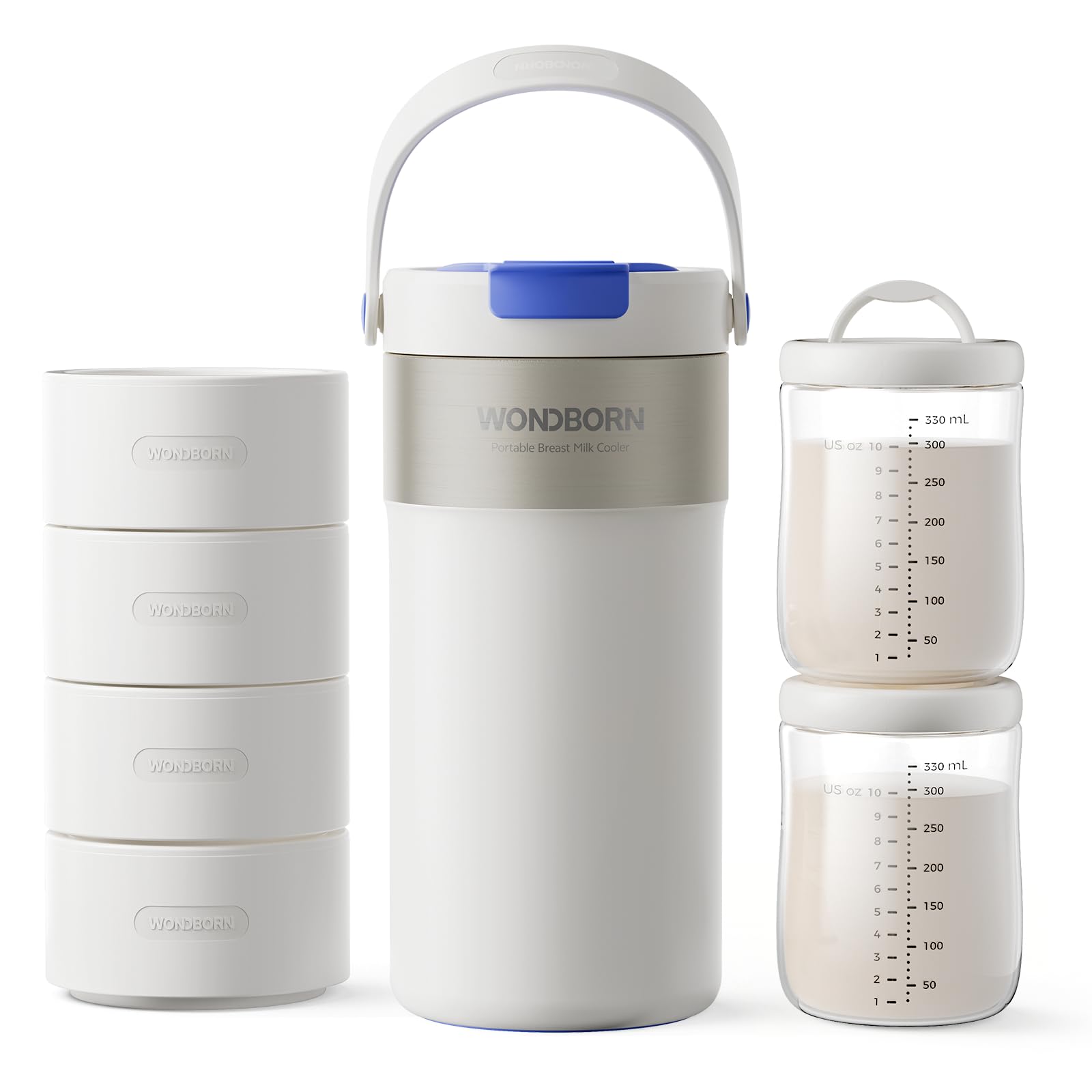
The detachable design lets you adjust cooling intensity. Use all four rings for a 12-hour workday, or grab just one or two rings with a bottle for quick errands. This flexibility reduces bulk when you don't need maximum cooling power.
What to Look for in a Vacuum Cooler
| Feature | Why It Matters |
|---|---|
| Vacuum lid seal | Prevents warm air from entering and cold air from escaping |
| Individual storage bottles | Keeps each pumping session separate to avoid cross-contamination |
| Wide opening | Allows one-handed bottle removal without spills |
| BPA-free materials | Ensures no harmful chemicals leach into milk |
Capacity Planning for Full-Day Storage
A 22-ounce total capacity handles 5-6 pumping sessions, which covers most working mothers' daily output. The Portable Breast Milk Cooler includes two 11-ounce bottles so you can separate morning and afternoon milk, maintaining freshness for each feeding.
Backup Cooling Methods
Pre-freezing ice rings for 12 hours gives you all-day protection, but unexpected schedule changes happen. Look for systems that accept regular ice cubes as a backup. This dual approach eliminates anxiety about running out of cooling power during extended commutes or spontaneous outings.
Practical Usage Tips
Flip-top lids with lift-ring bottles make a real difference when you're juggling a pump bag and diaper bag. Unlike tilt-and-pour designs that risk spills, one-handed access keeps you efficient during busy workdays. TSA-compliant coolers also simplify air travel for business trips or family visits.
The Verdict
Vacuum coolers with ice ring systems deliver reliable all-day milk storage without constant refrigerator access. The 720-degree insulation and rapid chill technology protect nutrients better than standard cooler bags, while detachable rings offer flexibility for different outing lengths.
Who This Suits
- Working mothers with 8-12 hour shifts away from home
- Parents who pump during commutes or travel frequently
- Caregivers managing multiple daily pumping sessions
- Families needing TSA-compliant storage for flights
Who Should Skip This
- Mothers with consistent refrigerator access throughout the day
- Parents who pump only once or twice daily at home
- Caregivers seeking ultra-lightweight options for very short trips
If you're ready to simplify your pumping routine with proven temperature control, a vacuum cooler system eliminates the guesswork from milk storage during long workdays.
Related Buying Guides
- Baby Sleep Sack Won't Stay On? Here's How to Fix It
- Best Baby Monitor for Large Homes: Full Room Coverage Without WiFi
- Best Nipple Creams Under $40: Budget-Friendly Relief for Nursing Moms
- Universal Stroller Cup Holders: Comparing Two Popular Options for Parents on the Go
- Best Budget-Friendly Silicone Baby Spoons for First Foods and Independent Feeding
- Cotton Rope vs Linen Fabric: Which Nursery Hamper Material Is Right for You?