How to Potty Train Your Toddler with a Secure Toilet Seat
Learn how to potty train your toddler safely using a secure potty seat. Step-by-step guide with tips for choosing the right training seat for boys and girls.
How to Potty Train Your Toddler with a Secure Toilet Seat
Moving from diapers to the big toilet is a major milestone, but many toddlers feel anxious about falling in. A contoured potty training seat that fits securely on your standard toilet helps kids feel safe while learning this new skill. Here's how to make the transition smooth and stress-free.
Step-by-Step Potty Training Process
1. Introduce the Potty Seat
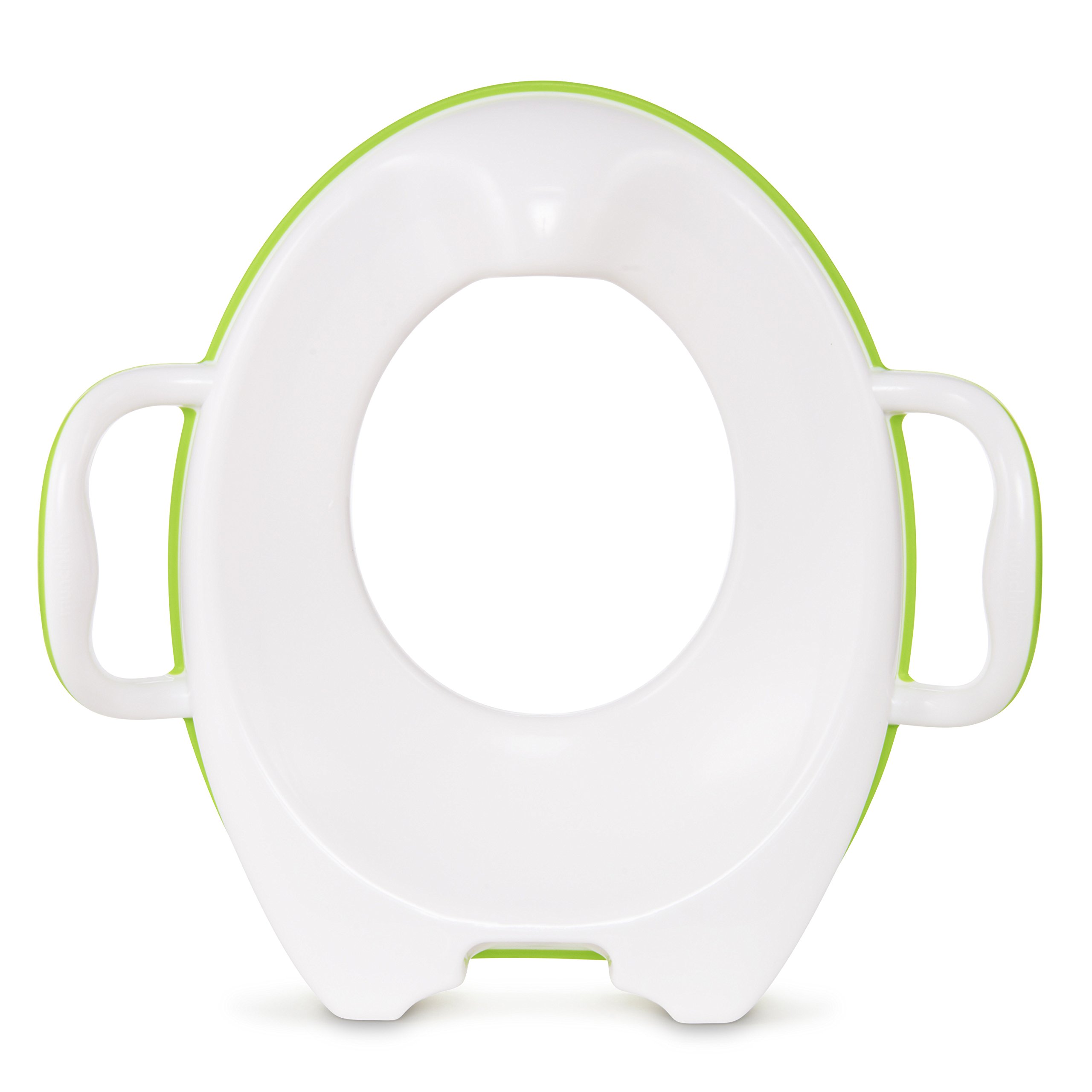
Let your child see and touch the seat before placing it on the toilet. Explain that it makes the big toilet smaller and safer for them. The Munchkin Sturdy Potty Training Seat features easy-grip handles that give toddlers confidence when sitting down.
2. Secure It Properly
Place the seat on your toilet and ensure the nonskid edge sits flat against the rim. A seat that shifts or slides will make your child nervous. Check that it's stable before your toddler climbs up.
3. Help Them Get Comfortable
Guide your child to hold the built-in handles while sitting. The contoured shape keeps them positioned safely without wobbling. Stay nearby during the first several attempts to reassure them.
4. Establish a Routine
Take your toddler to the bathroom at regular intervals—after meals, before naps, and when they wake up. Consistency helps them recognize the urge and builds confidence over time.
5. Store It Conveniently
When not in use, stand the seat upright using its built-in feet. This keeps the bathroom tidy and makes the seat easy to grab when needed.
What to Check Before Buying a Potty Training Seat
- Stability: Look for nonskid edges that prevent sliding during use
- Handles: Built-in grips help toddlers feel secure and climb on safely
- Contoured design: The seat should support your child's body without gaps
- Easy cleaning: Smooth plastic surfaces wipe clean quickly after accidents
- Storage: Feet or hooks make storage simple in small bathrooms
- Built-in guard: A pee guard is helpful for potty training boys
Who This Works Best For
This method suits toddlers between 18 months and 3 years who show readiness signs like staying dry for longer periods or expressing interest in the bathroom. Parents looking for a portable, affordable solution that works on most standard toilets will find a contoured seat practical and effective.
Related Buying Guides
- Frida Baby Fold-and-Go Portable Potty Seat Review: Travel Potty Training Made Simple
- How to Keep Your Toddler's Potty Seat Clean and Secure
- How to Potty Train Without Taking Over Your Bathroom
- Drop-Down Potty Seat: What It Is and Why Parents Love It
- Munchkin Sturdy Potty Training Seat: A Parent's Guide to Easy Toilet Training
- Munchkin Sturdy Potty Training Seat Review: A Parent's Honest Take