How to Soothe Teething Pain with Frozen Fruit Feeders
Learn how to safely relieve teething discomfort using frozen fruit feeders. Simple steps to prepare cold, soothing snacks for your baby's sore gums.
Why Frozen Fruit Feeders Work for Teething Relief
Teething can be rough on babies and parents alike. When your little one's gums are sore and swollen, cold pressure offers natural relief. Frozen fruit feeders combine safe self-feeding with soothing cold therapy, giving your baby something to chew on while introducing new flavors.
These mesh or silicone pouches hold frozen fruit, breast milk popsicles, or purees. The tiny holes let small, manageable pieces through while preventing choking hazards. It's a practical solution that keeps babies occupied and comfortable during teething flare-ups.
Step-by-Step: Using a Fruit Feeder for Teething
1. Choose the Right Feeder
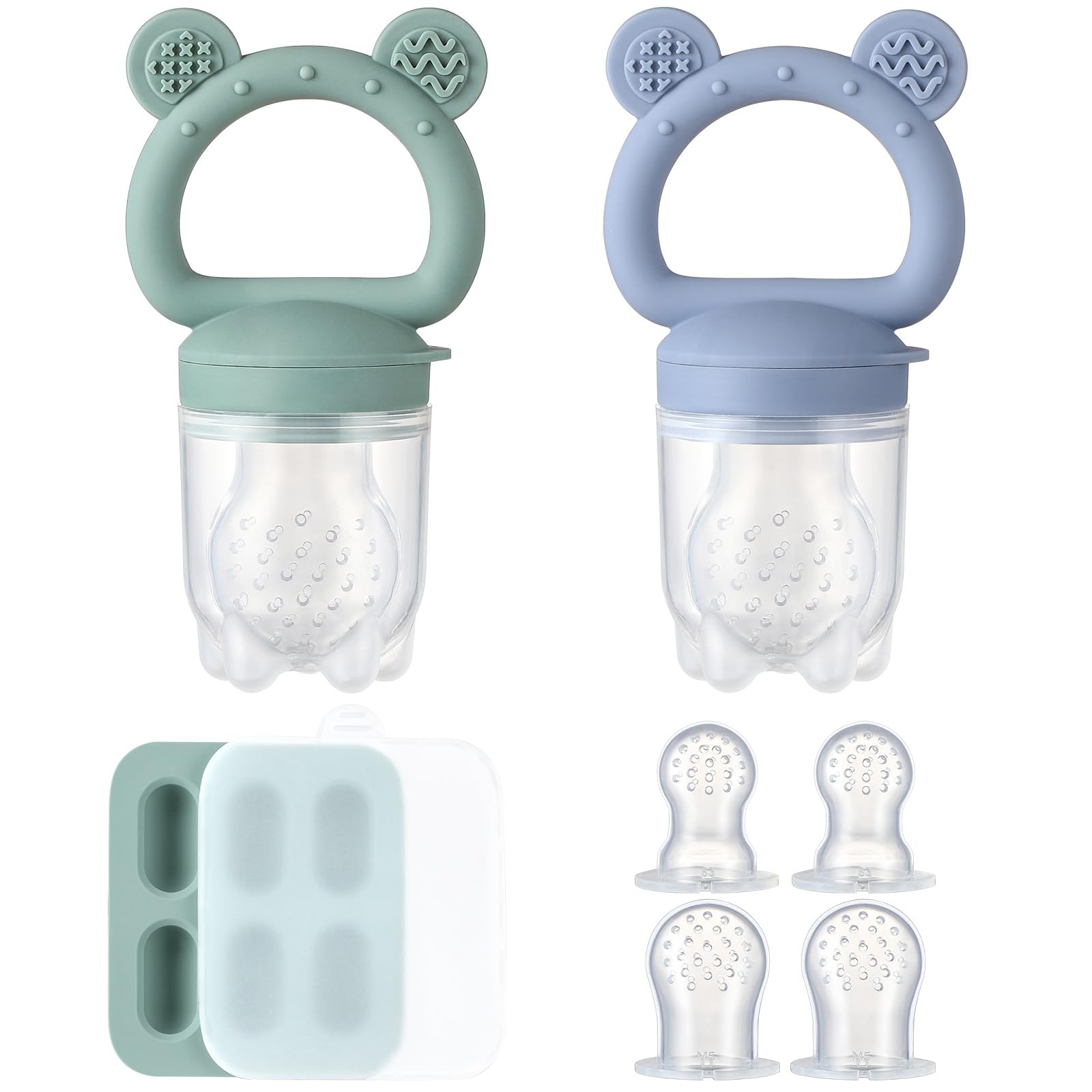
Look for a one-piece silicone design that eliminates small parts and choking risks. The POIKSHARK 2 Pack Silicone Baby Fruit Feeder comes with a mini freezer tray for making breast milk or puree popsicles. It's BPA-free, dishwasher-safe, and rated 4.8 out of 5 by parents.
2. Prep Your Frozen Insert
Fill the included mini tray with breast milk, formula, or pureed fruit. Freeze for at least 4 hours. You can also skip the tray and fill the pouch directly with fresh or frozen fruit chunks like banana, mango, or strawberry.
3. Load and Serve
Pop the frozen insert into the silicone pouch or add your fruit pieces. Seal it securely. Hand it to your baby and let them gnaw, suck, and explore. The cold numbs sore gums while the textured surface provides gentle counter-pressure.
4. Supervise and Clean
Always watch your baby during use. After each session, disassemble the feeder and wash all parts with warm soapy water or toss them in the dishwasher. Let them air dry completely before the next use.
What to Check Before Buying
- Material safety: Confirm the feeder is BPA-free, phthalate-free, and made from food-grade silicone.
- One-piece handle: Avoid designs with detachable parts that could become choking hazards.
- Hole size: Tiny perforations prevent large chunks from passing through.
- Freezer tray included: A bonus tray lets you prep multiple servings ahead of time.
- Easy cleaning: Dishwasher-safe components save time and ensure proper hygiene.
Who Should Use This Method
This approach works well for babies around 6 months and older who are starting solids and experiencing teething discomfort. It's ideal for parents who want a safe, mess-contained way to introduce new textures and flavors while soothing sore gums.
If your baby isn't interested in self-feeding yet or prefers traditional teething rings, you might want to wait a few weeks and try again.
Related Buying Guides
- Best Teether for Applying Teething Gel to Babies 3 Months and Up
- How to Soothe a Teething Baby Who Can't Hold a Teether Yet
- How to Soothe Teething Pain While Introducing Solids Safely
- Best Alternative to Traditional Baby Teethers: Silicone Fruit Feeder with Freezer Tray
- ChooKaChoo Silicone Teething Mittens for Babies 3+ Months – 2 Pack Review
- Best Alternative to Traditional Teething Gels: Matchstick Monkey Applicator Teether