How to Teach Your Toddler to Use a Step Stool Safely and Independently
Teaching your toddler to use a step stool safely is a critical skill that builds independence and confidence. This guide walks you through the process of introducing, positioning, and supervising step stool use for bathroom routines and beyond.
Why Teaching Proper Step Stool Use Matters
A step stool becomes an essential tool during your toddler's transition to independence, but simply placing one in the bathroom isn't enough. Teaching your child how to safely position and use a step stool prevents falls, builds confidence, and sets the foundation for self-sufficient bathroom routines.
The key is starting with the right equipment and following a structured approach that respects your child's developmental stage.
Choosing the Right Step Stool for Learning
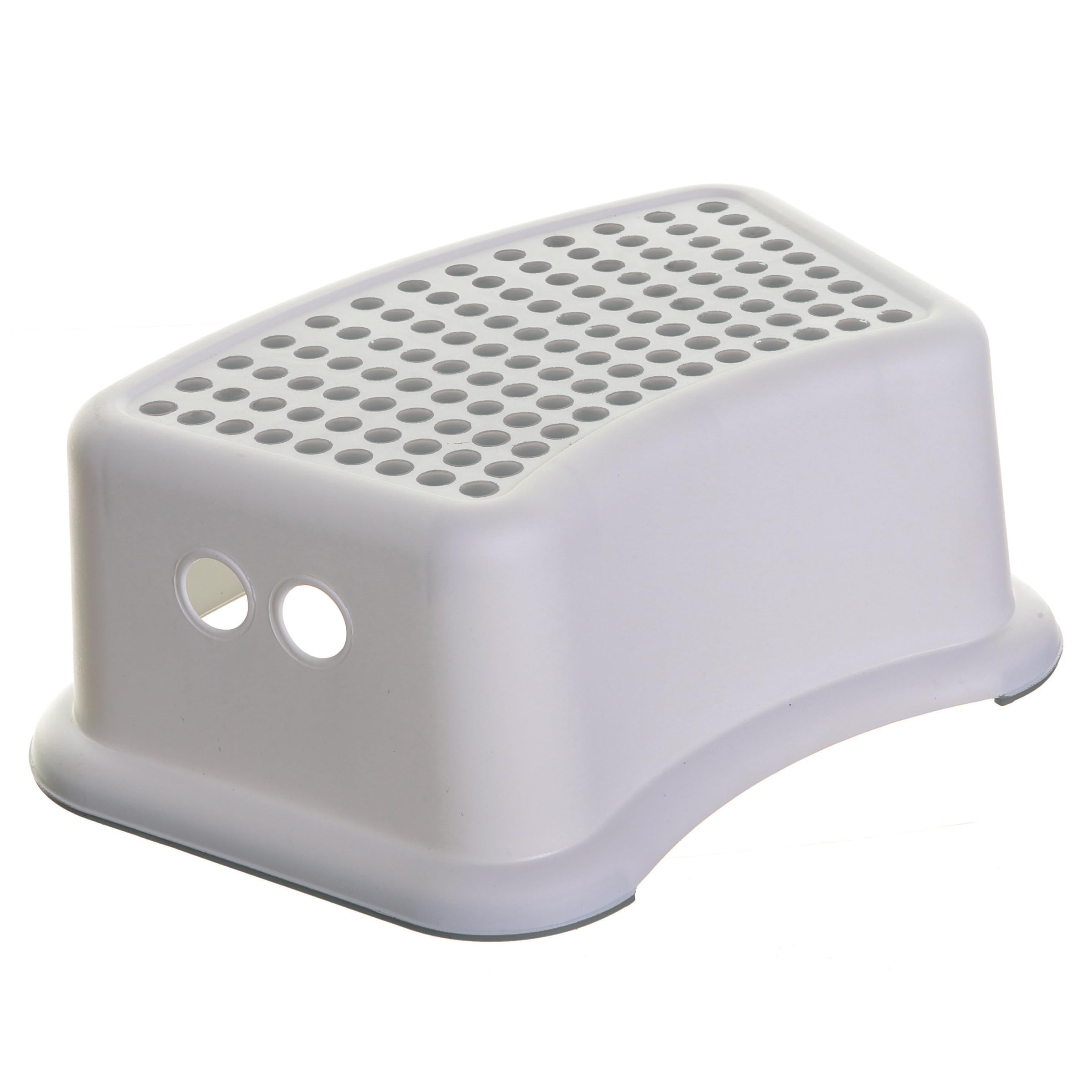
Safety features matter when you're teaching proper step stool habits. The Dreambaby Step Stool for Kids - Non-Slip Base and Contoured Design for Toilet Potty Training and Sink Use includes 117 rubber dots on the surface and a non-slip base that stays put during use. These features make it easier for toddlers to learn correct foot placement without sliding.
The contoured design fits around toilet bases, which helps children understand consistent positioning. At 5.6 inches tall and holding up to 175 pounds, it provides stable support while remaining light enough for toddlers to move independently.
Step-by-Step Teaching Process
Week 1: Introduction and Demonstration
Start by showing your toddler how the stool works. Place it in position yourself, step on it slowly, and narrate what you're doing. Let your child observe how you check that the stool is stable before putting weight on it.
Encourage your toddler to touch the rubber dots and feel the textured surface. This tactile exploration helps them understand why those features matter.
Week 2: Guided Practice with Support
Now it's your child's turn with your hands ready to assist. Use these teaching steps:
- Have your toddler position the stool close to the toilet or sink
- Guide them to check that all four corners touch the floor
- Hold their hand as they step up with one foot, then the other
- Practice stepping down backward while you provide support
- Repeat this sequence 3-4 times per bathroom visit
Week 3: Supervised Independence
Reduce physical assistance but stay within arm's reach. Watch for proper habits: positioning the stool first, checking stability, and using deliberate movements. Correct any rushing or careless placement immediately.
The lightweight construction of the Dreambaby Step Stool for Kids - Non-Slip Base and Contoured Design for Toilet Potty Training and Sink Use allows toddlers to reposition it themselves during this learning phase.
Common Mistakes to Address Early
Watch for these learning obstacles and correct them before they become habits:
- Jumping onto the stool instead of stepping deliberately
- Placing the stool at awkward angles that create instability
- Stepping down forward instead of backward
- Rushing through positioning without checking placement
Each time you notice these behaviors, pause the activity and demonstrate the correct method again. Consistency during these early weeks prevents safety issues later.
Expanding Step Stool Use Beyond the Bathroom
Once your toddler masters bathroom use, the same stool supports independence in other areas. The all-around design works for kitchen counters, where children can help with simple food prep, and for reaching light switches or closet shelves.
Easy cleaning with a warm washcloth means the stool transitions cleanly between rooms without maintenance hassles.
The Verdict: Is Structured Teaching Worth the Time?
Taking three weeks to properly teach step stool use pays dividends in safety and independence. Toddlers who learn correct positioning and movement patterns from the start have fewer falls and develop better spatial awareness.
The Dreambaby Step Stool for Kids - Non-Slip Base and Contoured Design for Toilet Potty Training and Sink Use supports this learning process with features that reinforce safe habits while being forgiving during the inevitable missteps of early practice.
Who This Approach Suits
This teaching method works well for parents who can dedicate focused bathroom time during the initial weeks and for toddlers between 18 months and 3 years who are ready for potty training or sink independence. Families who value building foundational safety habits will appreciate the structured progression.
Who Should Consider Alternatives
If your child already uses step stools confidently in other contexts, you may be able to skip straight to supervised independence. Parents without time for the multi-week approach might need to start with closer physical supervision until safe habits naturally develop.
Related Buying Guides
- Cup Holder Upgrades for Parents Who Live in Their Car
- Best Baby Feeder for Mess-Free Self-Feeding Practice
- Baby Silicone Placemat Not Staying Put? How to Fix the 5 Most Common Mealtime Mat Problems
- How to Pick a Nursing Cover That Keeps Eye Contact With Your Baby
- Giraffe Baby Laundry Basket Review: Cute Meets Functional in the Nursery
- Need a Replacement Swaddle? Why the Love to Dream Swaddle UP Is the One to Reorder