How to Transition Your Baby from Sippy Cup to Straw Cup Successfully
Making the switch from sippy cup to straw cup doesn't have to be stressful. Follow these practical steps to help your baby master straw drinking while avoiding spills and frustration.
Moving from a sippy cup to a straw cup is a significant milestone in your baby's development. Straw drinking strengthens oral muscles important for speech development and helps with jaw coordination. Here's how to make the transition smooth and successful.
When to Start the Transition
Most babies can begin transitioning to straw cups around 6 months, though some may be ready earlier or later. Watch for signs your baby can sit upright with support and shows interest in drinking from your cup.
Step-by-Step Transition Process
1. Choose the Right Cup
Look for a cup designed specifically for this transition. The Munchkin Any Angle Sippy Cup includes trainer handles that fit small hands perfectly and features a weighted straw base that allows sipping from any angle, even when tilted.
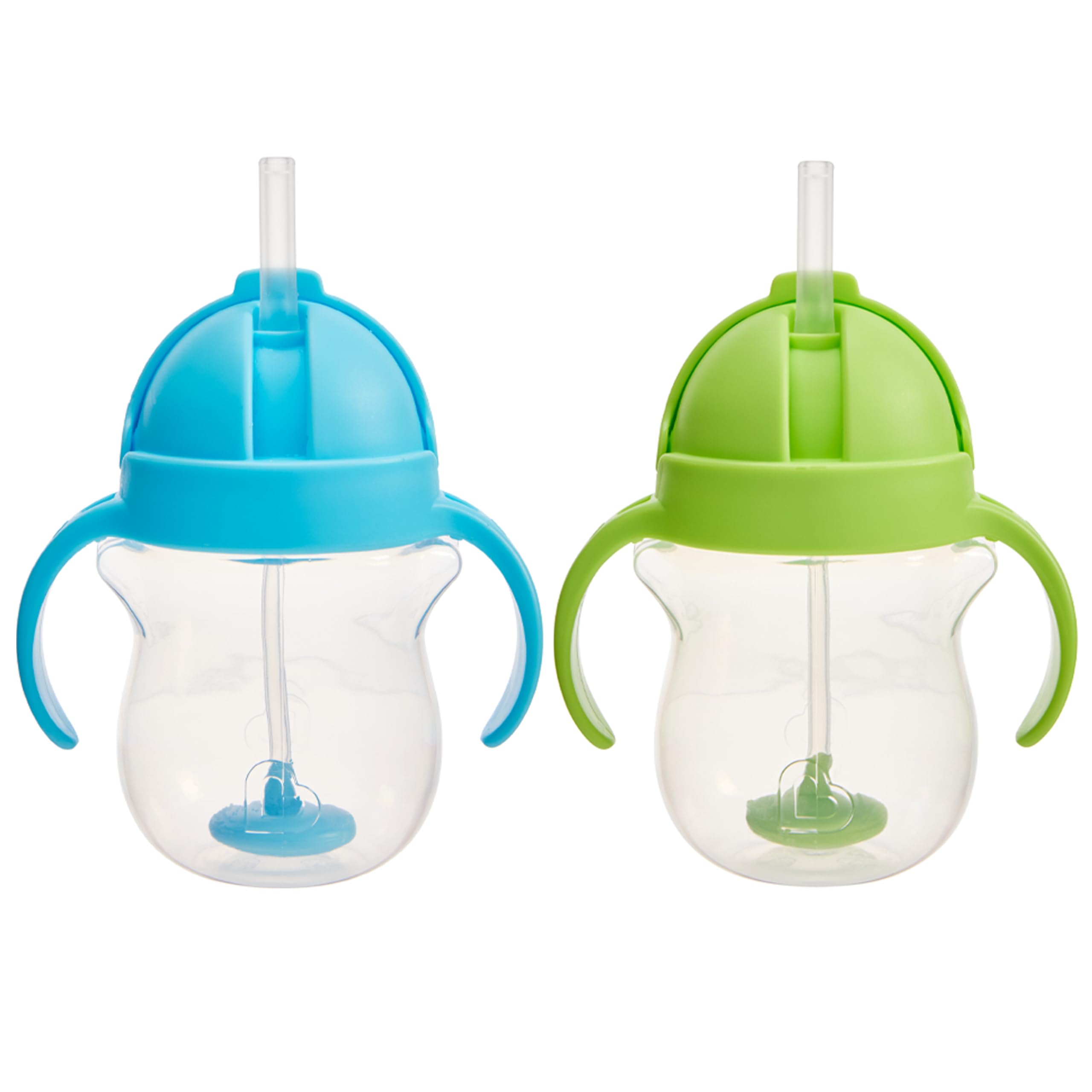
2. Demonstrate How It Works
Show your baby how to sip by taking a drink yourself. Babies learn through imitation, so let them watch you use a straw several times before offering them the cup.
3. Start with Familiar Liquids
Fill the cup with breast milk, formula, or water—whatever your baby already enjoys. Avoid introducing new flavors during this learning phase to keep focus on the skill itself.
4. Practice During Calm Times
Introduce the straw cup when your baby isn't overly hungry or tired. Mid-morning or after a nap works well for most children.
Key Features That Help
| Feature | Why It Matters |
|---|---|
| Weighted Straw | Moves with the liquid so baby can drink at any angle |
| Soft Straw Material | Gentle on sensitive gums during teething |
| Click Lock Technology | Prevents leaks when sealed properly |
| Easy-Grip Handles | Supports independent holding and coordination |
Troubleshooting Common Issues
If your baby resists the straw, try placing a small amount of liquid in the straw itself so they taste it immediately when they sip. The flip top lid on cups keeps the straw clean between attempts, whether you're at home or traveling.
Expect some trial and error. Some babies master straw drinking within days, while others need several weeks of practice.
The Verdict
Transitioning to a straw cup supports oral development and prepares your baby for regular cups. The weighted straw design eliminates the frustration of tilting the cup correctly, letting your baby focus on learning the sucking motion. The Click Lock seal provides peace of mind against spills during the learning phase.
Who This Approach Suits
Parents with babies 6 months and older ready to develop new drinking skills. Also ideal for families who want a spill-proof option for car rides and outings.
Who Should Skip This
If your baby isn't sitting upright yet or hasn't shown interest in self-feeding, wait a few more weeks before introducing straw cups.
Related Buying Guides
- Cup Holder Upgrades for Parents Who Live in Their Car
- Best Baby Feeder for Mess-Free Self-Feeding Practice
- Baby Silicone Placemat Not Staying Put? How to Fix the 5 Most Common Mealtime Mat Problems
- How to Pick a Nursing Cover That Keeps Eye Contact With Your Baby
- Giraffe Baby Laundry Basket Review: Cute Meets Functional in the Nursery
- Need a Replacement Swaddle? Why the Love to Dream Swaddle UP Is the One to Reorder