How to Treat and Prevent Diaper Rash in 3 Simple Steps
Learn how to quickly treat and prevent diaper rash with a proven 3-step method. Get relief from redness and irritation using a dermatologist-approved barrier cream.
How to Treat and Prevent Diaper Rash Fast
Diaper rash affects nearly every baby at some point, causing discomfort and distress for both parent and child. The good news is that most cases can be treated and prevented with a simple three-step approach that focuses on keeping skin clean, dry, and protected.
The 3-Step Method
Step 1: Clean Gently
Change diapers frequently, ideally every 2-3 hours or immediately after bowel movements. Use lukewarm water and a soft cloth or fragrance-free wipes. Pat the skin dry completely before applying any cream.
Step 2: Apply a Protective Barrier
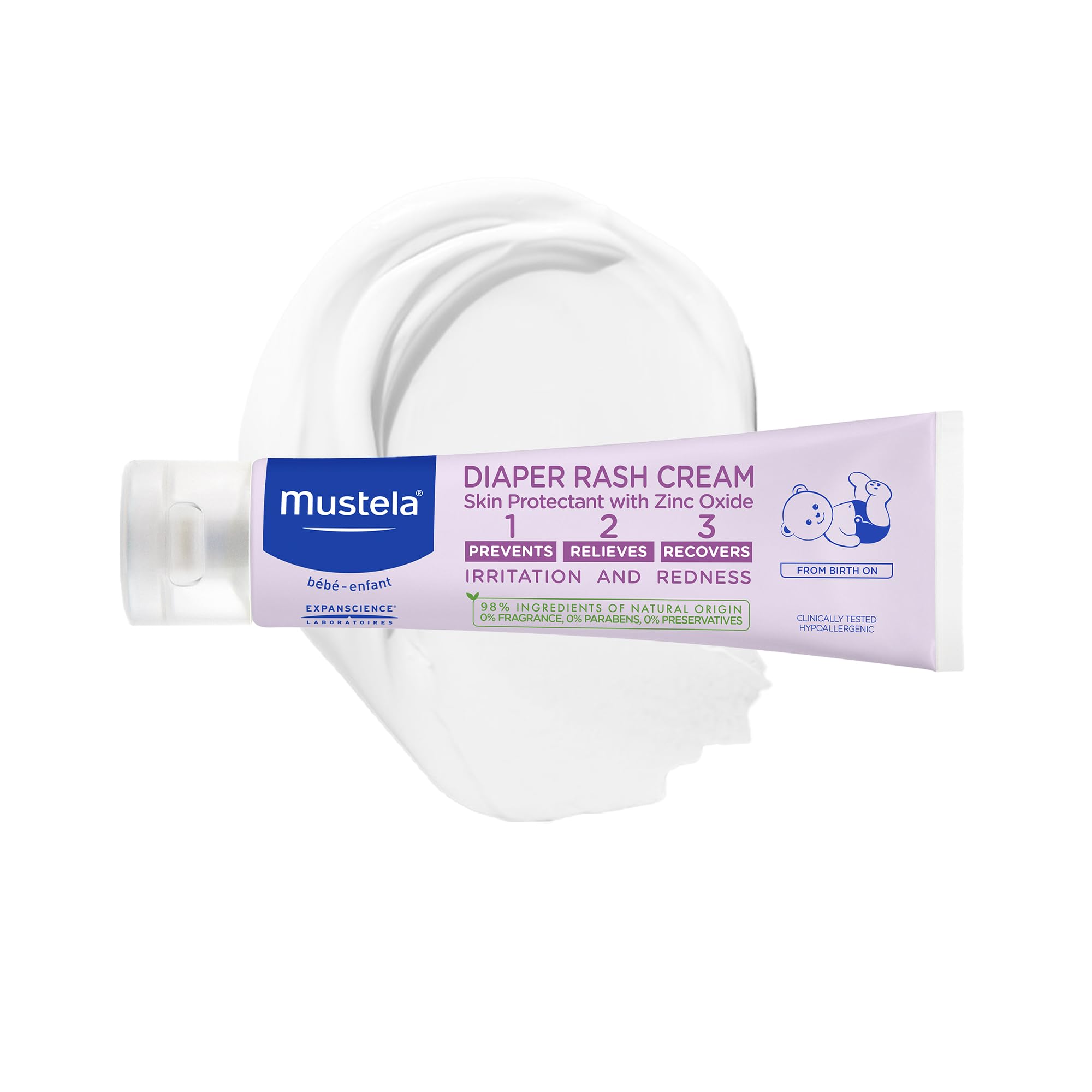
A zinc oxide-based barrier cream creates a protective layer between skin and moisture. The Mustela Baby Diaper Rash Cream 123 is formulated with 98% natural ingredients and has been shown to reduce irritation and redness by 80% from the first application. It works in three ways: preventing new rash, soothing existing irritation, and repairing the skin barrier.
Apply a thick layer at every diaper change, even when skin looks clear, to maintain protection. The cream should create a visible white coating that doesn't fully absorb.
Step 3: Allow Air Time
When possible, let your baby go diaper-free for 10-15 minutes after cleaning and before applying cream. This helps skin breathe and speeds healing.
What to Check Before Buying Diaper Cream
- Zinc oxide content: Look for at least 10% concentration for effective protection
- Fragrance-free formula: Reduces risk of irritation on sensitive skin
- Paraben-free: Safer for daily use on delicate baby skin
- Dermatologist approval: Choose products tested by pediatric dermatologists
- Texture: Cream should spread easily but stay in place as a barrier
When to Expect Results
Most mild to moderate diaper rash improves within 24-48 hours using this method. If redness persists beyond three days, spreads beyond the diaper area, or shows signs of infection like oozing or fever, consult your pediatrician.
Related Buying Guides
- Zinc Oxide in Diaper Cream: How It Protects Your Baby's Skin
- Mustela Baby Diaper Rash Cream 123: Your Diaper Rash Questions Answered
- How to Treat and Prevent Diaper Rash: A Simple Care Routine
- How to Prevent and Treat Diaper Rash: A Simple Care Routine
- How to Treat and Prevent Diaper Rash with Zinc Oxide Cream
- How to Protect Your Baby's Skin from Diaper Rash with Zinc Oxide Cream