How to Treat and Prevent Diaper Rash Fast: A Simple Care Routine
Learn how to quickly treat and prevent diaper rash with a simple care routine. Discover the signs, causes, and the right diaper cream to keep baby's skin healthy.
Understanding Diaper Rash
Diaper rash appears as red, irritated patches on your baby's bottom, thighs, or genital area. It's caused by prolonged moisture exposure, friction, or sensitivity to products. While common, it causes discomfort and needs prompt attention.
Quick Treatment Steps
Start by changing diapers more frequently—every two to three hours during the day. Clean the area gently with warm water and a soft cloth, avoiding wipes with alcohol or fragrance during flare-ups. Pat the skin completely dry before applying any product.
Apply a barrier cream with zinc oxide at every diaper change. Zinc oxide creates a protective layer that shields skin from moisture while allowing healing. Look for formulas with high percentages of natural ingredients and no harsh additives.
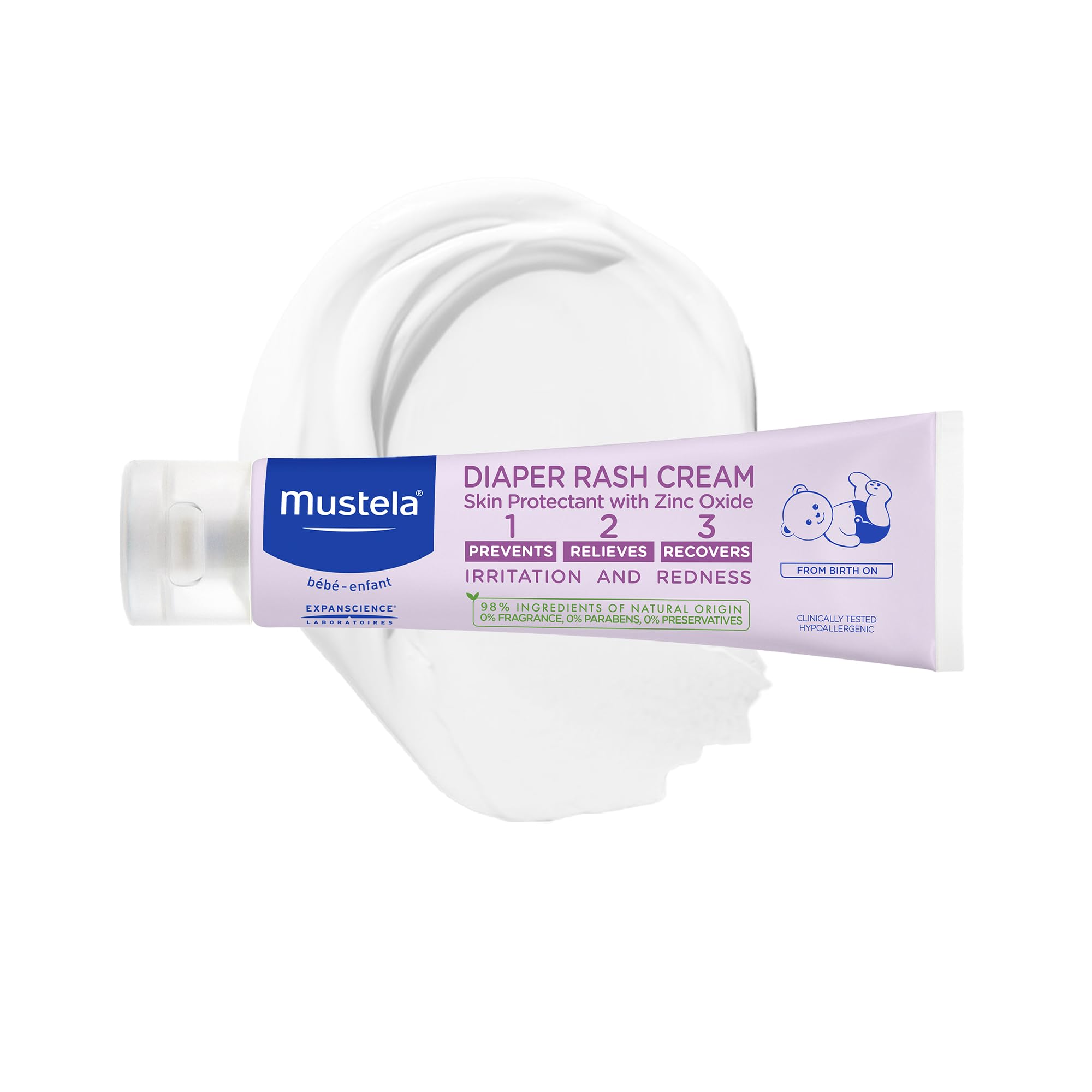
Recommended Product
Mustela Baby Diaper Rash Cream 123 combines zinc oxide with 98% natural ingredients to prevent, relieve, and repair diaper rash. Clinical results show an 80% reduction in irritation and redness from first use, with approval from pediatricians and dermatologists for prevention.
The fragrance-free, paraben-free formula works in three stages: preventing rash before it starts, soothing existing irritation, and repairing damaged skin. Apply a thick layer at each change, focusing on affected areas and natural creases where moisture collects.
Prevention Routine
Once the rash clears, maintain skin health with these habits:
- Change diapers immediately after bowel movements
- Allow diaper-free time daily for air circulation
- Use barrier cream as a preventive layer, not just for treatment
- Choose diapers that fit properly without rubbing
- Introduce new foods gradually to identify dietary triggers
When to See a Doctor
Most diaper rash improves within two to three days with consistent care. Seek medical advice if the rash spreads beyond the diaper area, develops blisters or pus, doesn't improve after a week, or if your baby develops a fever. These signs may indicate a yeast or bacterial infection requiring prescription treatment.
Who This Routine Works For
This approach suits parents dealing with mild to moderate diaper rash or looking to prevent it entirely. It's effective for babies with sensitive skin who need gentle, clinically-backed solutions.
Who Should Try Something Different
Severe rashes with open sores, persistent yeast infections, or reactions to multiple products require professional medical evaluation rather than over-the-counter care alone.
Related Buying Guides
- Zinc Oxide in Diaper Cream: How It Protects Your Baby's Skin
- Mustela Baby Diaper Rash Cream 123: Your Diaper Rash Questions Answered
- How to Treat and Prevent Diaper Rash: A Simple Care Routine
- How to Prevent and Treat Diaper Rash: A Simple Care Routine
- How to Treat and Prevent Diaper Rash with Zinc Oxide Cream
- How to Protect Your Baby's Skin from Diaper Rash with Zinc Oxide Cream