How to Use a Baby Bath Thermometer Safely: A Beginner's Step-by-Step Guide
Using a baby bath thermometer doesn't have to be complicated. This beginner's guide walks you through everything from setup to reading temperatures accurately, ensuring every bath is safe and comfortable for your little one.
Bath time can feel overwhelming for new parents, especially when you're unsure whether the water is safe for your baby's delicate skin. A baby bath thermometer takes the guesswork out of the equation, but knowing how to use it properly makes all the difference. This guide will show you exactly how to get started.
Why Temperature Accuracy Matters
Your baby's skin is significantly more sensitive than yours, making them vulnerable to both scalding and chills. Water that feels comfortable to your touch might actually be too hot for an infant. A reliable thermometer provides instant, objective readings so you can confidently create the perfect bath environment every time.
Getting Started: Simple Setup Steps
Most floating digital thermometers are designed for immediate use with minimal preparation. Here's how to begin:
- Check the battery: Ensure your thermometer is functional before the first bath
- Understand the display: Familiarize yourself with the LCD screen and any color-coded safety lights
- Know your target range: Safe bath water for babies typically sits between 98°F and 100°F
- Choose your unit: Switch between Fahrenheit and Celsius based on your preference
Proper Placement for Accurate Readings
Simply place your thermometer in the bathwater before your baby gets in. The Baby Bath Thermometer for Tub,Floating Digital Water Temperature Thermometer with Instant Accurate Reading,3-Color Safety Light,Auto On/Off for Newborn,Infant & Toddler automatically activates when it touches water and floats naturally on the surface. Give it a few seconds to provide an accurate temperature reading on its bright LCD screen.
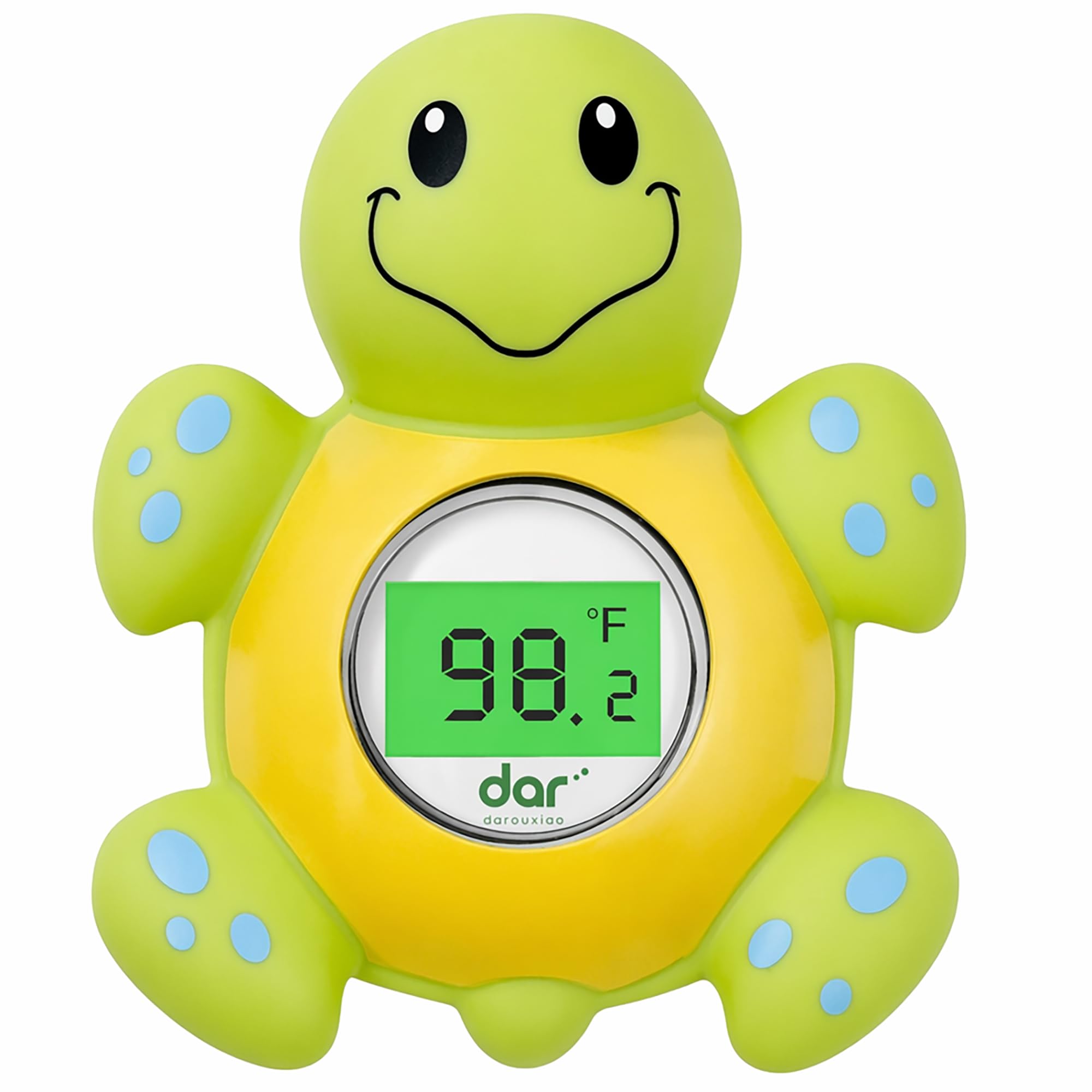
Position the thermometer in the area where your baby will sit, not near the faucet where temperatures may vary. Swirl the water gently to ensure even heat distribution throughout the tub.
Reading the Safety Indicators
The three-color safety light system makes interpretation effortless. Red indicates water that's too hot, blue signals it's too cold, and green confirms the temperature is just right. This visual feedback lets you adjust quickly without second-guessing the numbers.
Using It During Bath Time
Leave the thermometer floating during the entire bath. This allows you to monitor any temperature changes, especially in cooler rooms where bathwater cools quickly. The BPA-free, child-safe design means your baby can safely interact with it as a floating toy while you maintain supervision.
Check Current PriceAfter Bath Care
The auto-off feature conserves battery life by powering down after use. Simply remove the thermometer from the tub, shake off excess water, and store it in a dry location. No complicated maintenance routines required.
Who This Guide Suits
This approach works perfectly for first-time parents, caregivers managing multiple children, or anyone who wants to eliminate bath time anxiety. The straightforward process requires no technical expertise.
Who Should Consider Alternatives
If you prefer analog thermometers or already have extensive experience gauging water temperature by touch, a digital option may feel unnecessary. Families seeking room-and-bath combination devices might want multifunctional alternatives.
Final Verdict
Using a baby bath thermometer is genuinely simple when you understand the basics. The Baby Bath Thermometer for Tub,Floating Digital Water Temperature Thermometer with Instant Accurate Reading,3-Color Safety Light,Auto On/Off for Newborn,Infant & Toddler eliminates temperature concerns with instant readings and clear visual cues. For around the latest price, you gain confidence and your baby gets consistently comfortable baths. The automatic features and dual-purpose design as a bath toy make it practical for everyday use without adding complexity to your routine.
Related Buying Guides
- Cup Holder Upgrades for Parents Who Live in Their Car
- Best Baby Feeder for Mess-Free Self-Feeding Practice
- Baby Silicone Placemat Not Staying Put? How to Fix the 5 Most Common Mealtime Mat Problems
- How to Pick a Nursing Cover That Keeps Eye Contact With Your Baby
- Giraffe Baby Laundry Basket Review: Cute Meets Functional in the Nursery
- Need a Replacement Swaddle? Why the Love to Dream Swaddle UP Is the One to Reorder