No-WiFi Baby Monitors Explained: Why Parents Choose Secure 2.4GHz FHSS Technology
Discover why no-WiFi baby monitors with 2.4GHz FHSS technology offer safer, hack-proof monitoring. Learn how they work, who needs them, and what to look for.
What Is a No-WiFi Baby Monitor?
A no-WiFi baby monitor uses a dedicated wireless connection—typically 2.4GHz FHSS (Frequency Hopping Spread Spectrum)—instead of your home internet. The camera and parent unit communicate directly over a private, encrypted channel. No router, no app, no cloud storage. Just a direct, secure video and audio link between two devices.
Why Parents Care About No-WiFi Monitoring
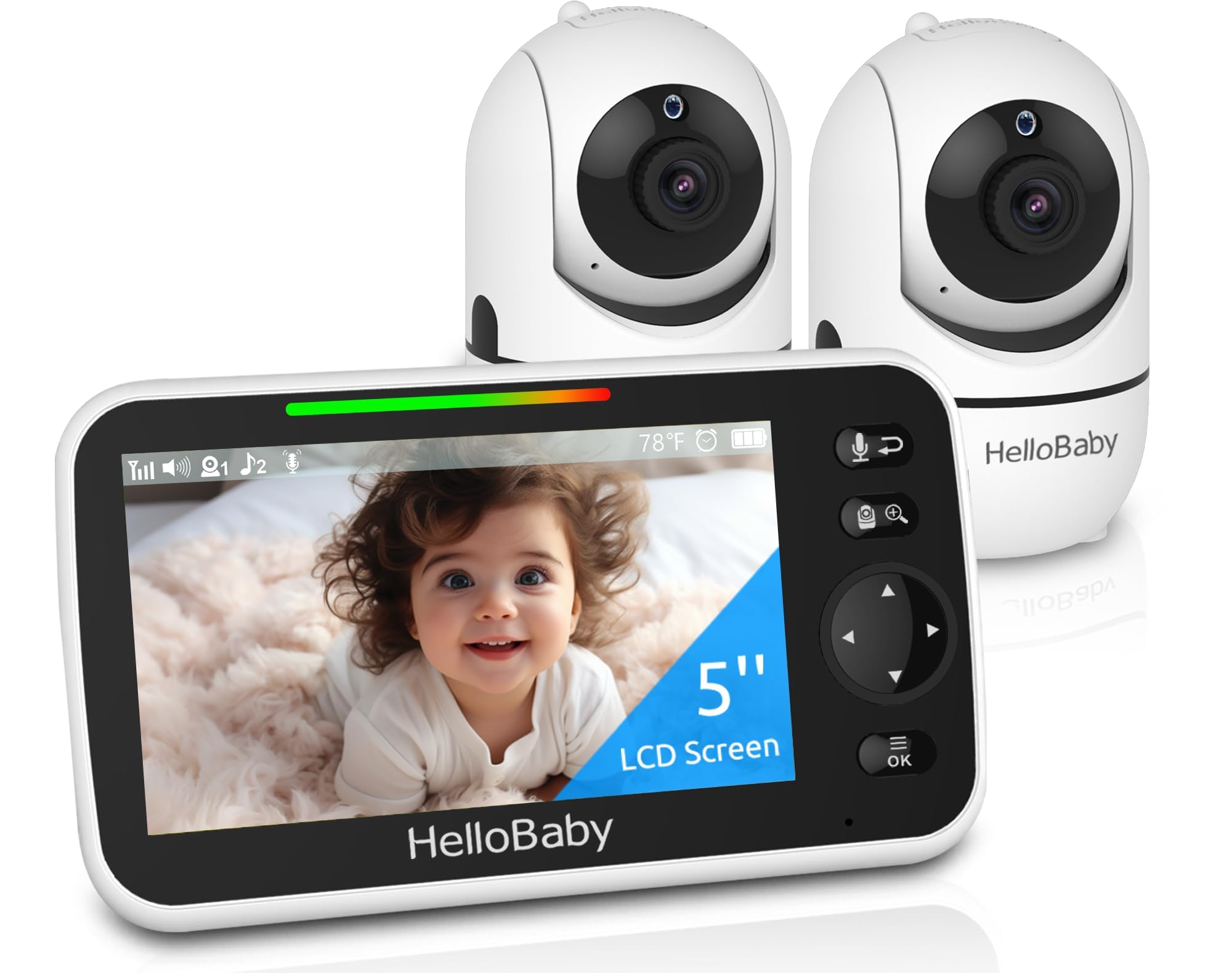
Security is the top reason. WiFi baby monitors can be vulnerable to hacking, network outages, and bandwidth throttling. A no-WiFi system like the HelloBaby HB6550-2 eliminates those risks. There's no IP address to target, no app login to breach, and no cloud server storing your child's video. You get a plug-and-play experience with instant connection and zero dependence on internet stability.
Parents also value simplicity. No firmware updates, no router troubleshooting, no monthly subscriptions. The monitor works the moment you plug it in, even during power or internet outages.
How to Evaluate a No-WiFi Baby Monitor
- Range: Look for 900–1000ft outdoor range to cover larger homes and yards.
- Battery life: A 30-hour rechargeable parent unit means fewer charges and overnight reliability.
- Camera features: Remote pan, tilt, and zoom let you follow movement without entering the room.
- Screen size: A 5-inch display offers clear detail without eyestrain.
- Multi-camera support: Systems that handle 2–4 cameras work for families monitoring multiple rooms or children.
Who Should Choose This
Parents prioritizing privacy, households with unreliable WiFi, or anyone wanting zero-setup monitoring will benefit most from no-WiFi systems.
Who Should Skip It
If you need smartphone alerts when away from home or want cloud recording, a WiFi-enabled monitor is better suited.
Related Buying Guides
- How to Monitor Your Baby Without WiFi or Cloud Accounts
- 3 Best Non-WiFi Baby Monitors with Long Battery Life in 2026
- VTech VM819 vs HelloBaby HB6550 vs HelloBaby HB6560: Which No-WiFi Baby Monitor is Right for You?
- VTech VM819 Baby Monitor Guide: No WiFi Setup for New Parents
- Best No-WiFi Baby Monitors for Privacy and Long Battery Life in 2026
- HelloBaby 6" IPS Video Baby Monitor FAQ: Is the 30-Hour Battery Worth It?