Non-Slip Platform Step Stools: What They Are and Why Safety Matters
Learn how non-slip platform step stools prevent accidents with fully covered surfaces and rubberized feet. Discover what to look for when choosing a safe step stool for your...
What Is a Non-Slip Platform Step Stool?
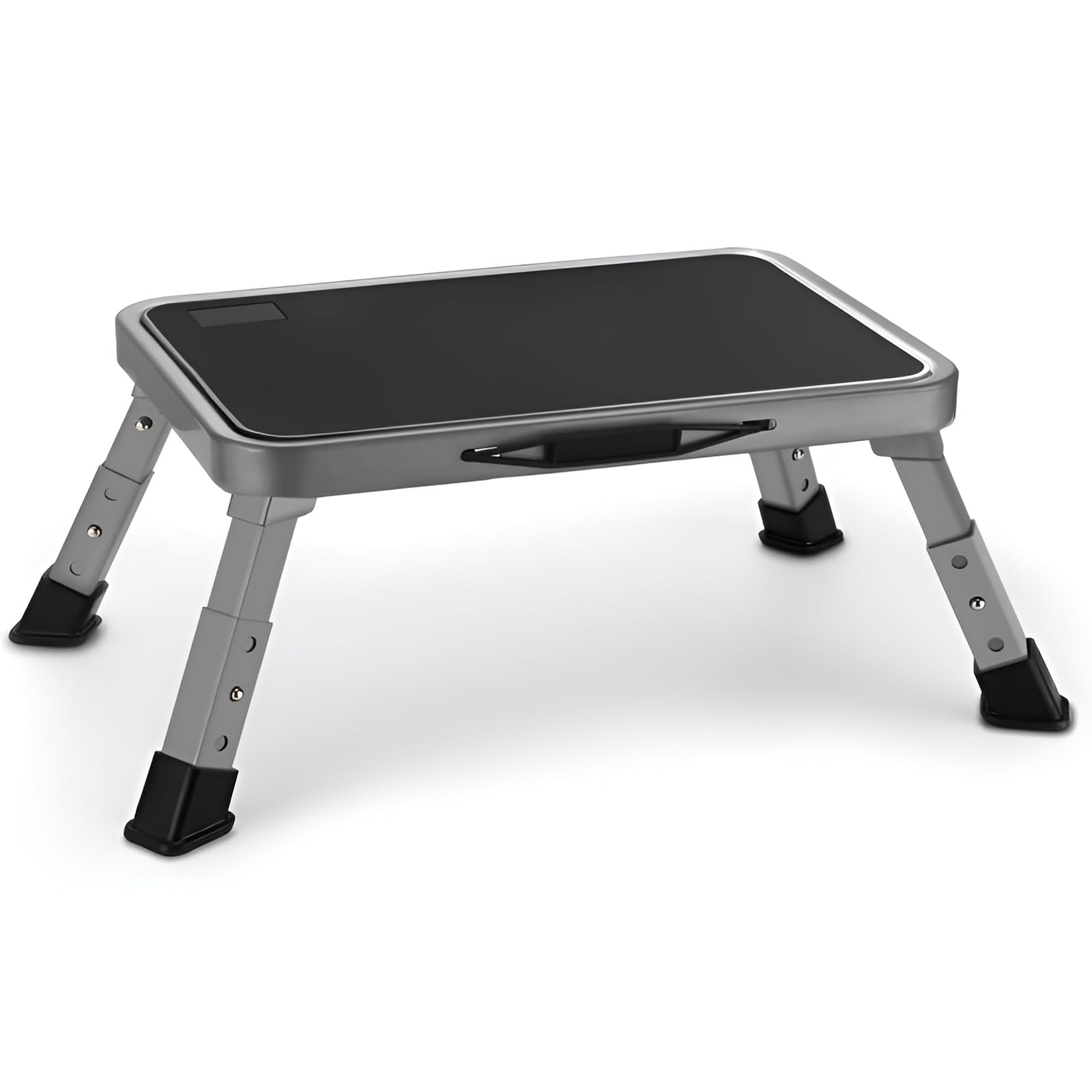
A non-slip platform step stool features a fully textured or rubberized top surface that prevents your feet from sliding during use. Unlike basic step stools with smooth plastic or wood surfaces, these platforms are engineered with grip-enhancing materials that maintain traction even when wet or dusty. The platform typically covers the entire standing area, eliminating gaps or exposed frame edges that could cause slips.
Modern non-slip step stools combine this safer platform design with additional stability features like rubberized feet, reinforced frames, and locking mechanisms to create a secure climbing experience for everyday tasks.
Why Buyers Choose Non-Slip Platforms
Slips and falls from step stools send thousands of people to emergency rooms each year. A non-slip platform addresses the most common failure point: losing your footing while reaching or transitioning your weight. The textured surface works like the grip tape on skateboard decks, channeling moisture away and increasing friction between your shoes and the stool.
This feature matters most when you're using the stool with wet hands, carrying items, or working in kitchens and bathrooms where floors may be slick. Parents also prefer non-slip platforms when children use the stool, as kids are more prone to sudden movements that could cause slipping on smooth surfaces.
How to Evaluate Non-Slip Step Stools
Look for these key safety elements when comparing options:
- Full platform coverage: The non-slip surface should extend across the entire top, not just a center strip
- Rubberized feet: Thickened rubber or TPE feet on all legs prevent the stool from sliding on tile, hardwood, or laminate floors
- Weight capacity: Choose stools rated for at least 300-330 lbs to ensure structural integrity under dynamic loads
- Locking mechanisms: Folding models should have secure locks that prevent accidental collapse
- Frame material: Steel or heavy-duty aluminum outperforms hollow plastic in long-term stability
Real-World Example: Jocauto Foldable Step Stool
The Jocauto foldable step stool demonstrates these principles with a fully covered non-slip platform and dual safety features. Its legs include locking buttons that secure the stool in the open position, while thickened rubber feet grip floors to prevent sliding. The steel frame is rated for 330 lbs and folds to just 1.8 inches thick for storage in narrow spaces. At 4.8 lbs, it includes a side handle for easy transport between rooms.
This model works equally well in kitchens for reaching cabinets, in bedrooms for closet access, or in garages and RVs where compact storage matters. The combination of a non-slip platform and stabilizing feet makes it suitable for both adults and supervised children.
Who Should Use a Non-Slip Platform Step Stool?
These stools are ideal for anyone who frequently climbs to reach high shelves, change light bulbs, or perform household tasks above arm's reach. They're especially valuable in homes with older adults, where fall prevention is critical, and in busy households where the stool sees daily use. If you've ever felt unsteady on a basic stool or work in areas with moisture, upgrading to a non-slip platform significantly reduces risk.
However, if you need to reach heights above three feet regularly, consider a small ladder instead. Step stools are designed for quick, low-height access rather than extended overhead work.
Related Buying Guides
- How to Choose a Non-Slip Step Stool for Your Home in 2026
- How to Choose a Non-Slip Step Stool That Won't Slide or Tip
- Beginner's Guide to Choosing a Non-Slip Step Stool for Home Safety
- Best Non-Slip Step Stool for Kitchen and Home Use in 2026
- How to Safely Reach High Shelves Without Risking a Fall
- Is the Jocauto Foldable Step Stool Worth It? Top Questions Answered