Portable Bottle Warmer Battery Life Showdown: Real-World Capacity & Charging Times Compared
Battery life can make or break your experience with a portable bottle warmer. We compare the Ninebee and Momcozy models to see which offers more heating cycles per charge and faster recharging for parents on the go.
Why Battery Performance Matters for Portable Warmers
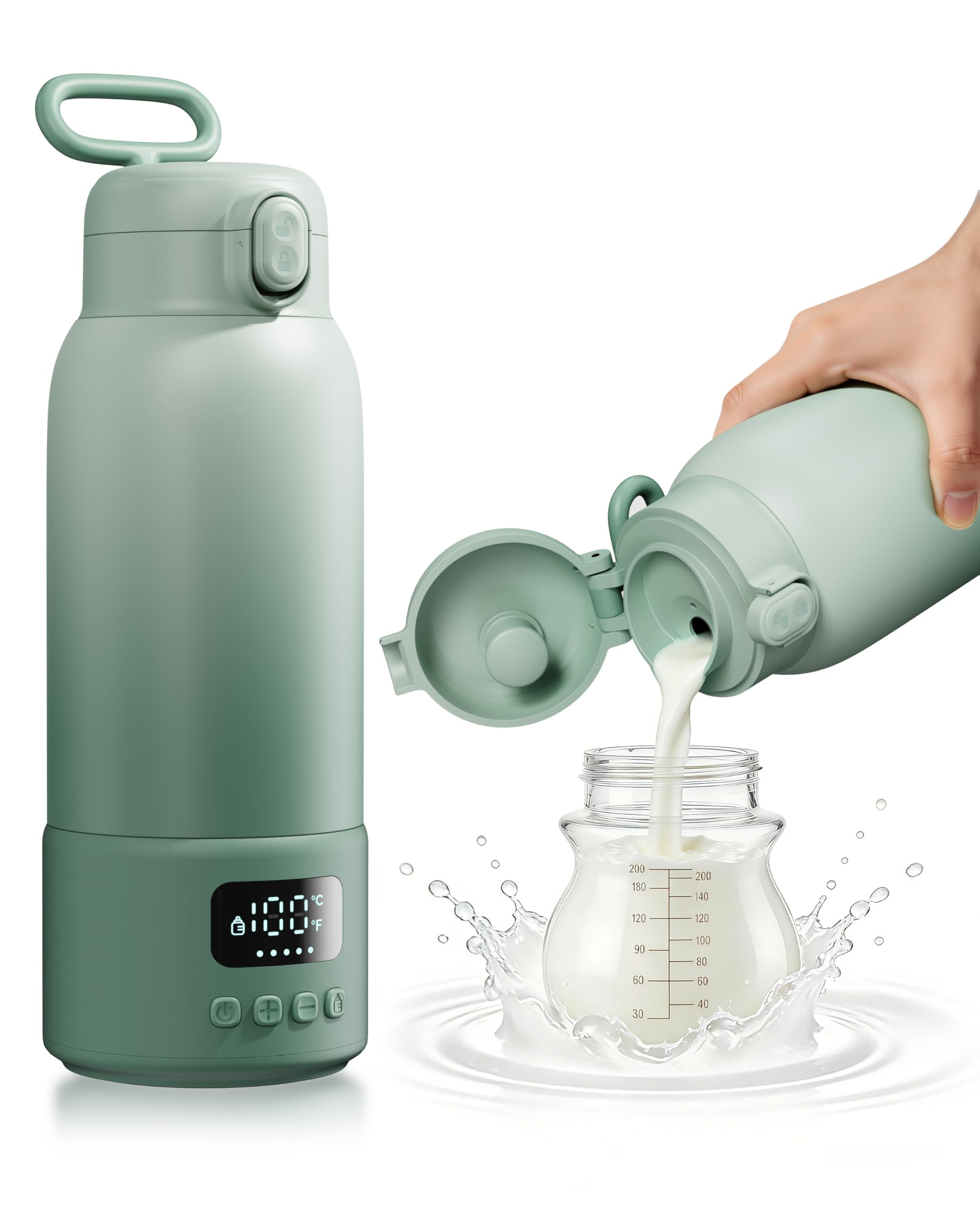
When you're juggling diaper bags, strollers, and a fussy baby, the last thing you need is a dead bottle warmer. Battery capacity determines how many feedings you can manage between charges, while charging speed dictates how quickly you're back in action. Both the Portable Bottle Warmer for Travel, 17oz Large Capacity, 2-Min Fast Heating, Keep Warm Function, Long Battery Life, Ideal for Heating Breast Milk and Water On-the-Go, Green and Momcozy Portable Bottle Warmer for Travel – Dual Heating Modes for Breast Milk & Water, Portable Milk Warmer with Fast Heating & Long Battery Life, 17 Ounces Large Capacity to Meet Your All-Day Needs promise cordless convenience, but their battery specs tell different stories.
Heating Cycles Per Charge: The Numbers That Count
The Portable Bottle Warmer for Travel, 17oz Large Capacity, 2-Min Fast Heating, Keep Warm Function, Long Battery Life, Ideal for Heating Breast Milk and Water On-the-Go, Green delivers up to 24 heating cycles for 4oz water or 8 cycles for 4oz refrigerated breast milk on a single charge. This higher output for water heating makes it particularly useful for parents preparing formula throughout the day.
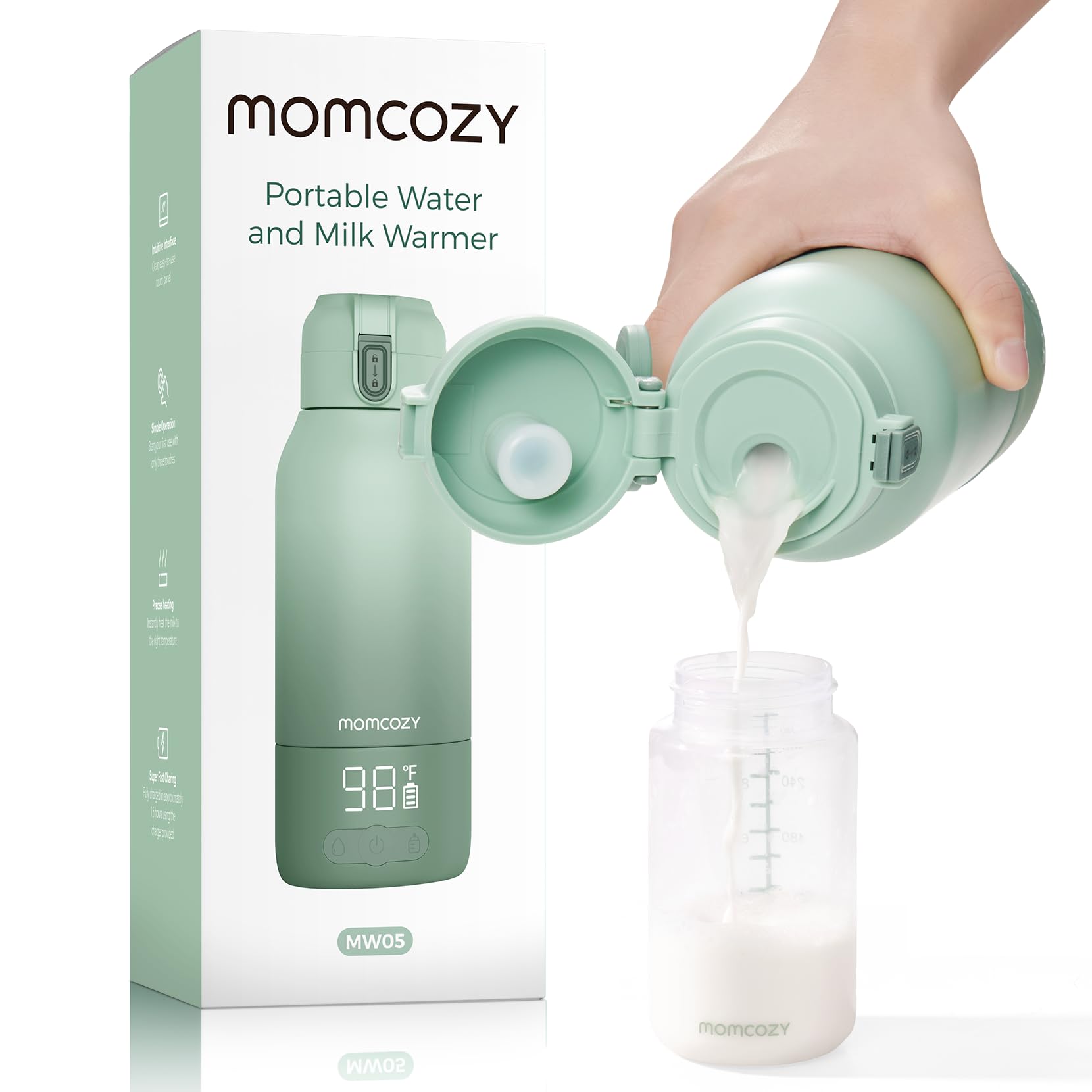
Meanwhile, the Momcozy Portable Bottle Warmer for Travel – Dual Heating Modes for Breast Milk & Water, Portable Milk Warmer with Fast Heating & Long Battery Life, 17 Ounces Large Capacity to Meet Your All-Day Needs manages up to 19 water heating cycles or 5 breast milk cycles per charge. The difference becomes significant during extended outings or multi-child households where you need frequent warmings without access to power outlets.
Charging Time and Practical Implications
Both units require approximately 1.5 hours for a full charge, which means you can top up during afternoon naps or overnight. This identical charging window levels the playing field, putting the focus squarely on how many feedings each battery delivers before needing a recharge.
Real-World Battery Performance Factors
| Feature | Ninebee | Momcozy |
|---|---|---|
| Water heating cycles (4oz) | 24 cycles | 19 cycles |
| Breast milk cycles (4oz) | 8 cycles | 5 cycles |
| Full charge time | 1.5 hours | 1.5 hours |
| Heating power | 100W | Not specified |
The Ninebee's 100W heating element draws more power per cycle but compensates with superior battery capacity. Warming breast milk consumes more energy than water because it starts from refrigerator temperatures and requires gentler, more controlled heating to preserve nutrients.
What Drains Battery Faster
Several factors accelerate battery depletion beyond the manufacturer's estimates. Starting temperature matters—freezing milk requires substantially more energy than refrigerated. Ambient temperature also plays a role; winter outings drain batteries faster than summer ones. The keep-warm function on both models, while convenient, continuously draws power and reduces your total heating count.
Strategic Battery Management for Parents
Maximizing battery life requires some planning. Charge overnight so you start each day with full capacity. If you know you'll need multiple feedings during an outing, pre-warm water at home and use the keep-warm function sparingly. For exclusively breastfeeding families, the lower cycle count for breast milk means you might need to recharge more frequently or carry a portable power bank.
Both the Portable Bottle Warmer for Travel, 17oz Large Capacity, 2-Min Fast Heating, Keep Warm Function, Long Battery Life, Ideal for Heating Breast Milk and Water On-the-Go, Green and Momcozy Portable Bottle Warmer for Travel – Dual Heating Modes for Breast Milk & Water, Portable Milk Warmer with Fast Heating & Long Battery Life, 17 Ounces Large Capacity to Meet Your All-Day Needs feature 17oz reservoirs, so you can fill once and have enough hot water or milk for several bottles without refilling—though this doesn't extend battery life, it does reduce the hassle factor.
The Balanced Verdict
The Ninebee edges ahead on pure battery endurance, offering notably more heating cycles per charge for both water and breast milk. This advantage becomes meaningful during day trips, travel, or busy days when you can't easily recharge. The Momcozy still provides respectable battery performance with the same quick 1.5-hour charging time, plus it includes a leak-proof design that some parents find more travel-friendly.
Neither unit will leave you stranded after just a few bottles, but if you frequently spend entire days away from outlets or have twins, the extra cycles from the Ninebee deliver tangible peace of mind.
Who Should Choose the Ninebee
- Parents frequently traveling or spending full days away from power sources
- Households with multiple young children requiring simultaneous feedings
- Formula feeders who primarily heat water and want maximum cycles per charge
- Anyone prioritizing battery longevity over other features
Who Should Choose the Momcozy
- Parents who can recharge daily and need solid but not extreme battery capacity
- Those valuing the leak-proof lid design for throw-it-in-the-bag convenience
- Families managing shorter outings where 19 water cycles suffice
- Buyers attracted to the brand's broader ecosystem of feeding products
Ready to choose the battery champion that matches your routine?
Check Ninebee Latest PriceCheck Momcozy Latest PriceRelated Buying Guides
- Car Seat Protector Features That Actually Matter for Everyday Parenting
- Best Baby Carrier with Hip Seat for Baby Shower Gifts 2026
- SafeRest vs Shunjie.Home Crib Mattress Protector: Which One Should You Buy?
- Winter Dry Skin Season: Cotton vs Muslin No-Scratch Mittens for Newborns Under $15
- Summer Road Trip Cup Holder Fixes Every Family Car Needs
- Newborn No-Scratch Mittens Under $15: Cotton vs Muslin for Daily Rotation