Potty Training Seat FAQ: What Parents Ask Before Buying
From toilet compatibility to splash-guard effectiveness, here are the real questions parents ask before switching to a potty training seat — and straightforward answers.
Potty Training Seat FAQ: What Parents Really Want to Know
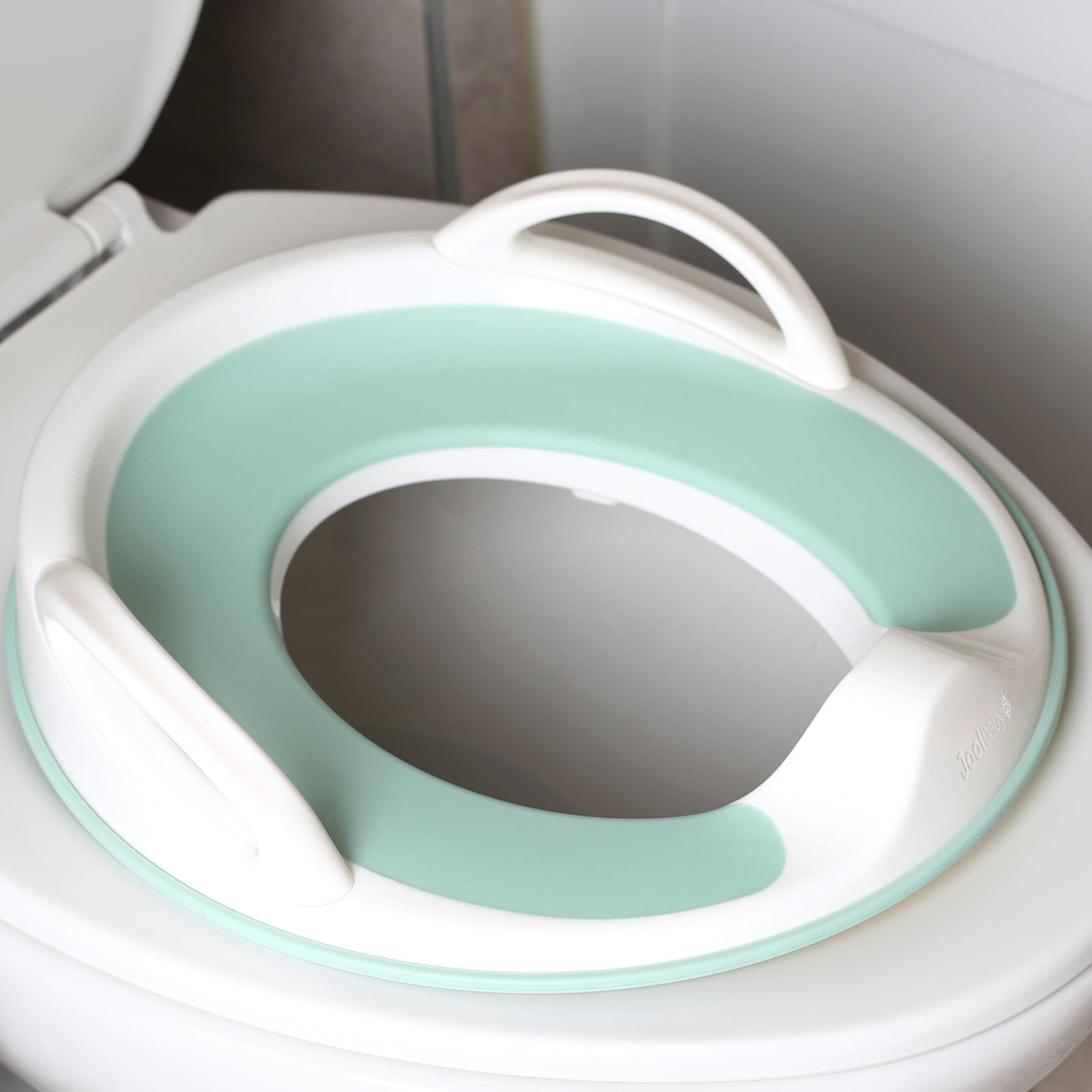
Moving your toddler from a little standalone potty to the actual toilet is a big leap. A Jool Baby Potty Training Seat for Boys and Girls With Handles, Fits Round & Oval Toilets, Non-Slip with Splash Guard, Includes Free Storage Hook (Aqua) sits on top of your regular toilet seat so your child uses the real thing — with a smaller, safer opening. Below are the questions parents ask most often.
How is a potty training seat different from a standalone potty?
A standalone potty is a separate bowl your child sits on anywhere. A training seat rests directly on your household toilet, so your child learns the routine of going to the bathroom the way everyone else does — no second transition later.
Will it fit my toilet?
The Jool Baby Potty Training Seat for Boys and Girls With Handles, Fits Round & Oval Toilets, Non-Slip with Splash Guard, Includes Free Storage Hook (Aqua) is compatible with most round and elongated toilet seats. Measure your bowl shape before ordering, but coverage is broad.
Is it safe for an unsteady toddler?
Safety comes down to two things: grip and stability. This seat has a slip-resistant bottom that keeps it from shifting on the toilet, plus built-in handles your child can hold onto for confidence while sitting down or standing up.
Does the splash guard actually work?
Yes — the integrated splash guard is designed to keep messes contained, which is especially helpful when training boys. It is a common pain point with open-seat designs, so having it built in matters.
Where do I store it between uses?
A bonus storage hook is included, so you can hang the seat on the wall or side of the toilet tank. That keeps it off the floor and out of the way when adults need the bathroom.
What age is a training seat meant for?
Most children start using a training seat between 18 months and 3 years, depending on readiness. The handles and non-slip base make it suitable for younger toddlers who are still wobbly.
Quick Feature Breakdown
| Feature | What It Means for You |
|---|---|
| Built-in handles | Child grips for confidence getting on and off |
| Splash guard | Contains messes, especially with boys |
| Slip-resistant base | Seat stays put on the toilet |
| Round & elongated fit | Works with most standard toilets |
| Storage hook included | Hangs neatly out of the way |
Verdict
The Jool Baby Potty Training Seat for Boys and Girls With Handles, Fits Round & Oval Toilets, Non-Slip with Splash Guard, Includes Free Storage Hook (Aqua) checks the boxes that matter most: it stays put, gives toddlers something to hold, contains splashes, and stores easily. Rated 4.6 out of 5 across thousands of reviews, it is a budget-friendly pick that covers the essentials without overcomplicating things.
Who it suits
- Parents ready to skip the standalone potty phase entirely
- Families who want a seat that works on the toilet they already have
- Anyone who values built-in handles for a nervous toddler
Who should skip it
- Parents whose child is too small or scared to climb onto a full-size toilet
- Households with unusually shaped or padded toilet seats that may not seat a trainer securely
Related Buying Guides
- Best Baby Feeder for Mess-Free Self-Feeding Practice
- Baby Silicone Placemat Not Staying Put? How to Fix the 5 Most Common Mealtime Mat Problems
- How to Pick a Nursing Cover That Keeps Eye Contact With Your Baby
- Giraffe Baby Laundry Basket Review: Cute Meets Functional in the Nursery
- Need a Replacement Swaddle? Why the Love to Dream Swaddle UP Is the One to Reorder
- Baby Brezza Universal Detergent Soap Tablets Features Explained: What Makes Them the Best Baby Detergent for Bottle Washers