Spray vs Traditional Cream: Which Diaper Rash Formula Works Best for Your Baby?
When treating diaper rash, the application method matters as much as the ingredients. This comparison breaks down the differences between spray and traditional cream formulas to help you choose the right format for your baby's needs.
Understanding Application Methods in Diaper Rash Treatment
Parents face a practical choice when selecting diaper rash protection: spray-on or traditional cream. Each format offers distinct advantages depending on your baby's sensitivity level, the severity of irritation, and how much your little one squirms during changes.
This comparison examines two different approaches to the same problem, helping you understand which application method aligns with your daily diaper routine.
Quick Comparison Overview
| Feature | Mustela Spray | Babo Botanicals Cream |
|---|---|---|
| Application | Touch-free spray | Traditional hand application |
| Zinc Oxide | Contains zinc oxide | 25% non-nano zinc oxide |
| Natural Ingredients | 99% natural origin | Organic enriched formula |
| Special Features | Natural avocado | Colloidal oatmeal, shea & cocoa butter |
| Rating | 4.6 out of 5 | 4.4 out of 5 |
The Touch-Free Approach
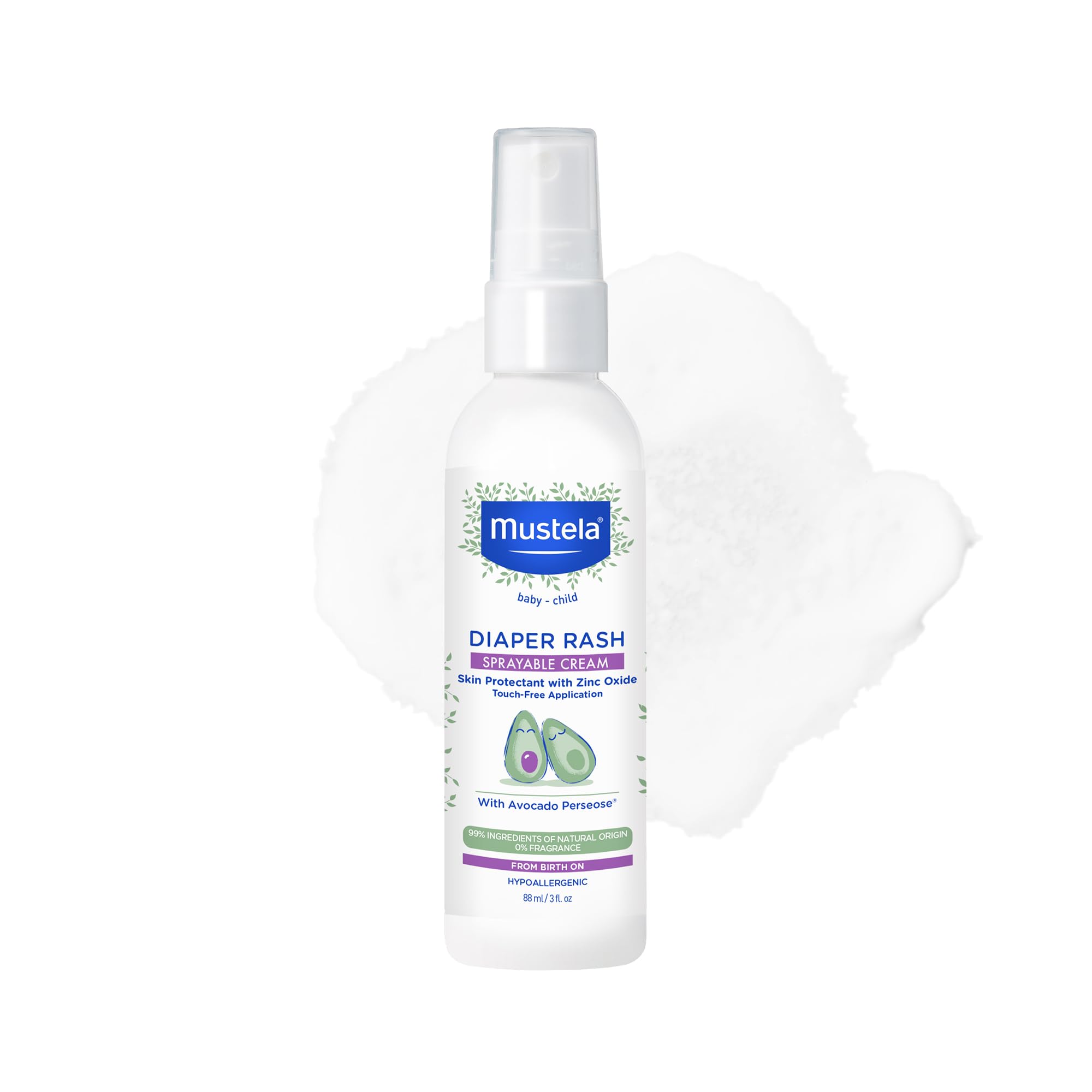
The Mustela Baby Diaper Rash Cream Spray delivers treatment without physical contact. Made with 99% ingredients of natural origin, this sprayable formula includes zinc oxide and natural avocado to seal out wetness while soothing irritated skin.
The spray mechanism excels when dealing with active babies who resist diaper changes or when the rash is particularly tender. The touch-free delivery means no rubbing against already inflamed skin, and the fragrance-free formulation reduces the risk of further irritation.
The Traditional Barrier Method
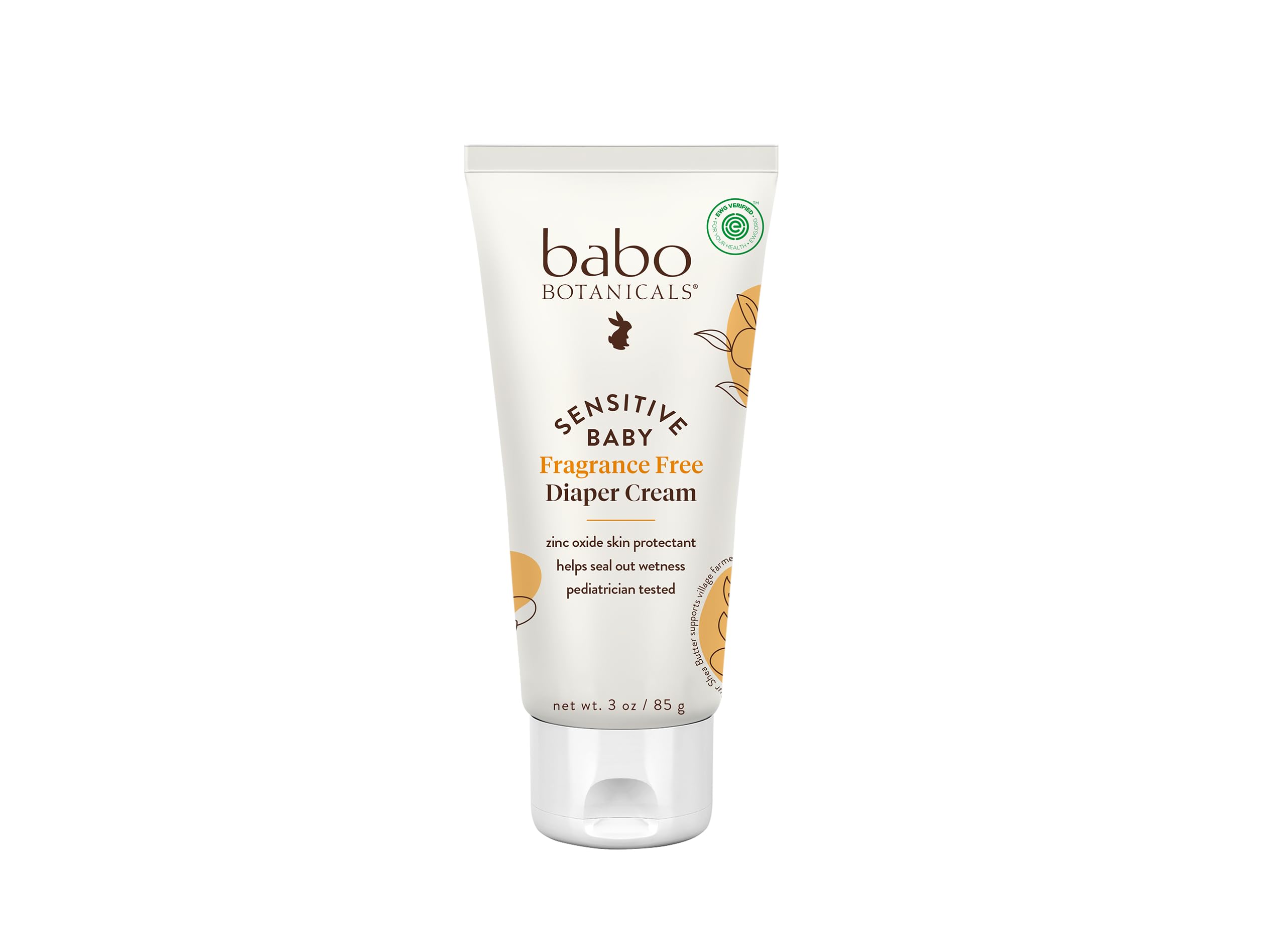
The Babo Botanicals Sensitive Baby Fragrance-Free Diaper Cream takes a higher-concentration approach with 25% non-nano zinc oxide. This plant-based formula incorporates colloidal oatmeal, shea butter, and cocoa butter for comprehensive skin nourishment.
EWG Verified and vegan, this cream requires manual application but allows precise control over coverage. The thicker consistency creates a robust protective barrier, and it's cloth diaper friendly. The inclusion of colloidal oatmeal specifically targets calming and nourishing very sensitive newborn skin.
Key Differences That Matter
- Zinc concentration: Babo Botanicals specifies 25% zinc oxide, while Mustela includes zinc oxide without stating the percentage
- Application speed: Spray format saves time during changes with squirmy babies
- Barrier strength: Traditional cream texture may provide thicker coverage for overnight protection
- Ingredient focus: Mustela emphasizes avocado; Babo highlights oatmeal and multiple butters
- Certifications: Babo carries EWG verification and B Corp certification
Who Should Choose the Spray Format
The spray works well for parents dealing with extremely tender rashes where touching causes discomfort, babies who fight diaper changes, or situations requiring quick application. It's also practical for daycare settings or when multiple caregivers handle changes.
Who Should Choose Traditional Cream
Traditional cream suits parents who want maximum zinc oxide concentration, need cloth diaper compatibility, prefer tactile control during application, or prioritize organic and vegan formulations with third-party safety verification.
The Bottom Line
Both products prevent and treat diaper rash effectively but serve different practical needs. The spray offers convenience and minimal contact during application, while the traditional cream provides higher documented zinc concentration and more intensive barrier protection. Your choice depends on whether application method or ingredient strength matters more for your specific situation.
Related Buying Guides
- Cup Holder Upgrades for Parents Who Live in Their Car
- Best Baby Feeder for Mess-Free Self-Feeding Practice
- Baby Silicone Placemat Not Staying Put? How to Fix the 5 Most Common Mealtime Mat Problems
- How to Pick a Nursing Cover That Keeps Eye Contact With Your Baby
- Giraffe Baby Laundry Basket Review: Cute Meets Functional in the Nursery
- Need a Replacement Swaddle? Why the Love to Dream Swaddle UP Is the One to Reorder