What Makes Waterproof Labels Actually Waterproof? Understanding Polypropylene Bottle Labels
Learn what makes waterproof labels truly water-resistant, why polypropylene matters, and how to choose durable write-on labels that won't peel or smudge when wet.
What Are Waterproof Labels and Why Do They Matter?
Waterproof labels are adhesive labels designed to resist moisture, oils, and temperature changes without peeling, smudging, or deteriorating. Unlike paper labels that disintegrate when exposed to water, true waterproof labels use synthetic materials like polypropylene that repel liquids while maintaining a writable surface.
These labels matter when you're organizing bottles, containers, or products that will be refrigerated, frozen, washed, or exposed to humidity. If you've ever watched a handwritten label turn to mush in a fridge or seen ink run after a splash, you understand why material choice is critical.
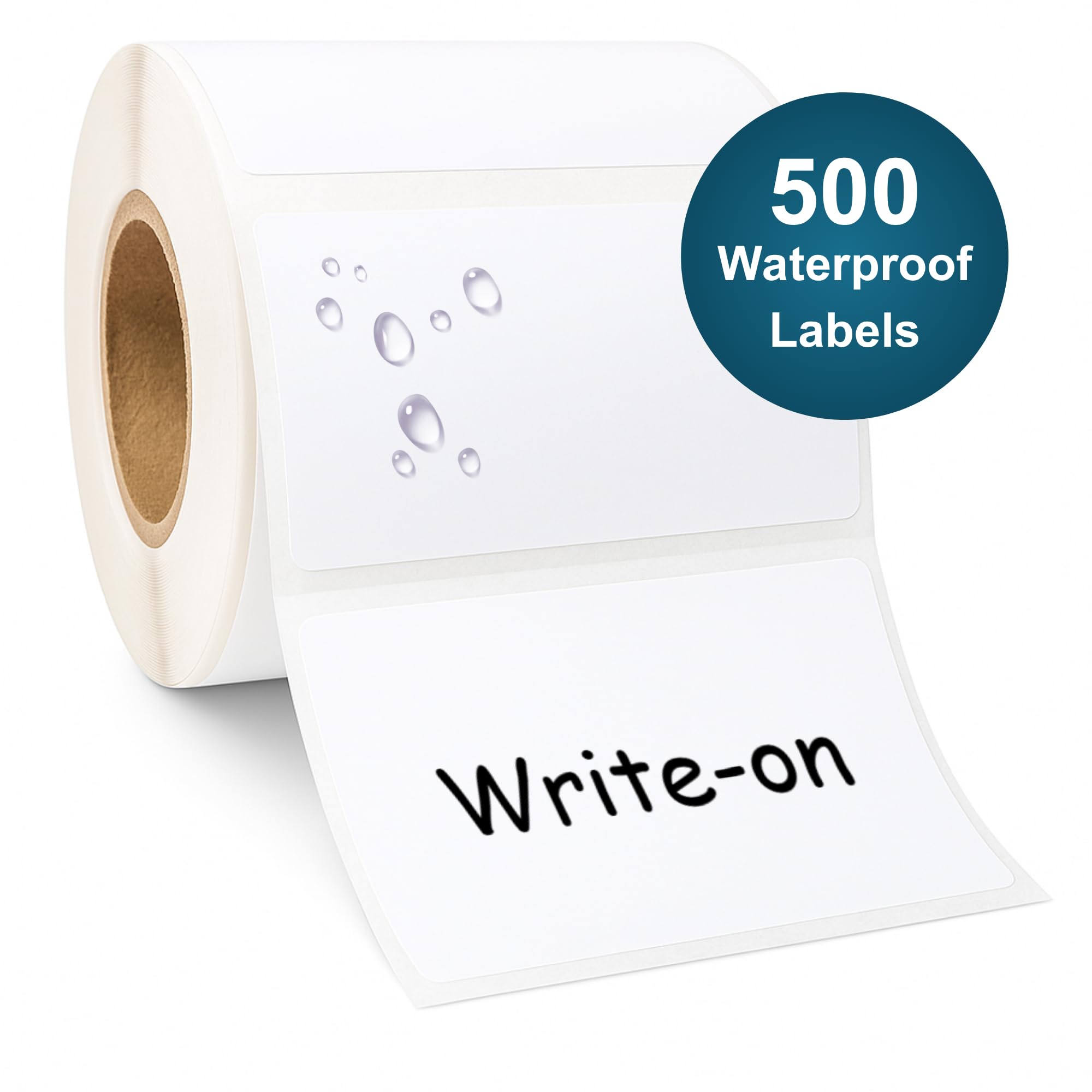
Why Polypropylene Is the Gold Standard
Polypropylene is a durable plastic film that forms the base of high-quality waterproof labels. It doesn't absorb water, resists tearing, and maintains flexibility in cold environments. This material allows you to write on the label with permanent markers, ballpoint pens, or printers without the ink bleeding through or washing away.
The Mermed Premium Waterproof Labels use polypropylene construction with a smooth writable surface, making them suitable for home kitchens, warehouses, retail shops, and medical offices. At 70mm x 40mm, they fit standard bottles and jars while providing enough space for clear identification.
How to Evaluate Waterproof Labels Before Buying
When comparing waterproof labels, focus on these characteristics:
- Material: Polypropylene or vinyl outperform paper. Avoid labels described only as "water-resistant" if you need full submersion protection.
- Adhesive type: Permanent adhesive ensures labels stay put through washing, condensation, and handling. Removable adhesives are useful for temporary applications but won't survive harsh conditions.
- Surface compatibility: Check that the adhesive works on your target surfaces—glass, plastic, metal, and cardboard all behave differently.
- Writability: Confirm the label accepts your preferred writing tool. Some coatings reject ballpoint ink or require specific markers.
- Size and quantity: Match label dimensions to your containers. Buying in bulk (like 500-count rolls) reduces cost per label for frequent users.
Who Should Use Polypropylene Waterproof Labels
These labels work best for anyone organizing items exposed to moisture: home canners labeling jars, parents marking kids' water bottles, small business owners labeling products, or warehouse staff tracking inventory in cold storage. The Mermed labels rated 4.3 out of 5 stars offer a balance of durability and affordability at the latest price for 500 labels.
Skip waterproof labels if you only need temporary identification for dry environments—standard paper labels cost less and work fine when moisture isn't a factor.
Related Buying Guides
- How to Keep Pantry and Storage Labels from Peeling or Smudging
- How to Choose Waterproof Labels for Bottles: A Buyer's Guide
- How to Choose Waterproof Labels for Bottles: Material, Adhesive & Size Guide
- Mermed Waterproof Bottle Labels Review: 500-Count Writable Polypropylene Stickers for Home and Office
- Cup Holder Upgrades for Parents Who Live in Their Car
- Best Baby Feeder for Mess-Free Self-Feeding Practice