When to Replace Your Baby's Feeding Utensils: Signs Every Parent Should Know
Baby feeding utensils don't last forever. Knowing when to replace worn spoons, forks, and feeding sets helps maintain safety and hygiene as your child grows.
Baby feeding utensils take a beating. Between bites, drops, dishwasher cycles, and teething gnaws, even quality toddler spoons and forks eventually show their age. But when exactly should you replace them?
Unlike adult silverware that lasts decades, children's feeding tools have a shorter lifespan due to softer materials, smaller parts, and daily wear from enthusiastic little hands. Knowing the warning signs helps you maintain both safety and hygiene standards.
Clear Signs Your Toddler Utensils Need Replacing
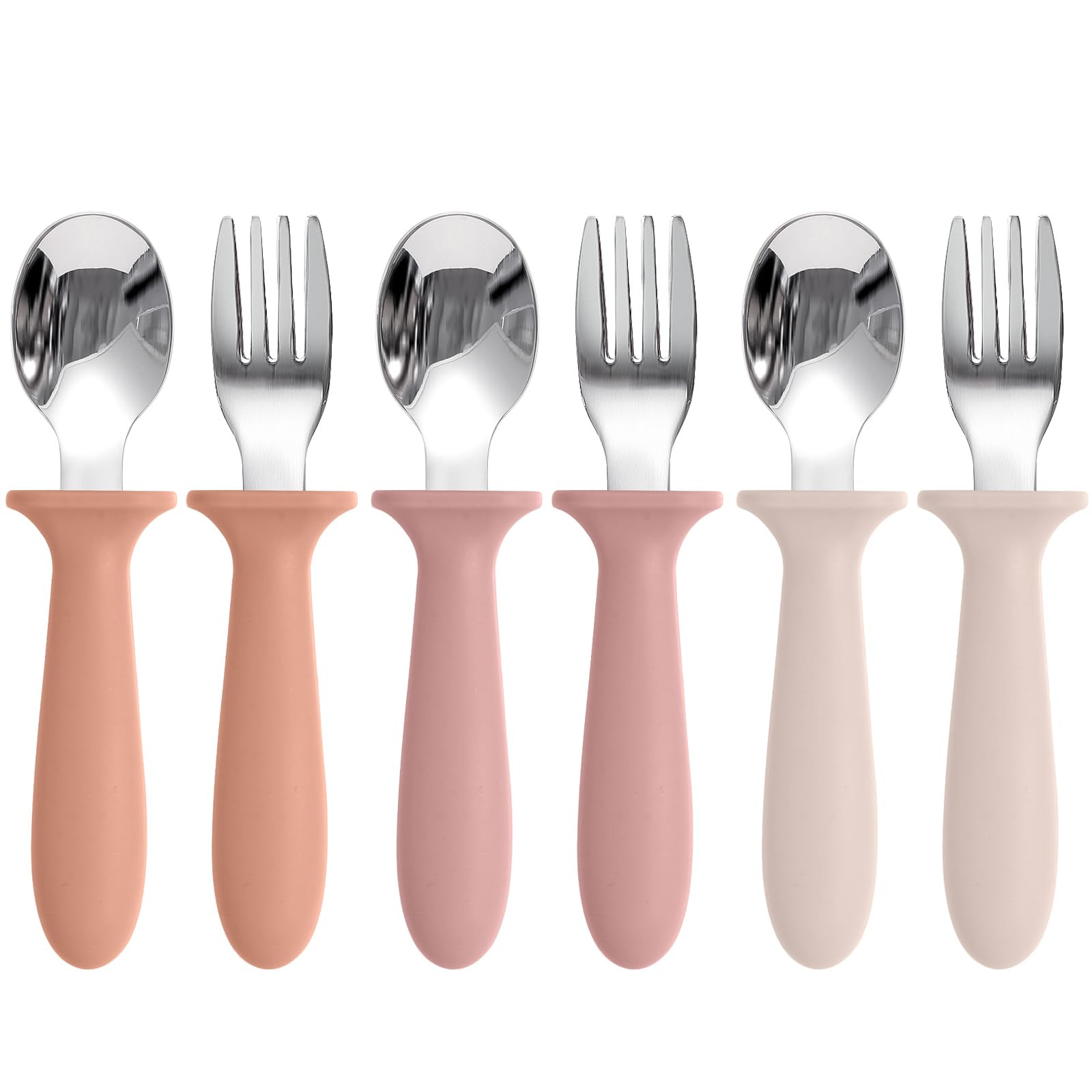
Silicone handles can crack or tear after repeated dishwasher exposure. The Toddler Spoons and Forks Set from Eascrozn features food-grade silicone combined with 18/8 stainless steel, but even durable materials degrade over time.
Watch for these key indicators:
- Visible cracks or splits in silicone handles or protective barriers
- Discoloration that doesn't wash away, indicating material breakdown
- Rough edges on metal portions that could scratch delicate mouths
- Loose parts where silicone separates from metal components
- Persistent odors despite thorough cleaning
- Surface degradation that feels sticky or rough to touch
How Material Quality Affects Replacement Timing
The construction determines longevity. Sets made with BPA-free silicone and quality stainless steel typically outlast cheaper alternatives. The Toddler Spoons and Forks Set includes rounded edges and narrow spoon tines designed for safety, features that maintain their shape better than thin plastic equivalents.
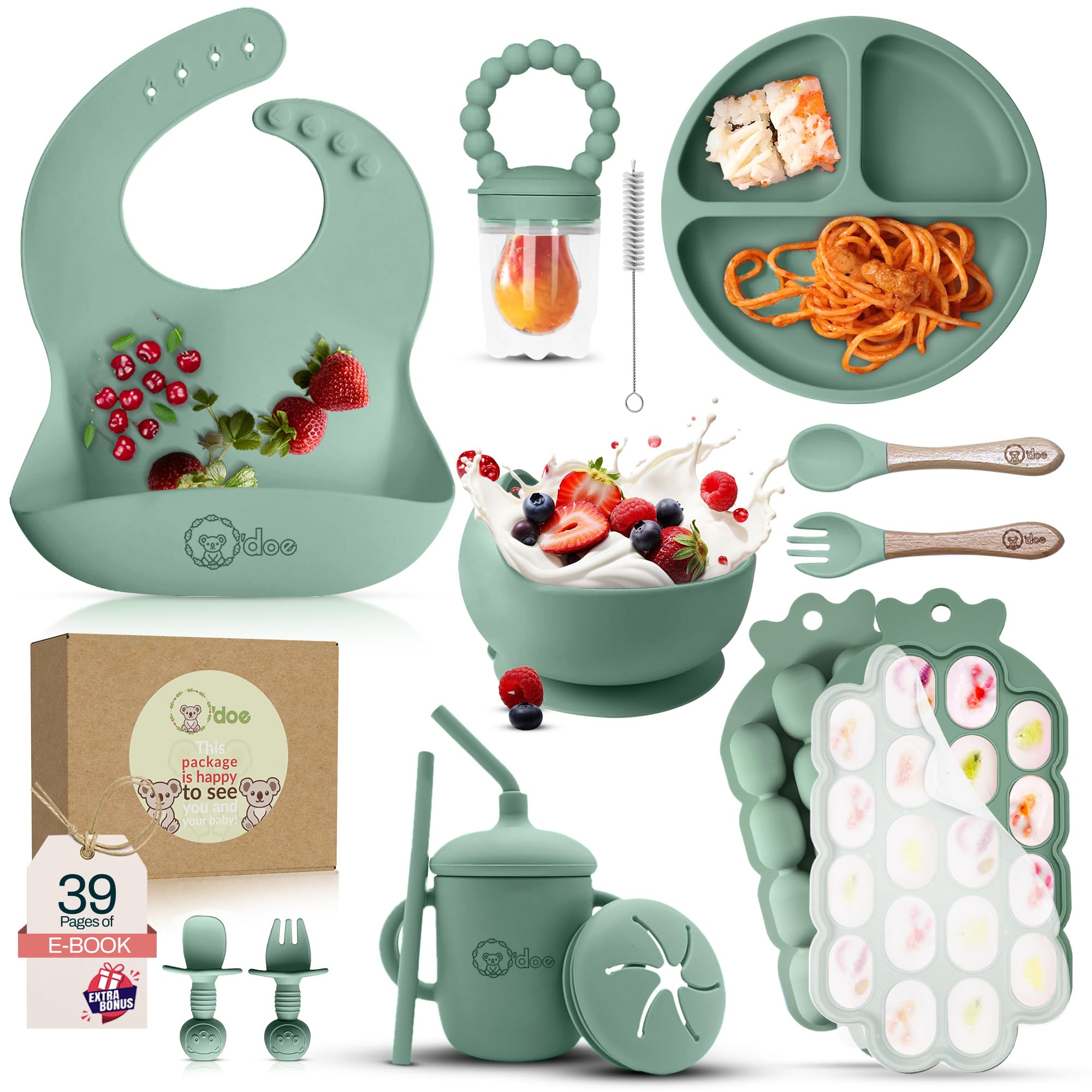
Comprehensive feeding sets often include multiple item types with different replacement schedules. The O'doe Baby Weaning Set comes with 15 pieces including suction plates, bowls, bibs, sippy cups, and utensils. Each component ages differently based on usage intensity.
Practical Replacement Timeline Guidelines
| Item Type | Typical Lifespan | Inspection Frequency |
|---|---|---|
| Silicone-handled utensils | 6-12 months with daily use | Monthly |
| Suction plates and bowls | 8-15 months | Every 2 months |
| Silicone bibs | 12-18 months | Monthly |
| Sippy cups with silicone spouts | 6-9 months | Every 2 weeks |
Extending Utensil Life Through Proper Care
Hand washing extends lifespan beyond dishwasher cleaning, though both the Toddler Spoons and Forks Set and O'doe Baby Weaning Set are dishwasher safe. Avoid abrasive scrubbers that accelerate surface wear.
Store utensils separately to prevent scratching between metal components. Air dry thoroughly before storage to prevent bacterial growth in silicone crevices.
Safety Considerations That Override Wear
Replace immediately if you notice sharp edges, loose parts that could detach, or any structural compromise regardless of age. The protective barrier between handle and tip on the Toddler Spoons and Forks Set prevents utensils from going too far into a child's mouth, but this feature loses effectiveness if damaged.
Children who are teething may accelerate wear by chewing on handles. Inspect after each meal during intense teething phases.
The Verdict: When Regular Replacement Makes Sense
Most toddler utensils need replacement within their first year of daily use. Quality materials delay this timeline but don't eliminate it. Budget for replacement sets annually, or keep backup sets on hand when you notice early wear signs.
Multi-piece sets like the O'doe Baby Weaning Set provide built-in redundancy since individual pieces wear at different rates. Having multiple spoons and forks means you can rotate them while extending overall set life.
Who Should Prioritize Frequent Replacement
Parents of aggressive chewers or children with sensory preferences should inspect more frequently. Daycare providers managing multiple children need stricter replacement schedules due to higher use intensity.
Who Can Extend Replacement Intervals
Families using utensils only for specific meals or rotating multiple sets can safely extend timelines. Older toddlers who've moved past the aggressive throwing and chewing stages cause less accelerated wear.
Related Buying Guides
- Cup Holder Upgrades for Parents Who Live in Their Car
- Best Baby Feeder for Mess-Free Self-Feeding Practice
- Baby Silicone Placemat Not Staying Put? How to Fix the 5 Most Common Mealtime Mat Problems
- How to Pick a Nursing Cover That Keeps Eye Contact With Your Baby
- Giraffe Baby Laundry Basket Review: Cute Meets Functional in the Nursery
- Need a Replacement Swaddle? Why the Love to Dream Swaddle UP Is the One to Reorder