When Your Toddler Refuses to Wear a Backpack: Gentle Transition Strategies
Backpack resistance is common in toddlers ages 2-4. The right lightweight design and gradual introduction techniques can transform reluctant carriers into confident little adventurers ready for preschool.
Many parents encounter the same frustrating scenario: you've purchased a perfectly sized backpack for preschool, but your toddler refuses to wear it. The straps come off immediately, tears begin, or they simply ignore it completely. This resistance is completely normal for children ages 2-4 who are still developing independence and autonomy.
The issue often stems from unfamiliar sensations, perceived heaviness, or simply asserting control. Rather than forcing the situation, understanding why toddlers resist and choosing appropriate gear makes the transition smoother for everyone involved.
Why Toddlers Resist Wearing Backpacks
Sensory sensitivity plays a significant role. Young children may find standard backpack straps uncomfortable, restrictive, or too firm against their shoulders. Weight distribution matters tremendously at this age—even a few extra ounces can feel burdensome to a small frame.
Control and autonomy drive much of toddler behavior. When children feel forced into wearing something unfamiliar, natural resistance increases. Additionally, if the backpack feels too large or slides around, it creates physical discomfort that reinforces their refusal.
Choosing a Backpack That Encourages Acceptance
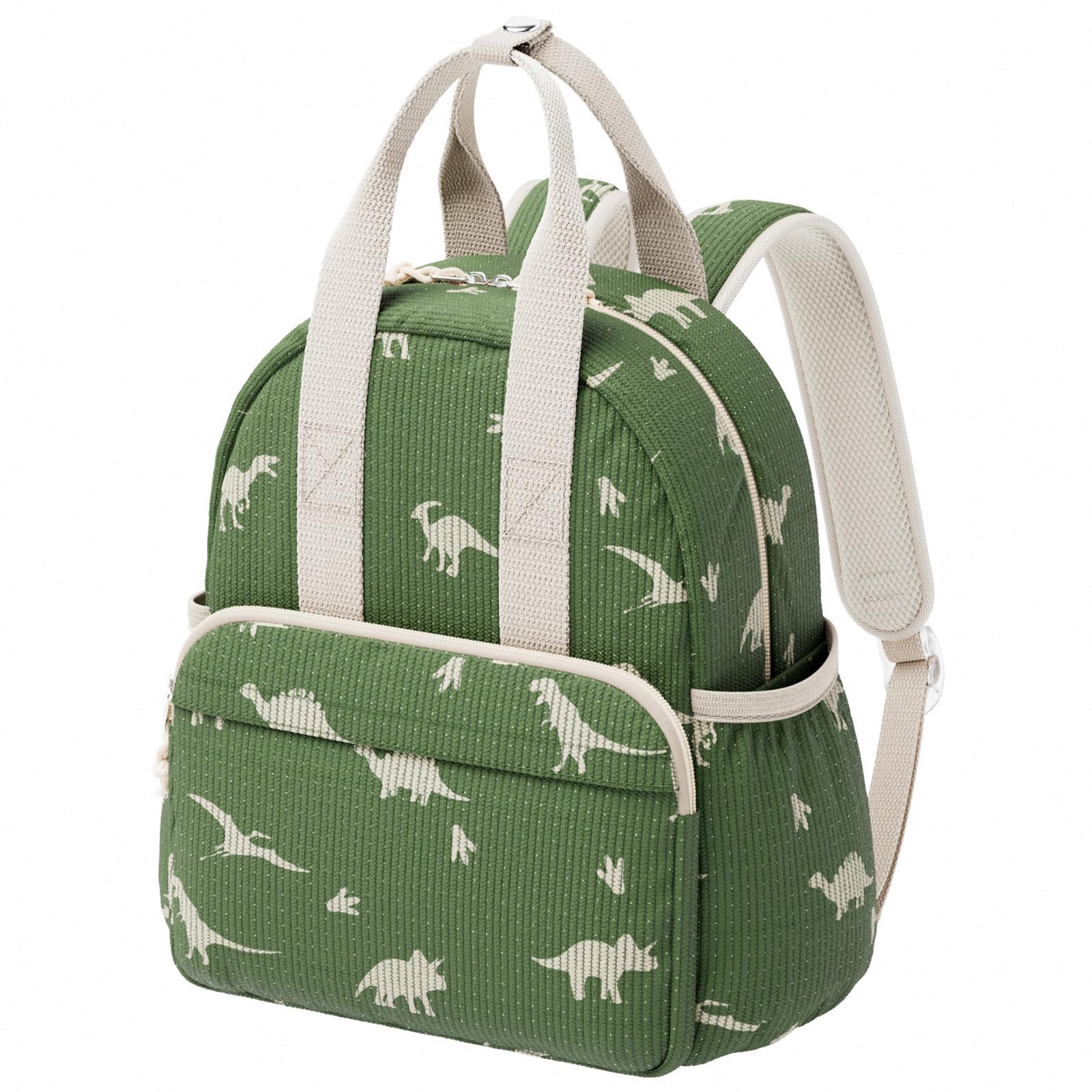
The Corduroy Toddler Backpack for Preschool Boys Girls Ages 2-4 addresses many common resistance points. Its 8.5×4.5×12-inch dimensions are specifically scaled for little bodies, preventing the overwhelming feeling of carrying something too large.
The softly padded shoulder straps make a noticeable difference in comfort. Unlike stiff nylon straps that dig into shoulders, these adjustable straps distribute weight gently and grow with your child. The dual grab handles also give parents and children multiple carrying options during the adjustment period.
Water-resistant corduroy fabric feels softer against clothing than traditional synthetic materials. The main compartment fits a lunch bag and small toys without creating excessive bulk, while two side pockets and a front zip pocket keep essentials organized.
Check Current PriceGradual Introduction Techniques That Work
Start by letting the backpack exist in your child's space without pressure. Place it in their room or play area for several days. Allow them to explore it, put toys inside, and carry it around the house when they choose.
Make the backpack part of pretend play. Stuffed animals can wear it first, or you can demonstrate wearing your own bag while your toddler watches. Keep these interactions positive and pressure-free.
Building Positive Associations
- Let your child choose what goes inside—a favorite small toy or snack creates ownership
- Practice wearing it for short periods during fun activities like trips to the park
- Avoid using the backpack during stressful transitions initially
- Praise effort rather than perfection when they attempt to wear it
- Consider starting with just one strap if two feels overwhelming
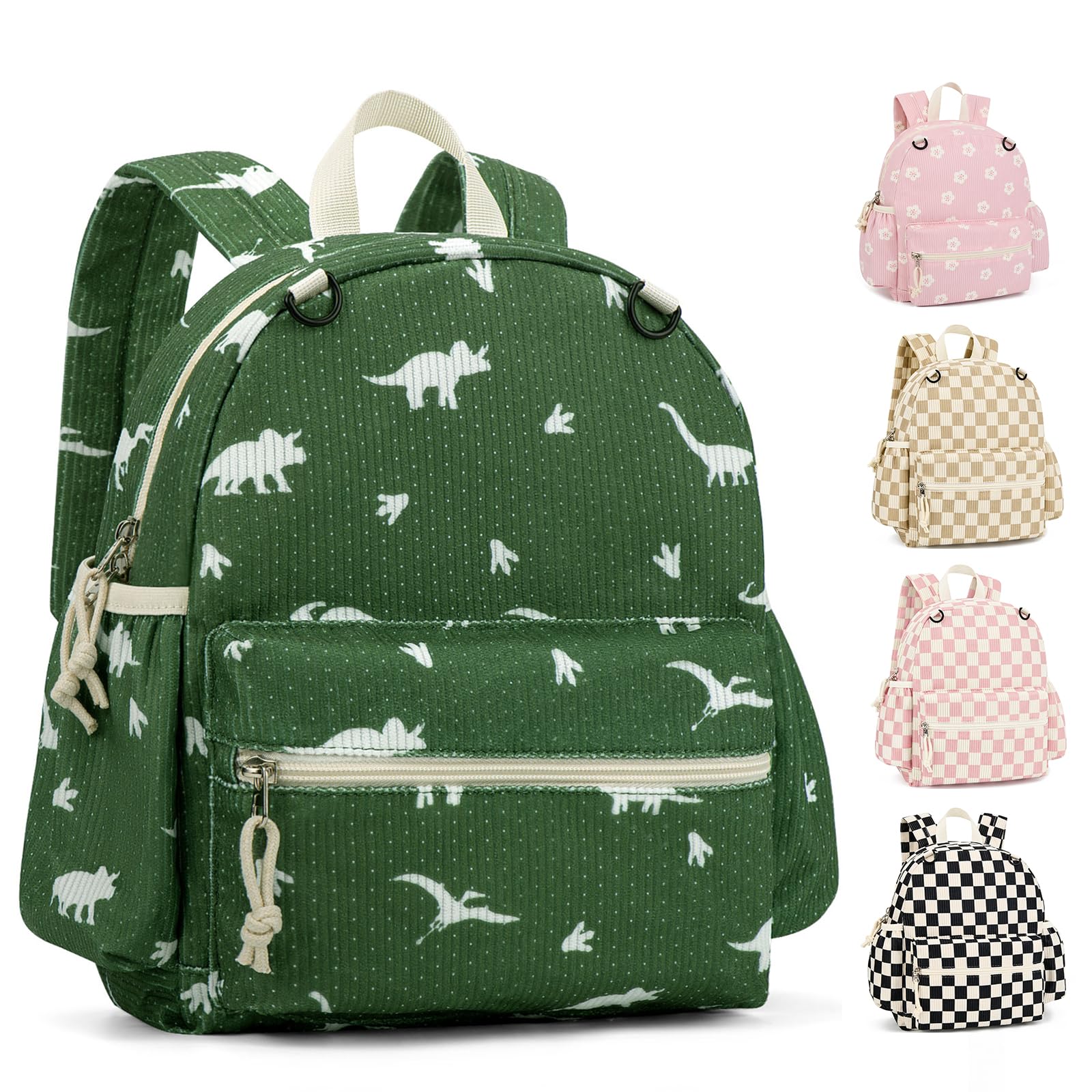
The Corduroy Toddler Backpack for Boys & Girls, Kids Backpacks offers a similarly gentle approach with its soft corduroy construction and lightweight design. The toddler-friendly size prevents the backpack from feeling like adult equipment forced onto a small child.
This version accommodates everyday essentials like snacks, small books, and wipes without creating bulk. The simple design works well for children who feel overwhelmed by too many zippers or pockets during the learning phase.
View This OptionWhen to Seek Alternative Approaches
If resistance continues beyond two weeks of gentle introduction, evaluate whether the backpack truly fits properly. Straps that require maximum adjustment or bags that hang below the waist create legitimate discomfort.
Some children with sensory processing differences may need occupational therapy guidance for backpack tolerance. If your child shows distress with other clothing items or consistently avoids certain textures, consult your pediatrician about sensory concerns.
Balanced Verdict
Both corduroy options provide age-appropriate sizing and comfortable features that reduce common resistance triggers. The soft fabric, lightweight construction, and properly padded straps address the physical discomfort that often causes toddlers to reject backpacks. Neither bag will force acceptance, but they remove unnecessary barriers to successful wearing.
The water-resistant coating and reinforced stitching mean these bags withstand the learning curve as toddlers practice carrying their belongings. At this price point, parents can approach the transition without significant financial pressure if multiple attempts are needed.
These Work Well For:
- Children ages 2-4 starting preschool or daycare who need appropriately sized gear
- Toddlers sensitive to heavy or stiff materials who require softer alternatives
- Parents implementing gradual backpack introduction strategies
- Families seeking lightweight options that won't overwhelm small frames
Consider Alternatives If:
- Your child needs to carry larger items like full-size lunchboxes or multiple books
- You require completely waterproof construction rather than water-resistant fabric
- Your toddler is particularly tall or large for their age and needs bigger dimensions
- You prefer structured bags with more organizational compartments
The transition from backpack resistance to comfortable wearing rarely happens overnight. Patience, appropriate gear, and understanding developmental stages create the foundation for success. When physical comfort aligns with emotional readiness, most toddlers naturally progress toward independent carrying.
Related Buying Guides
- Cup Holder Upgrades for Parents Who Live in Their Car
- Best Baby Feeder for Mess-Free Self-Feeding Practice
- Baby Silicone Placemat Not Staying Put? How to Fix the 5 Most Common Mealtime Mat Problems
- How to Pick a Nursing Cover That Keeps Eye Contact With Your Baby
- Giraffe Baby Laundry Basket Review: Cute Meets Functional in the Nursery
- Need a Replacement Swaddle? Why the Love to Dream Swaddle UP Is the One to Reorder