Electric vs Manual Nasal Aspirators: Which Style Works Best for Your Baby?
Choosing between an electric nasal aspirator and a manual one depends on your baby's needs and your household routine. We break down the key differences to help you decide which style delivers the relief your little one needs.
When your baby's nose is congested, clearing it quickly and comfortably becomes a top priority. The two main approaches—electric and manual nasal aspirators—each offer distinct advantages. Understanding how they differ helps you choose the right tool for your family's routine and your child's comfort level.
Electric Nasal Aspirators: Powered Convenience
Electric models deliver consistent suction at the press of a button, removing the guesswork from mucus removal. The GROWNSY Nasal Aspirator for Baby, Electric Nose Aspirator for Toddler, Baby Nose Sucker, Automatic Nose Cleaner with 3 Silicone Tips, Adjustable Suctions, Music and Light Soothing Function (Green) exemplifies this category with three adjustable suction levels, allowing you to start gently and increase power as needed.
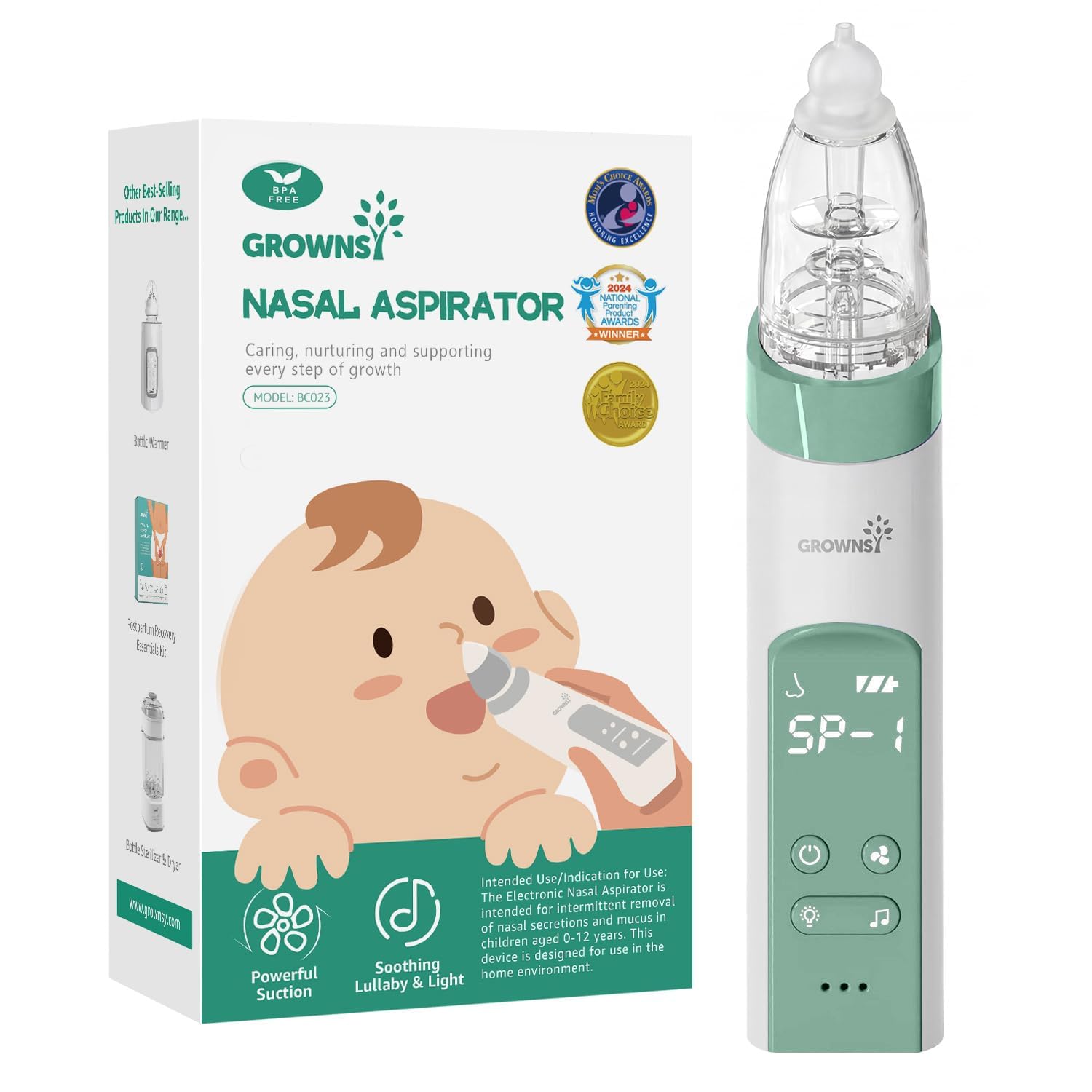
This electric option includes three food-grade silicone tips sized for different ages, plus light and music features that distract fussy babies during cleaning. The larger suction chamber reduces how often you need to empty it, and USB rechargeable power means up to 30 days of use per charge. A storage case keeps everything organized for travel or quick access at home.
Check Electric Aspirator PriceKey Electric Features
- Adjustable suction strength for newborns through toddlers
- Ultra-quiet motor operation
- Rechargeable battery with long runtime
- Entertainment features to ease the process
- Hands-free operation after positioning
Manual Nasal Aspirators: Simple and Direct
Manual aspirators rely on parent-controlled suction, giving you precise feedback and immediate control. The Frida Baby NoseFrida SnotSucker for Baby, Nasal Aspirator for Baby, Nose Sucker Baby Nasal Aspirator for Baby, Congestion Relief with 24 Extra Hygiene Filters creates a seal at the nostril's exterior without any internal insertion, letting you gauge exactly how much suction to apply.
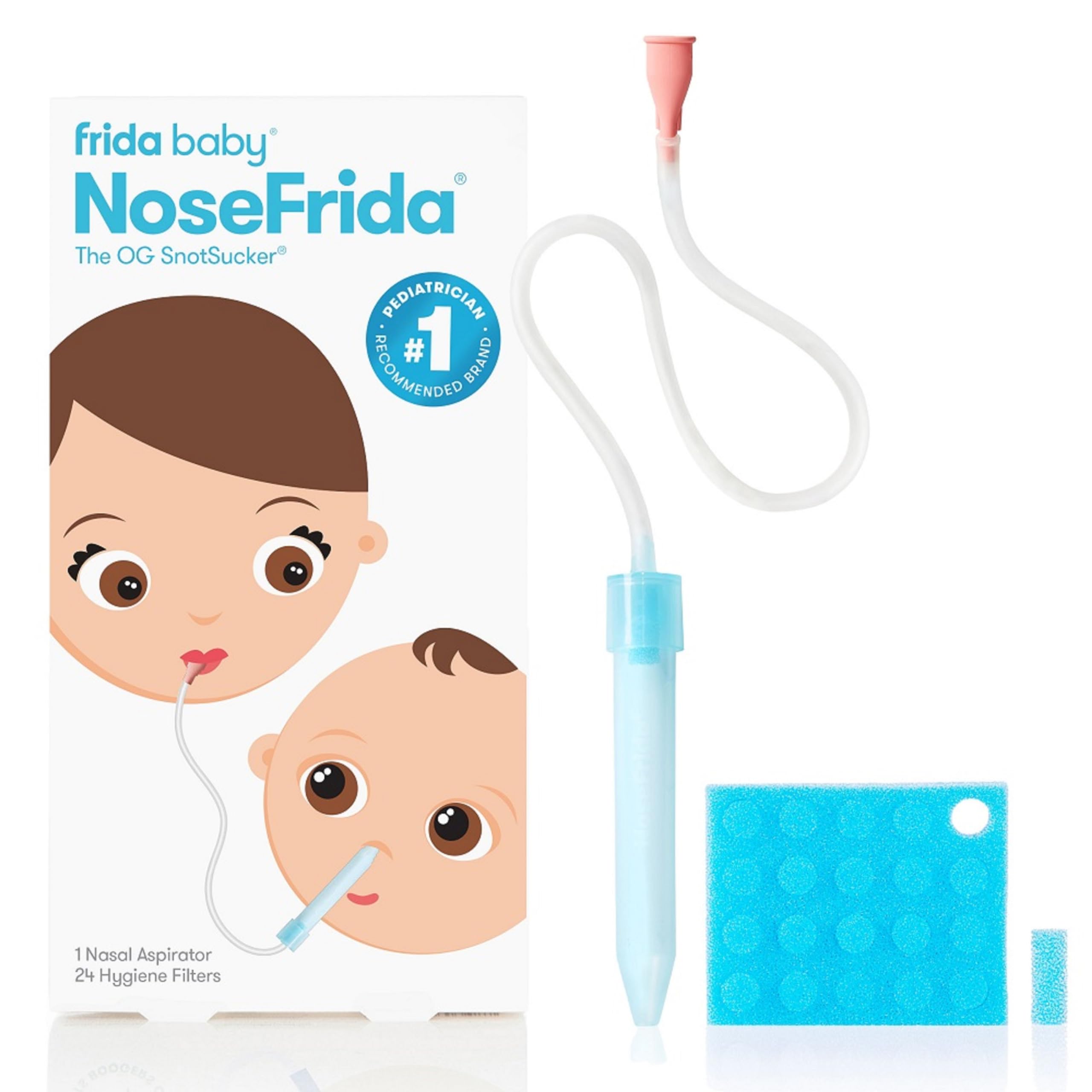
This manual design comes with 24 disposable hygiene filters that trap mucus in the barrel, preventing any transfer. The blue nasal tube, red mouthpiece, and filter cap are dishwasher safe, and the clear tube cleans easily with isopropyl alcohol. Safe from birth onward, it works especially well when paired with saline spray for stubborn congestion. It also qualifies for FSA and HSA reimbursement.
View Manual Aspirator DetailsKey Manual Features
- Parent-controlled suction intensity
- Non-invasive external seal design
- No batteries or charging required
- Compact and travel-friendly
- Immediate tactile feedback during use
Comparing Performance and Practicality
| Feature | Electric | Manual |
|---|---|---|
| Suction Control | Preset levels | Direct feedback |
| Power Source | Rechargeable battery | Parent suction |
| Maintenance | Charging, chamber cleaning | Filter replacement, dishwasher safe |
| Portability | Includes storage case | Lightweight, no batteries |
| Soothing Features | Music and lights | Quick, familiar routine |
The Balanced Verdict
Electric aspirators excel when you need consistent, adjustable power and appreciate features that distract or soothe your baby. They work well for parents managing multiple congestion episodes or those who prefer a one-handed, automated approach. Manual aspirators shine when you want direct control, instant feedback, and a simple tool that requires no charging or complex cleaning. They're ideal for quick relief and travel situations.
Who Should Choose Electric
Parents dealing with frequent colds, those who value entertainment features during care routines, and families who prefer rechargeable devices over disposable supplies. Electric models suit households where multiple caregivers might use the device with varying comfort levels.
Who Should Choose Manual
Caregivers who want immediate tactile feedback, prefer minimal gear, or travel often without reliable charging access. Manual aspirators work well for parents comfortable with direct suction control and those seeking a lower-cost, FSA-eligible option.
Both approaches effectively clear nasal congestion when used correctly. Your choice comes down to whether you prioritize automated convenience or hands-on control during your baby's care routine.
Related Buying Guides
- Cup Holder Upgrades for Parents Who Live in Their Car
- Best Baby Feeder for Mess-Free Self-Feeding Practice
- Baby Silicone Placemat Not Staying Put? How to Fix the 5 Most Common Mealtime Mat Problems
- How to Pick a Nursing Cover That Keeps Eye Contact With Your Baby
- Giraffe Baby Laundry Basket Review: Cute Meets Functional in the Nursery
- Need a Replacement Swaddle? Why the Love to Dream Swaddle UP Is the One to Reorder