How to Keep Your Baby's VTech Sit-to-Stand Walker Clean and Working Smoothly
Simple maintenance tips to keep your VTech Sit-to-Stand Learning Walker clean, safe, and fully functional. Learn how to clean, inspect, and care for this popular baby walker.
Keeping Your VTech Walker in Top Shape
The VTech Sit-to-Stand Learning Walker is a workhorse in many households, helping babies transition from crawling to walking while providing hours of interactive play. With daily use comes the need for regular cleaning and simple maintenance to keep it safe, hygienic, and fully functional.
Weekly Cleaning Routine
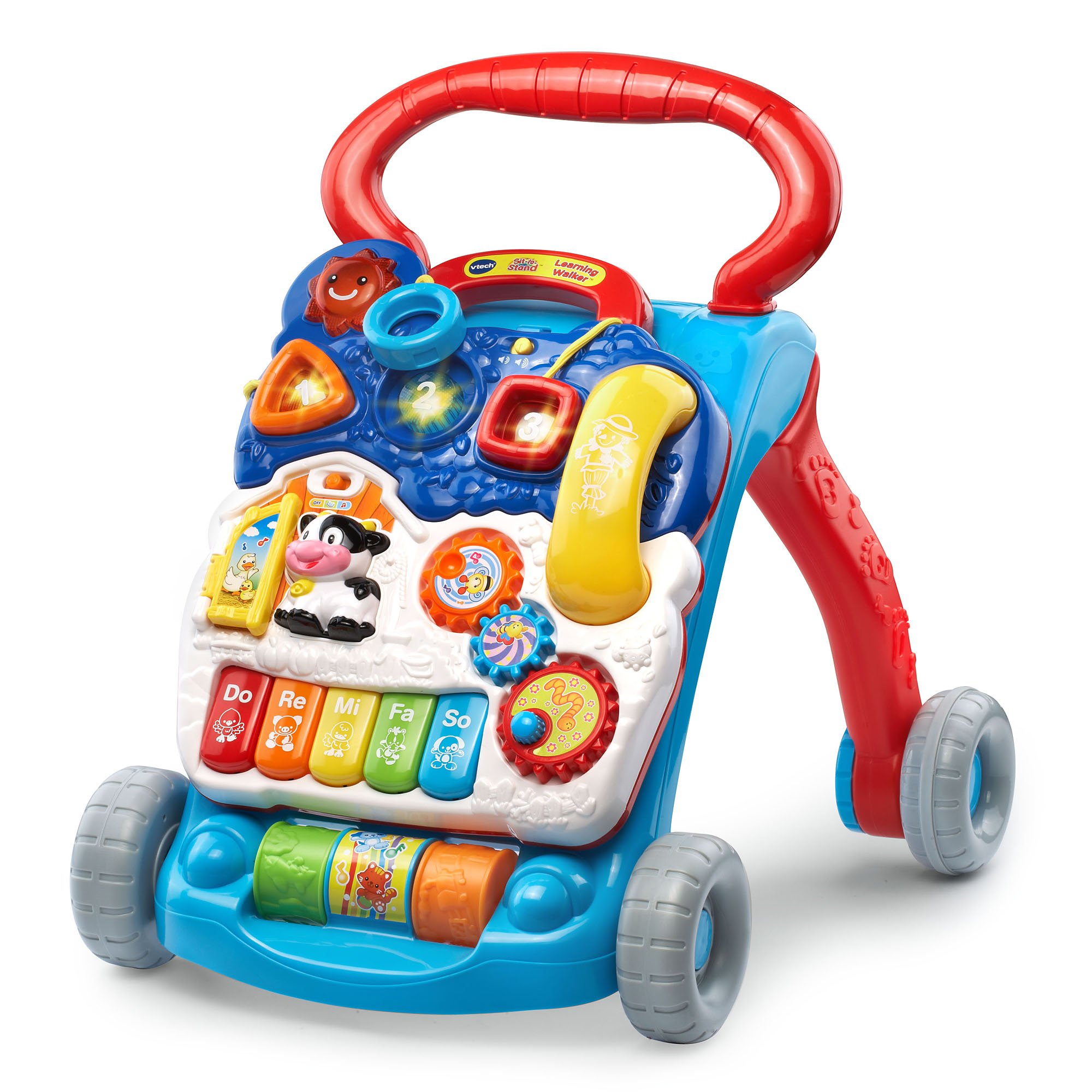
Start by removing the detachable activity panel from the walker base. Wipe down all plastic surfaces with a damp cloth and mild soap. Pay special attention to the piano keys, shape sorters, and spinning rollers—these high-touch areas collect drool, food residue, and sticky fingerprints quickly.
For the fabric or padded areas, if present, spot-clean with a gentle baby-safe cleaner. Avoid soaking electronic components. Use a dry microfiber cloth to polish the light-up buttons and screen areas.
Clean the wheels by turning the walker upside down and removing any hair, string, or debris wrapped around the axles. A damp cloth works for the wheel surface itself. This step is crucial for smooth rolling on both carpet and bare floors.
Monthly Inspection Checklist
- Check all screws and fasteners to ensure the walker frame is stable and secure
- Test the activity panel attachment—it should click firmly into place
- Inspect wheels for cracks or excessive wear
- Verify that all three shape sorters fit snugly and aren't cracked
- Test the piano keys and telephone handset for responsiveness
- Replace batteries if sounds become faint or distorted
Battery Care
The VTech walker runs on AA batteries. Replace them every 2-3 months with regular use, or sooner if you notice dimming lights or weak sound. Remove batteries if storing the walker for more than a month to prevent corrosion.
Storage Tips
If you're setting the walker aside between children, store it in a dry area away from direct sunlight. Wipe it down thoroughly before storage and remove the batteries. Cover with a light cloth to prevent dust buildup.
When to Replace
This walker is built to last, but watch for these signs: cracked wheel housings that affect stability, non-responsive electronics despite fresh batteries, or a loose frame that wobbles even after tightening screws. For normal wear and tear, simple cleaning and battery changes will keep it running smoothly through your baby's walking milestones.
Related Buying Guides
- VTech vs Bautia vs Skip Hop Baby Walker: Which Is Best for Your Child?
- VTech Sit-to-Stand Learning Walker Guide: What New Parents Should Know
- Skip Hop Baby Walker Not Moving? How to Fix Speed Control and Wheel Issues
- How to Keep Your VTech Sit-to-Stand Walker Rolling Smoothly
- Skip Hop vs Bautia vs VTech Baby Walker: Which One to Buy in 2026?
- Best Baby Walkers for Learning to Walk: Skip Hop vs Bautia vs VTech Compared