Teething Mitten vs Traditional Teether: Which One Works Better?
Choosing between a teething mitten and a traditional teether depends on your baby's age and motor skills. We compare these two popular approaches to help you decide which teething solution works best for your little one.
When your baby reaches the teething stage, you'll encounter two distinct approaches to relief: teething mittens that strap onto little hands, and traditional handheld teethers. Both serve the same goal, but they work in fundamentally different ways.
Understanding which option suits your baby comes down to their developmental stage, motor skills, and personal preferences. Let's compare these two teething solutions side by side.
The Teething Mitten Approach
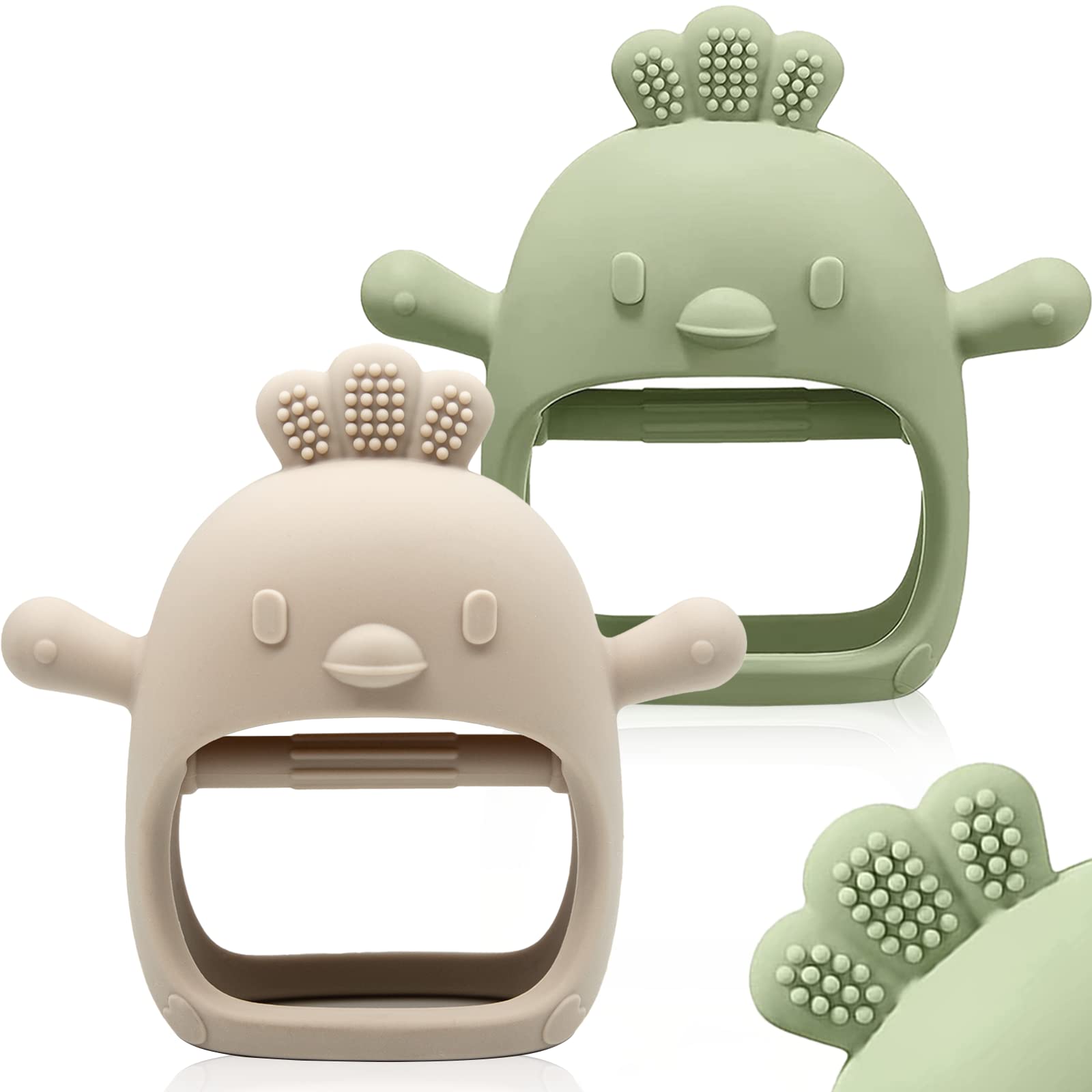
The 2 Pack Baby Teething Toy Silicone Teething Mitten for Babies Over 3 Months represents the wearable category. This approach straps directly onto your baby's hand, making it impossible to drop.
The ChooKaChoo mitten features an inner bar that gives babies something to grasp while the textured silicone surface sits on top of their hand. The design includes bumps and textures that massage sore gums when babies naturally bring their hands to their mouths.
Key Features of the Mitten Design
- Anti-drop wrist attachment keeps teether accessible
- Inner grip bar helps babies hold on
- Character arms mimic a nipple for additional soothing
- BPA-free food grade silicone construction
- Dishwasher and freezer safe for easy cleaning
- Comes in a 2-pack with different colors
The Traditional Handheld Teether
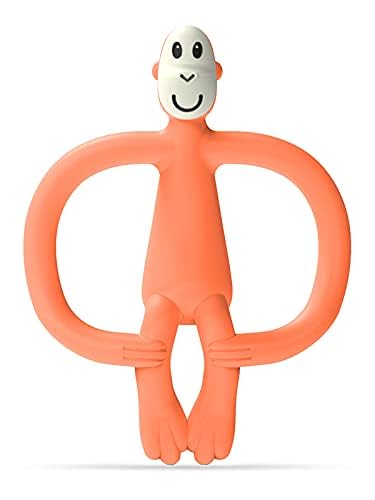
The Matchstick Monkey Silicone Teether & Gel Applicator takes the traditional handheld route. This 4-inch monkey-shaped teether requires babies to grip and manipulate it themselves.
The Matchstick Monkey offers multiple textured surfaces across its body. The back of the head features soft bumps designed both for gum massage and as an applicator surface for teething gels. The arms and legs provide different textures for babies to explore.
Key Features of the Handheld Design
- Lightweight, flexible silicone for easy gripping
- Textured bumps double as gel applicator
- Multiple surfaces reach different gum areas
- Built-in BioCote protection resists odors and staining
- Supports early motor skill development through manipulation
- Suitable for various cleaning methods including dishwasher
Side-by-Side Comparison
| Feature | Teething Mitten | Traditional Teether |
|---|---|---|
| Grip Required | Minimal – straps on | Yes – baby must hold it |
| Drop Prevention | Built-in wrist attachment | None – will drop frequently |
| Motor Skill Development | Limited | Encourages grasping and manipulation |
| Gel Application | Not designed for this | Textured back serves as applicator |
| Best Age Range | 3-6 months | 3 months and up |
| Price | Around the latest price for 2-pack | Around the latest price for single |
Our Balanced Verdict
Both teething solutions deliver effective gum relief through textured silicone surfaces. The choice depends entirely on your baby's developmental stage and your daily routines.
Teething mittens excel during the earliest months when babies lack the coordination to hold objects consistently. They eliminate the frustration of constantly retrieving dropped teethers and work well during car rides or stroller walks.
Traditional handheld teethers become more practical as babies develop better motor control. They offer more targeted relief since babies can position them precisely where discomfort occurs, and they encourage the hand-eye coordination needed for self-feeding later on.
Who Should Choose the Teething Mitten
The 2 Pack Baby Teething Toy Silicone Teething Mitten works best for:
- Babies under 6 months who cannot reliably grip objects
- Parents tired of picking up dropped teethers every few minutes
- Families who spend significant time in cars or strollers
- Babies who prefer sucking their hands for comfort
Who Should Choose the Traditional Teether
The Matchstick Monkey Silicone Teether suits:
- Babies over 6 months with developing fine motor skills
- Parents who use teething gels and want an applicator
- Families focused on encouraging independent play
- Babies who show interest in holding and manipulating toys
Many parents find success using both types at different stages or even simultaneously as their baby grows and develops new abilities.
Related Buying Guides
- Cup Holder Upgrades for Parents Who Live in Their Car
- Best Baby Feeder for Mess-Free Self-Feeding Practice
- Baby Silicone Placemat Not Staying Put? How to Fix the 5 Most Common Mealtime Mat Problems
- How to Pick a Nursing Cover That Keeps Eye Contact With Your Baby
- Giraffe Baby Laundry Basket Review: Cute Meets Functional in the Nursery
- Need a Replacement Swaddle? Why the Love to Dream Swaddle UP Is the One to Reorder