Toddler Won't Use Utensils? How the Right Fork and Spoon Set Helps
Struggling with toddler utensil refusal? Learn why sized-right forks and spoons with grip-friendly handles make self-feeding easier and more appealing.
Why Your Toddler Refuses Utensils
If your toddler pushes away forks and spoons or reverts to hands during meals, the problem often isn't stubbornness—it's equipment. Adult-sized or poorly designed utensils feel clumsy in small hands, making self-feeding frustrating instead of fun. Common causes include handles that are too thin to grip confidently, utensil heads too large for small mouths, or metal that feels uncomfortable against gums.
What Makes Toddler Utensils Actually Work
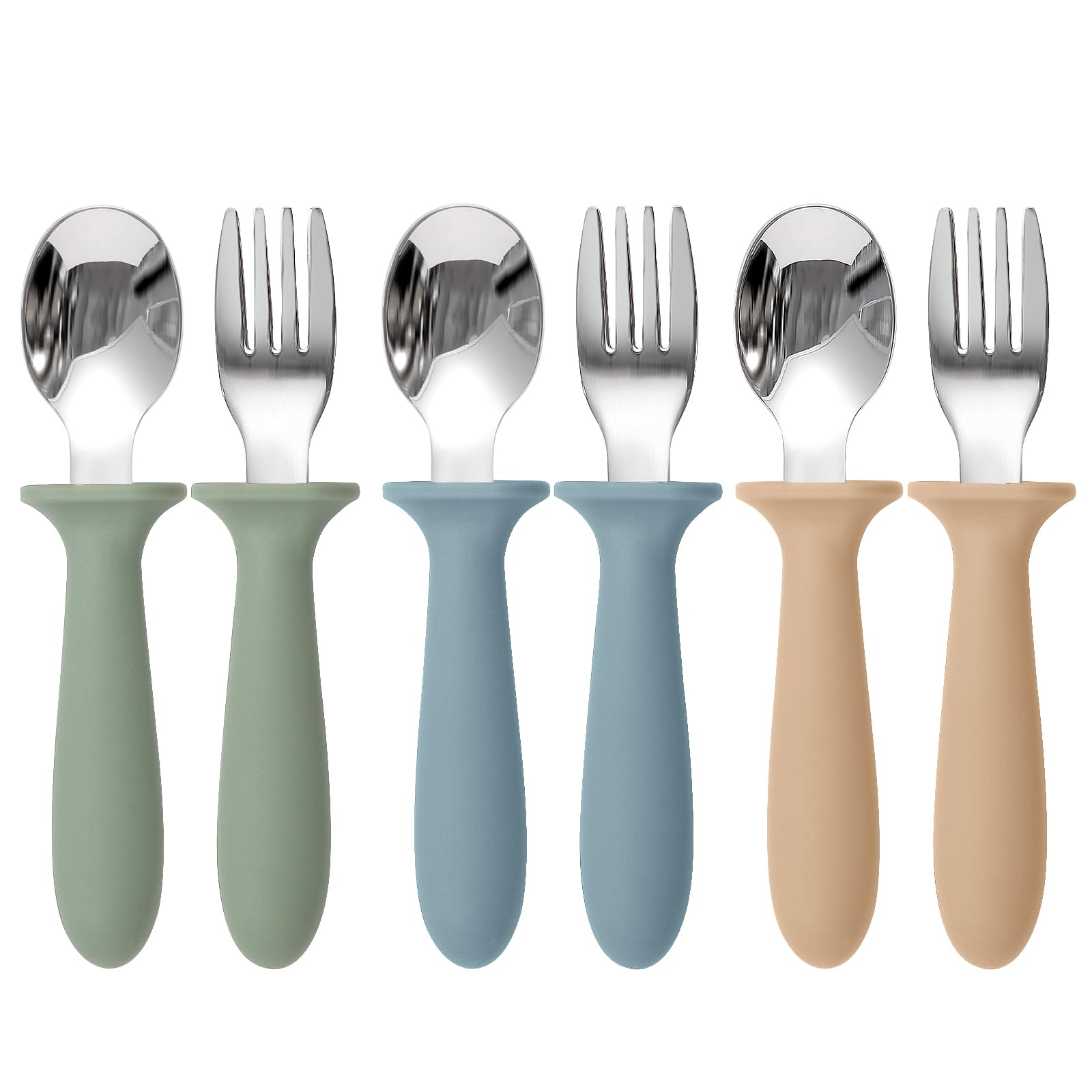
Properly designed toddler flatware addresses these issues with three key features: thick silicone handles that prevent slipping, appropriately sized heads that fit comfortably in a toddler's mouth, and rounded edges that won't poke or scrape. The grip matters more than parents realize—a handle that's easy to hold gives toddlers the control they need to successfully get food from plate to mouth, which builds confidence and reduces mealtime battles.
A Practical Solution: Eascrozn Toddler Utensils
The Eascrozn Toddler Utensils set includes three forks and three spoons made from 18/8 stainless steel with thick silicone non-slip handles. Each utensil features rounded edges with no sharp points, sized specifically for toddlers learning to self-feed. The three-color variety (often more engaging than single-color sets) can help maintain interest during the learning phase.
The handles are designed for small hands—not miniature adult handles, but grips that match a toddler's palm width and finger strength. The utensil heads hold an appropriate portion size for small mouths, which reduces overloading and the frustration that comes with it. At the latest price for a six-piece set, the value is practical for families who need backups or want to keep sets in different locations.
Who This Works For
- Toddlers aged 12–36 months starting self-feeding
- Children who struggle with standard utensils due to grip or size issues
- Parents looking for dishwasher-safe, durable options that don't need constant replacement
Limitations to Consider
These are learning utensils, not transition silverware for older preschoolers. If your child is already proficient with utensils and ready for more grown-up flatware, these may feel too chunky. The silicone handles, while helpful for grip, add bulk that confident eaters may outgrow around age three or four.
Making the Switch
Introduce the new utensils during a low-pressure meal, not when your toddler is overly hungry. Let them explore the utensils by touch before expecting them to use them. Pair the new tools with foods that are easy to spear or scoop—soft cooked vegetables, pasta, or cut fruit work well. Consistency matters more than perfection; expect messy attempts as part of the learning curve.
Related Buying Guides
- JELLDJK 24-Piece Silicone Baby Feeding Set: FAQ for Parents Starting Baby-Led Weaning
- Best Toddler Utensils for Self-Feeding: Eascrozn 6-Pack Silverware Set
- Complete Baby Led Weaning Set: 24-Piece Silicone Feeding Kit Review
- Cup Holder Upgrades for Parents Who Live in Their Car
- Best Baby Feeder for Mess-Free Self-Feeding Practice
- Baby Silicone Placemat Not Staying Put? How to Fix the 5 Most Common Mealtime Mat Problems