How to Choose a Safe Montessori Baby Walker for Early Walkers
Learn what to look for in a baby walker for 6-12 month olds. Find wooden push walkers with activity centers that support safe, natural walking development.
Choosing the Right Baby Walker for Your Little One
When your baby starts pulling up and cruising, a push walker can encourage those first independent steps. The right walker offers stable support, engaging activities, and safety features that let your child explore movement at their own pace. Here's what to prioritize when shopping.
What to Look for in a Baby Walker
- Stable base: A wide, weighted design prevents tipping as babies lean and push
- Natural materials: Smooth wood with rounded edges reduces injury risk
- Activity panel: Built-in toys develop fine motor skills while keeping babies engaged
- Appropriate height: Handle should align with baby's chest when standing
- No batteries required: Simple mechanical toys encourage exploration without overstimulation
A Solid Choice for New Walkers
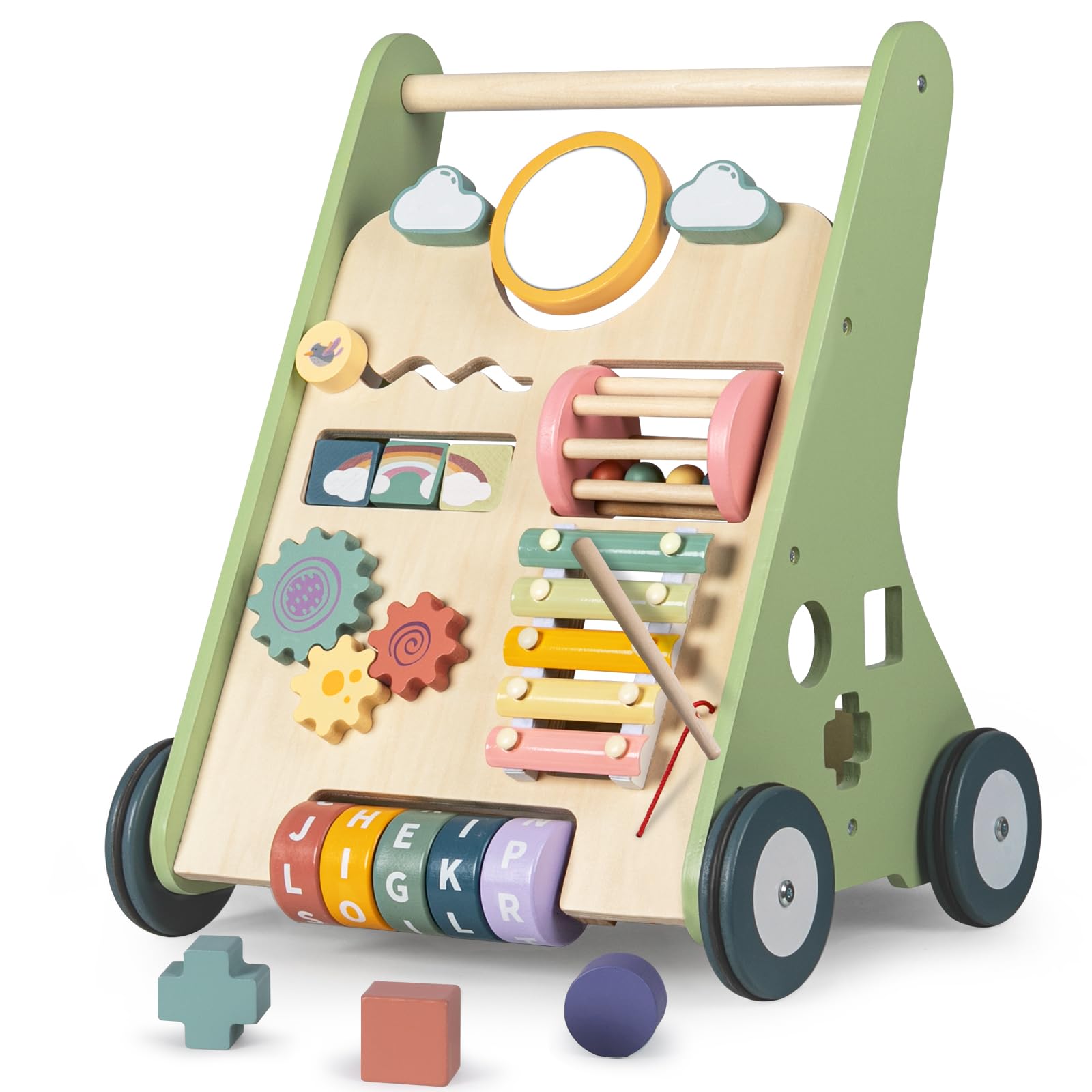
The Bautia Wooden Baby Walker combines push-walker support with a multi-activity center. Designed for babies 6-12 months, it features a rolling letter wheel, xylophone, flip board, and tracking games on the front panel. These activities work on hand-eye coordination while your child practices balance.
Made from natural wood with smooth, rounded edges, the Bautia walker offers a sturdy frame that won't tip easily. The built-in toys are mechanical—no batteries or screens—so your baby controls the pace of play. Parents appreciate the Montessori-inspired design that encourages independent movement without over-assistance.
Who This Walker Works For
This walker suits babies who are pulling up on furniture and showing readiness to cruise. It's ideal if you want a single piece that functions as both a walking aid and an activity center, saving space and money. The natural wood aesthetic fits well in living spaces where plastic toys feel out of place.
Who Should Skip It
If your baby isn't yet pulling to stand, they're not ready for a push walker. Very tall toddlers may outgrow the handle height quickly. Families wanting adjustable speed resistance should look for models with a friction wheel.
Common Mistake to Avoid
Many parents introduce walkers too early. Babies should be pulling up and cruising independently before using a push walker. Introducing one before they're ready can create dependence on the walker for balance rather than building natural core strength.
Related Buying Guides
- Is the Bautia Wooden Baby Walker Worth It? Common Questions Answered
- Best Wooden Baby Walker for Learning to Walk: Bautia Montessori Activity Walker Guide
- Best Baby Walkers Under $70: Top 3 Picks for Learning to Walk in 2026
- How to Help Your Baby Learn to Walk with a Montessori Push Walker
- 3 Best Baby Walkers for Early Development: Wooden, Electronic & Convertible Options Compared
- Best Natural Wood Alternative to Plastic Baby Walkers for 1 Year Olds