How to Clean and Maintain Your Baby's Finger Toothbrush – Complete Care Guide
Proper maintenance of your baby's finger toothbrush ensures safe, effective oral care. This guide covers cleaning methods, sterilization techniques, and storage tips to keep your infant's dental tools hygienic.
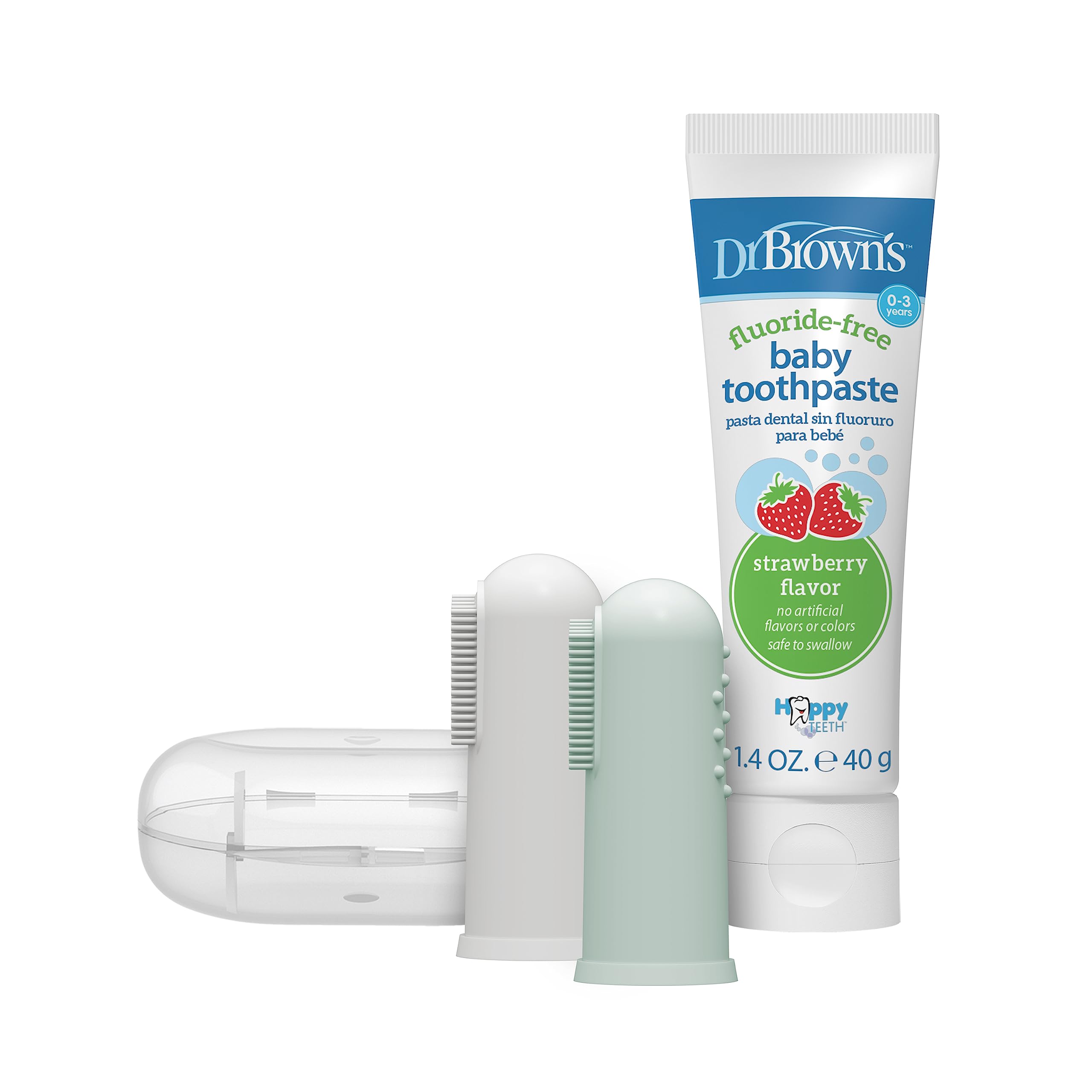
Introducing your baby to healthy oral hygiene starts with the right tools and proper maintenance. A finger toothbrush designed for infants requires regular cleaning and careful storage to protect your little one from harmful bacteria while keeping those emerging teeth and sensitive gums clean.
Why Regular Cleaning Matters
Baby finger toothbrushes come into contact with saliva, milk residue, and food particles. Without proper cleaning, bacteria can multiply quickly on the bristles and surface. Since babies have developing immune systems, maintaining a clean toothbrush becomes even more critical than it is for adults.
Daily Cleaning Routine
After each use, rinse the finger toothbrush thoroughly under warm running water. Gently rub the bristles with your fingers to remove any visible residue. For silicone toothbrushes like the Dr. Brown's 100% Silicone Baby Finger Toothbrush and Toothpaste Set, this simple rinse is usually sufficient for daily maintenance.
The dual-sided design with soft bristles and textured surfaces needs attention on both sides. Make sure to clean between the bristles where milk and toothpaste can hide.
Deep Cleaning Methods
Once or twice weekly, your baby's finger toothbrush needs more thorough sterilization. Here are proven methods:
- Dishwasher method: Place on the top rack only and run a normal cycle
- Boiling water: Submerge in boiling water for 3-5 minutes, then air dry completely
- Electric sterilizer: Follow manufacturer instructions for cycle time
- Microwave sterilizer: Use baby-safe microwave sterilizing containers as directed
The Dr. Brown's 100% Silicone Baby Finger Toothbrush and Toothpaste Set handles all these sterilization methods safely thanks to its BPA-free silicone construction designed for infants 3 months and older.
Proper Storage Practices
Always allow the toothbrush to air dry completely before storing. A protective case keeps the bristles clean between uses and makes the toothbrush travel-ready. Store it in a dry location away from bathroom moisture and other contamination sources.
The included storage case in sets like this one protects the brush while allowing air circulation, preventing mold growth that can occur in sealed containers.
When to Replace
Inspect the toothbrush weekly for signs of wear, discoloration, or damage. Replace immediately if you notice tears in the silicone, fraying bristles, or persistent odors that cleaning doesn't remove. Most finger toothbrushes need replacement every two to three months with regular use.
Who This Maintenance Routine Suits
This care approach works well for parents introducing solid oral hygiene habits from infancy, those managing multiple children's dental tools, and families who travel frequently and need portable cleaning solutions.
Who Should Consider Alternatives
If you prefer disposable options or lack access to sterilization equipment, traditional baby toothbrushes with replaceable heads might prove more practical for your household.
Final Verdict
Maintaining your baby's finger toothbrush requires minimal effort but delivers maximum protection. Regular rinsing, weekly sterilization, and proper storage keep oral care tools safe and effective. Budget-friendly complete sets that include protective cases simplify the process, giving you everything needed to establish healthy habits from the start.
Related Buying Guides
- Best Baby Feeder for Mess-Free Self-Feeding Practice
- Baby Silicone Placemat Not Staying Put? How to Fix the 5 Most Common Mealtime Mat Problems
- How to Pick a Nursing Cover That Keeps Eye Contact With Your Baby
- Giraffe Baby Laundry Basket Review: Cute Meets Functional in the Nursery
- Need a Replacement Swaddle? Why the Love to Dream Swaddle UP Is the One to Reorder
- Baby Brezza Universal Detergent Soap Tablets Features Explained: What Makes Them the Best Baby Detergent for Bottle Washers