How to Prevent and Treat Diaper Rash: A Simple Care Routine
Learn how to prevent and treat diaper rash with a proven care routine. Includes expert-approved product recommendations and practical tips for relief.
Understanding Diaper Rash
Diaper rash affects nearly every baby at some point. The combination of moisture, friction, and prolonged contact with urine or stool irritates delicate skin, causing redness and discomfort. While it's common, it doesn't have to be inevitable with the right prevention routine.
Prevention: The Best Defense
The most effective way to manage diaper rash is to prevent it before it starts. Change diapers frequently—ideally every two to three hours and immediately after bowel movements. Allow the skin to air dry completely before putting on a fresh diaper. Pat gently rather than wiping aggressively, especially when skin appears sensitive.
Apply a protective barrier cream at every diaper change. This creates a shield between skin and moisture, reducing irritation before it begins. Look for formulas with zinc oxide as the active ingredient—it's proven to protect and soothe.
Recommended Solution
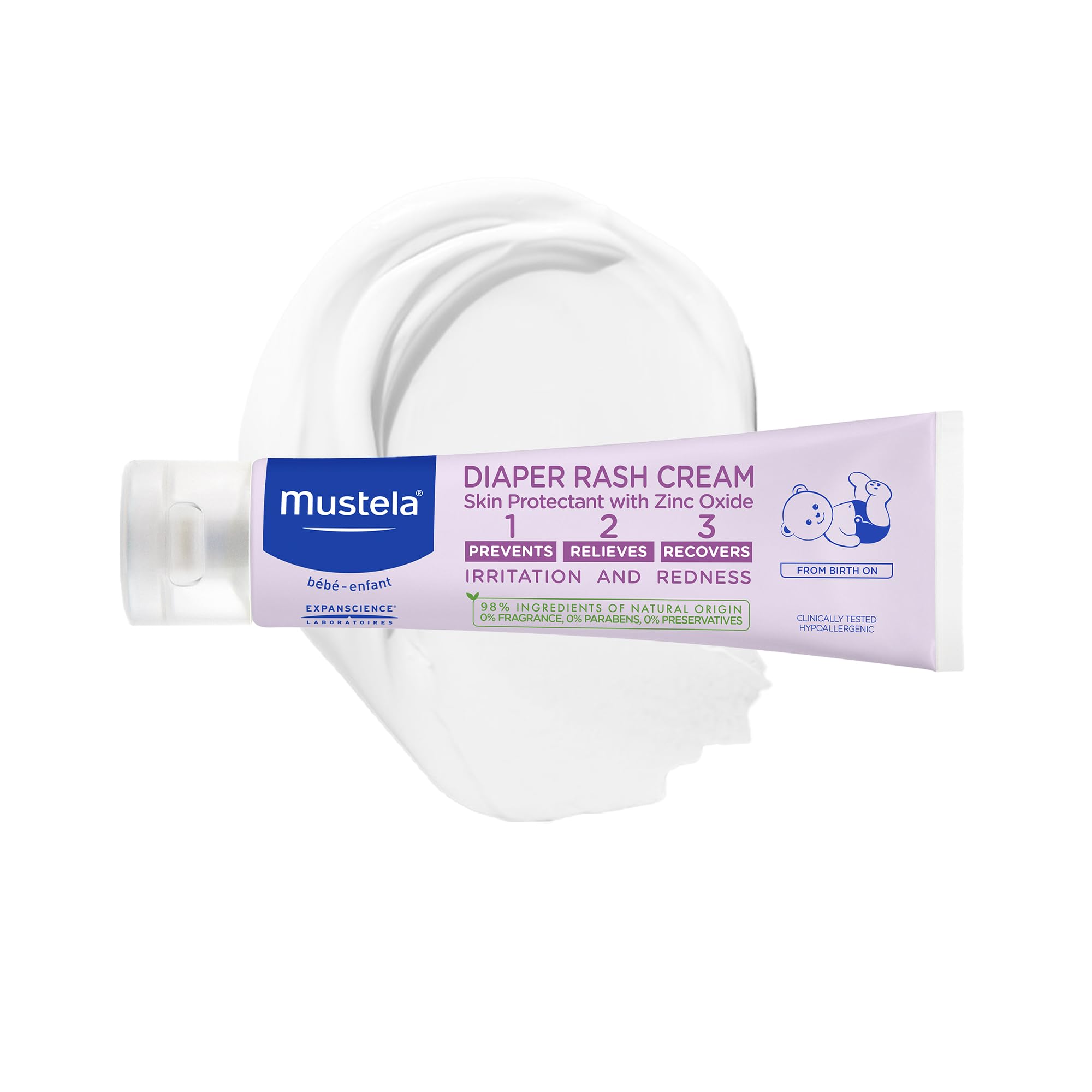
For both prevention and treatment, Mustela Baby Diaper Rash Cream 123 offers a clinically-tested approach. This fragrance-free formula contains 98% natural ingredients and uses zinc oxide as a skin protectant. In clinical studies, it showed an 80% reduction in irritation and redness from the first use, and it's approved by 100% of surveyed pediatricians and dermatologists for prevention.
The cream works in three steps: it prevents rash before it appears, relieves discomfort when redness starts, and repairs skin quickly. It's paraben-free and suitable for newborns and sensitive skin. At the latest price, it provides effective protection without harsh chemicals.
Treatment for Active Rash
If rash develops despite prevention efforts, increase diaper changes and apply a thicker layer of barrier cream. Let your baby go diaper-free for short periods when possible to promote healing. Avoid wipes with alcohol or fragrance—plain water on a soft cloth is gentler during flare-ups.
Most diaper rash clears within two to three days with consistent care. If redness spreads, develops blisters, or doesn't improve after three days of treatment, consult your pediatrician.
Who This Routine Works For
- Parents of newborns and infants
- Babies with sensitive skin prone to irritation
- Families seeking a gentle, pediatrician-approved solution
When to Try Another Approach
- If rash persists beyond three days despite treatment
- If your baby develops fever or signs of infection
- If rash appears outside the diaper area
Related Buying Guides
- Zinc Oxide in Diaper Cream: How It Protects Your Baby's Skin
- Mustela Baby Diaper Rash Cream 123: Your Diaper Rash Questions Answered
- How to Treat and Prevent Diaper Rash: A Simple Care Routine
- How to Treat and Prevent Diaper Rash with Zinc Oxide Cream
- How to Protect Your Baby's Skin from Diaper Rash with Zinc Oxide Cream
- How to Treat and Prevent Diaper Rash Fast: A Simple Care Routine