How to Protect Your Baby's Skin from Diaper Rash with Zinc Oxide Cream
Learn how to prevent and treat diaper rash using zinc oxide cream. Step-by-step guide to keeping your baby's sensitive skin protected and comfortable.
How to Prevent and Treat Diaper Rash with Zinc Oxide Cream
Diaper rash affects nearly every baby at some point, causing discomfort and irritation. A barrier cream with zinc oxide creates a protective layer between your baby's skin and moisture, helping prevent and heal redness. Here's how to use it effectively.
Step-by-Step Application
1. Clean the Diaper Area Thoroughly
Gently clean your baby's skin with warm water and a soft cloth or fragrance-free wipes. Pat the area completely dry before applying cream—moisture trapped under the barrier can worsen irritation.
2. Apply a Generous Layer
Squeeze a thick layer of zinc oxide cream onto your fingertips. Apply it evenly across the entire diaper area, focusing on creases and areas prone to redness. The cream should be visible on the skin, creating a white protective barrier.
3. Reapply with Every Diaper Change
Change soiled diapers promptly and reapply the cream each time. Consistent use keeps skin protected throughout the day and night. For active rashes, apply after each change until the skin heals.
4. Let Skin Breathe When Possible
Give your baby diaper-free time on a waterproof mat. Air exposure speeds healing while the zinc oxide works as a barrier during diaper wear.
Recommended Product
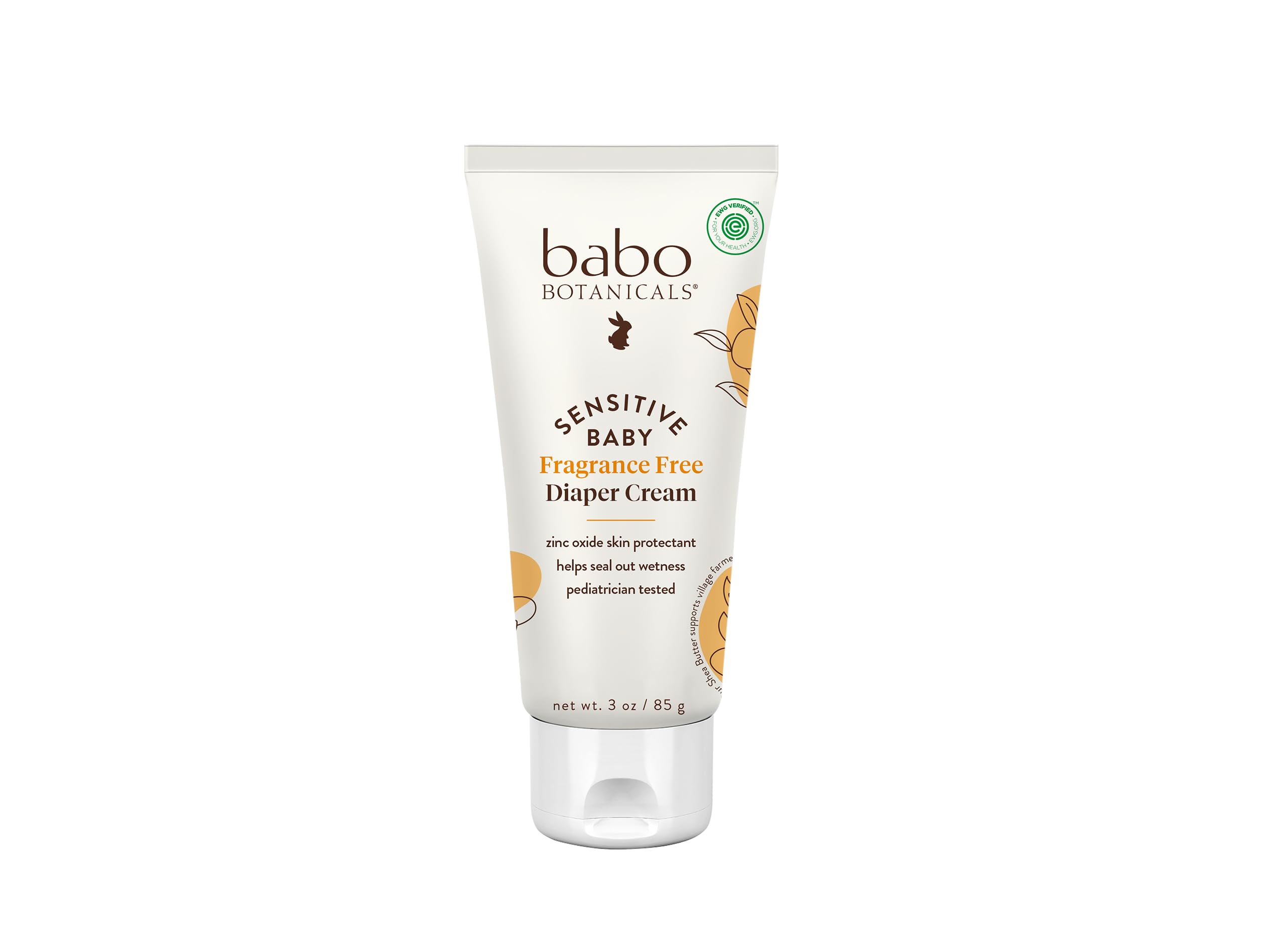
The Babo Botanicals Sensitive Baby Diaper Cream contains 25% non-nano zinc oxide to create a strong moisture barrier. It includes colloidal oatmeal to calm irritation, plus shea and cocoa butter for added moisture. The formula is fragrance-free and EWG Verified, making it suitable for newborns and babies with very sensitive skin.
What to Check Before Buying
- Zinc oxide concentration: Look for at least 10-25% for effective protection
- Fragrance-free formula: Reduces risk of irritation on sensitive skin
- Non-nano particles: Avoids potential absorption concerns
- Hypoallergenic certification: Safer for babies prone to allergies
- Consistency: Thick creams create better barriers than thin lotions
Who Should Use This Method
This approach works for all babies, especially newborns with delicate skin and those experiencing frequent rashes. Parents seeking clean, plant-based ingredients will appreciate formulas enriched with organic botanicals rather than petroleum-based products.
If your baby develops persistent rashes lasting more than three days, shows signs of infection like oozing or fever, or has severe bleeding or swelling, consult your pediatrician before continuing home treatment.
Related Buying Guides
- Zinc Oxide in Diaper Cream: How It Protects Your Baby's Skin
- Mustela Baby Diaper Rash Cream 123: Your Diaper Rash Questions Answered
- How to Treat and Prevent Diaper Rash: A Simple Care Routine
- How to Prevent and Treat Diaper Rash: A Simple Care Routine
- How to Treat and Prevent Diaper Rash with Zinc Oxide Cream
- How to Treat and Prevent Diaper Rash Fast: A Simple Care Routine