How to Treat and Prevent Diaper Rash: A Simple Care Routine
Learn how to quickly treat and prevent diaper rash with a simple care routine. Includes expert-approved solutions for relief and protection.
How to Treat and Prevent Diaper Rash: A Simple Care Routine
Diaper rash is one of the most common skin issues babies face, causing discomfort and distress for both baby and parent. The good news: with the right routine and product, you can prevent flare-ups and heal irritation quickly.
The Problem: Red, Irritated Skin
Diaper rash appears as red, inflamed patches on your baby's bottom, thighs, or genitals. It's usually caused by prolonged moisture, friction, or contact with urine and stool. Left untreated, mild redness can worsen into painful sores.
The Routine: Clean, Dry, Protect
Follow this three-step routine at every diaper change to keep your baby's skin healthy:
- Clean gently: Use warm water and a soft cloth or fragrance-free wipes. Pat dry completely—moisture is the enemy.
- Apply a barrier cream: Use a zinc oxide-based cream to create a protective layer between skin and moisture.
- Change frequently: Check diapers every two to three hours and change immediately after bowel movements.
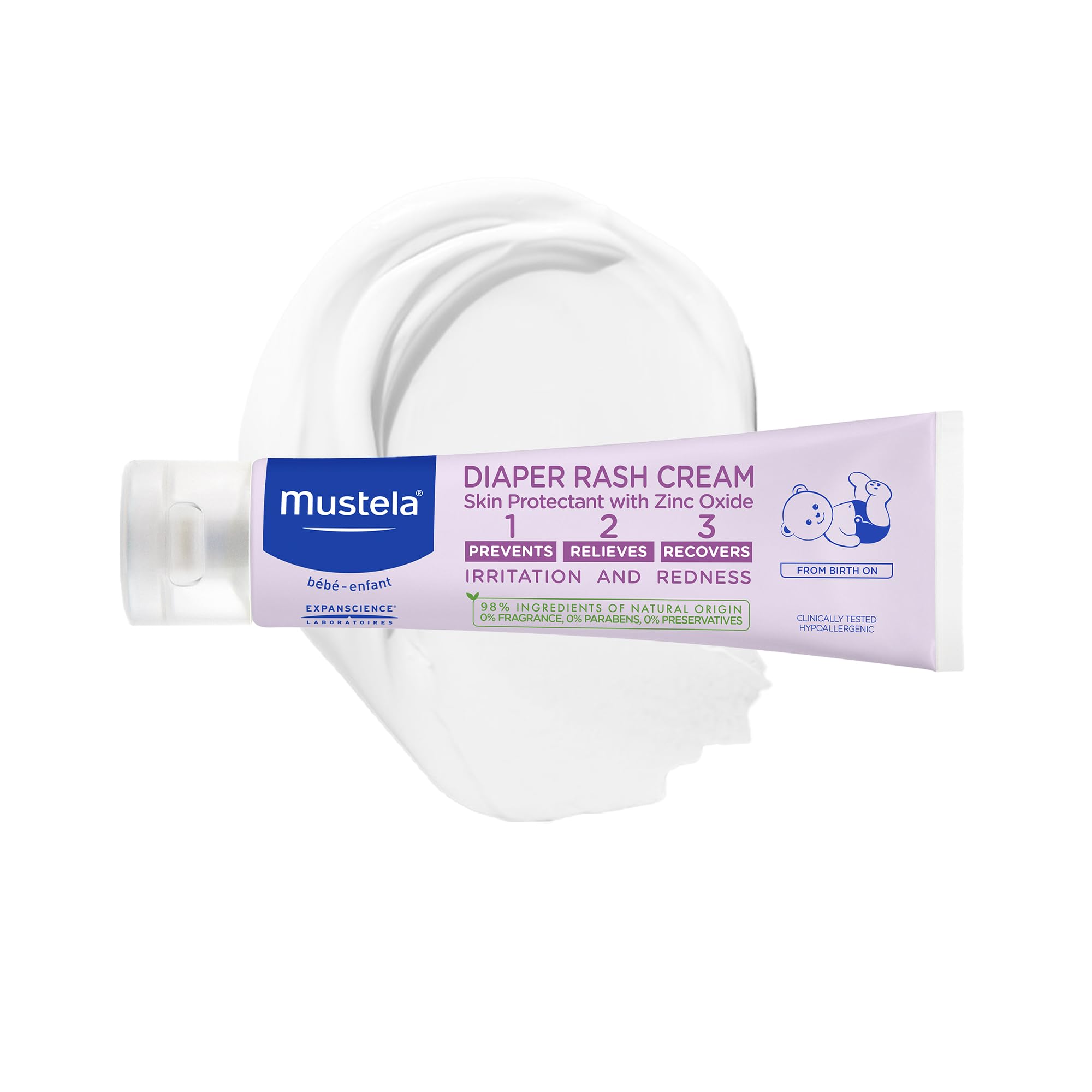
Recommended Product: Mustela Baby Diaper Rash Cream 123
For both prevention and treatment, Mustela Baby Diaper Rash Cream 123 is a dermatologist-approved option that works from the first use. It contains zinc oxide to form a breathable barrier and is formulated with 98% natural ingredients, making it safe for newborns and sensitive skin.
Clinical results show an 80% reduction in irritation and redness after just one application. It's fragrance-free, paraben-free, and gentle enough for daily use as a preventive measure.
Who This Routine Is For
This routine works for any parent dealing with occasional or persistent diaper rash. It's especially helpful for babies with sensitive skin, those in daycare settings with less frequent changes, or during teething and dietary transitions when stools become more acidic.
Who Should Skip It
If your baby's rash includes blisters, open sores, or doesn't improve after three days of treatment, consult your pediatrician. It may be a yeast or bacterial infection requiring prescription treatment.
Related Buying Guides
- Zinc Oxide in Diaper Cream: How It Protects Your Baby's Skin
- Mustela Baby Diaper Rash Cream 123: Your Diaper Rash Questions Answered
- How to Prevent and Treat Diaper Rash: A Simple Care Routine
- How to Treat and Prevent Diaper Rash with Zinc Oxide Cream
- How to Protect Your Baby's Skin from Diaper Rash with Zinc Oxide Cream
- How to Treat and Prevent Diaper Rash Fast: A Simple Care Routine