How to Treat and Prevent Diaper Rash Naturally
Learn how to treat and prevent diaper rash with safe, dermatologist-approved methods. Step-by-step guide for fast relief using gentle, natural ingredients.
How to Treat and Prevent Diaper Rash
Diaper rash affects nearly every baby at some point, causing discomfort and fussiness. The good news is that most cases can be prevented and treated quickly with the right approach. Here's how to protect your baby's sensitive skin and restore comfort fast.
Step-by-Step Treatment
1. Clean Gently
Use warm water and a soft cloth or fragrance-free wipes. Pat dry instead of rubbing to avoid further irritation.
2. Apply a Protective Barrier
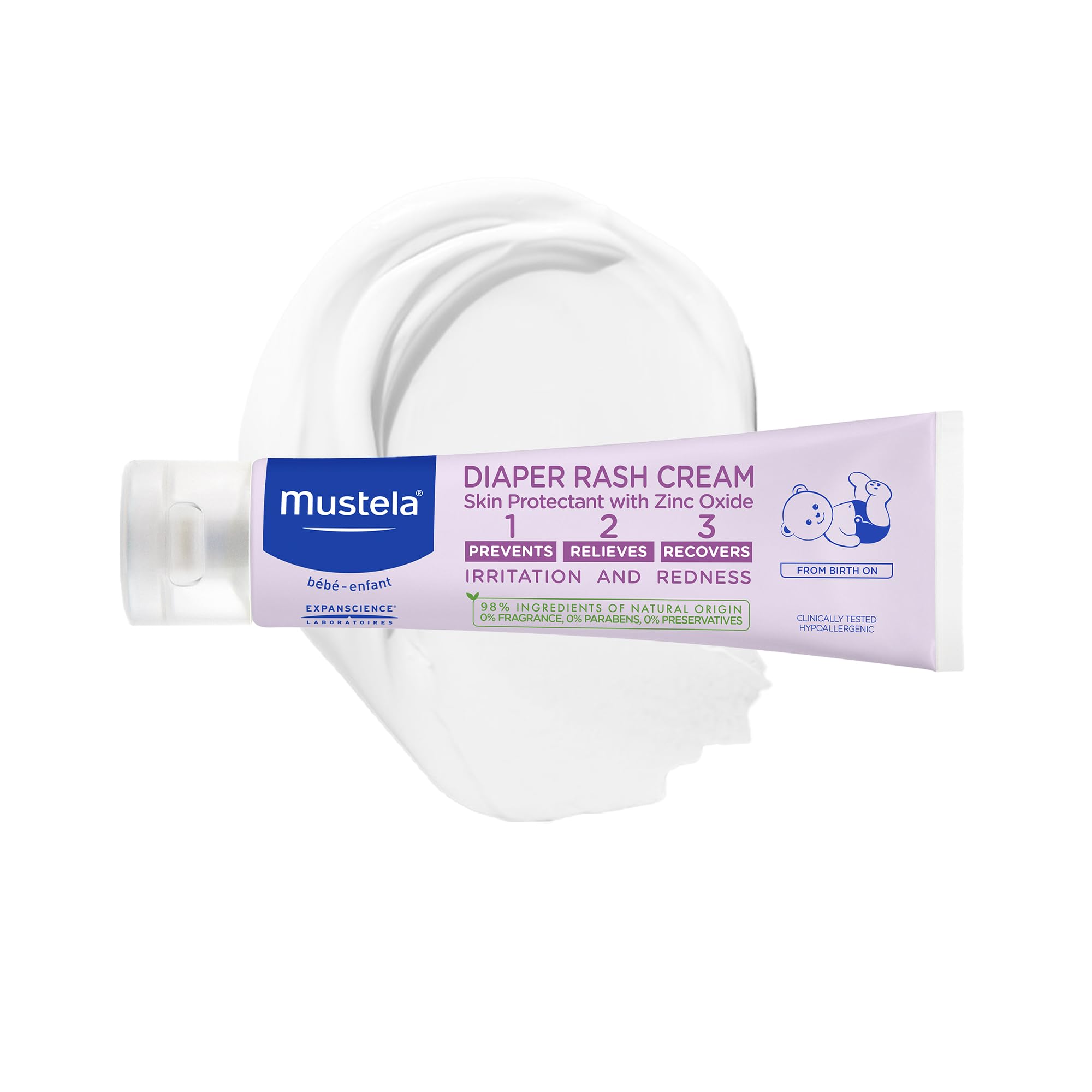
Choose a diaper cream with zinc oxide as the active ingredient. Mustela Baby Diaper Rash Cream 123 creates a breathable barrier that shields skin from moisture while allowing it to heal. Clinical testing shows an 80% reduction in redness from the first use.
3. Change Diapers Frequently
Check every two to three hours and change immediately after bowel movements. Prolonged exposure to wetness is the main cause of irritation.
4. Let Skin Breathe
Allow a few minutes of diaper-free time after each change. Air exposure speeds healing.
5. Reapply at Every Change
Apply a thick layer of cream at each diaper change to maintain protection. The formula is made with 98% natural ingredients and is fragrance-free and paraben-free, making it safe for everyday use.
What to Check Before Buying Diaper Cream
- Zinc oxide content: Look for at least 10% for effective protection
- Fragrance-free: Synthetic scents can worsen irritation
- Dermatologist approval: Choose products tested on sensitive skin
- Consistency: Thick creams provide better barriers than thin lotions
- Natural ingredients: Avoid harsh chemicals and parabens
When to See a Doctor
Most diaper rash clears within three days. Contact your pediatrician if the rash spreads, develops blisters, or doesn't improve after a week of treatment.
Related Buying Guides
- Zinc Oxide in Diaper Cream: How It Protects Your Baby's Skin
- Mustela Baby Diaper Rash Cream 123: Your Diaper Rash Questions Answered
- How to Treat and Prevent Diaper Rash: A Simple Care Routine
- How to Prevent and Treat Diaper Rash: A Simple Care Routine
- How to Treat and Prevent Diaper Rash with Zinc Oxide Cream
- How to Protect Your Baby's Skin from Diaper Rash with Zinc Oxide Cream